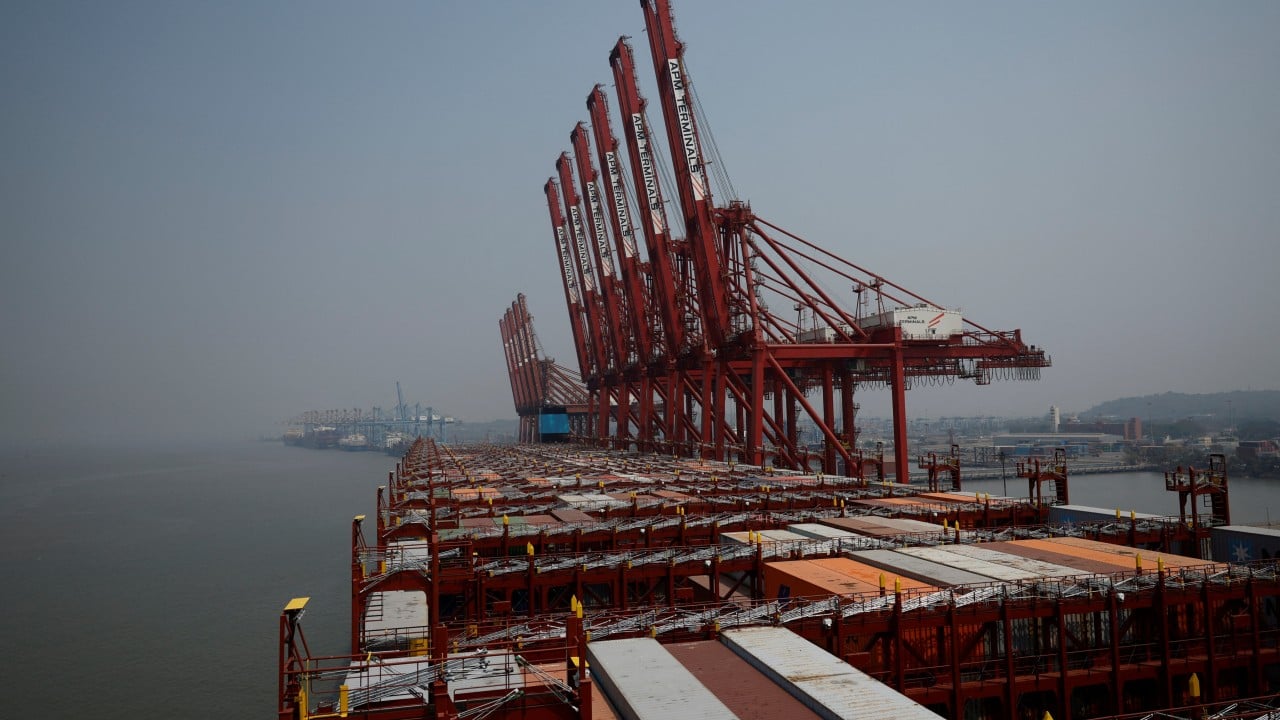
Everyone loves a good "breakdown in relations" narrative. Watch the news right now, and you'll see a dozen commentators talking about how India and the United States are on the brink of an economic cold war. They look at the recent headlines—three Indian sailors killed in the Gulf of Oman during a US blockade enforcement, the nasty public spat over who actually stopped the India-Pakistan military clashes last year, and Donald Trump’s aggressive new tariff threats—and they assume the relationship is fracturing.
They're misreading the room.
What we're seeing right now in New Delhi isn't a collapse. It’s classic, high-stakes, ugly last-mile bargaining. US Trade Representative Jamieson Greer just landed in India to sit down with Commerce Minister Piyush Goyal. They aren't there to walk away; they're there to rewrite a massive bilateral trade agreement (BTA) that got upended by American courts earlier this year.
If you want to understand where this is actually going, you have to ignore the political theater and look at the hard mathematical reality driving both sides.
The Supreme Court Mess That Ruined the February Deal
To understand why Greer is in New Delhi right now, we have to look back to February. The two countries actually had an interim deal ready to go. Under that original framework, India was going to get a massive break on US tariffs, dropping them from a punishing 50% down to 18%. In exchange, New Delhi promised to slash or completely eliminate tariffs on US industrial goods and a massive list of American agricultural exports like dried distillers' grains, tree nuts, and fresh fruit. Even better for Washington, India pledged to buy $500 billion worth of US energy, aircraft, and technology over five years.
Then the US Supreme Court stepped in.
The court struck down the legal mechanism behind Trump’s reciprocal tariffs. Suddenly, the legal ground shifted beneath the negotiators' feet. Because the US could no longer deliver the exact tariff structure promised in February, India triggered a clause in the joint statement allowing them to modify their own commitments.
That’s why they’re back at the table today. The clock is ticking loudly because Washington’s temporary 10% tariff on global trading partners expires on July 24. New Delhi wants its preferential tariff treatment locked in before that deadline, and Washington wants that $500 billion energy and procurement windfall.
The Friction Is Real But Tactical
It’s easy to look at the recent Section 301 investigations launched by the USTR—which target India over forced labor concerns in supply chains and industrial overcapacity—and think the US is just bullying a partner. On June 3, the US even proposed an additional 12.5% tariff on Indian imports under these exact investigations.
Add to that the tragic military action in West Asia where the US Central Command disabled commercial vessels like the MT Jalveer to enforce an Iranian blockade, resulting in the deaths of Indian crew members, and you have a recipe for a diplomatic meltdown. External Affairs Minister S. Jaishankar didn't pull any punches when expressing New Delhi's anger to US Secretary of State Marco Rubio.
But notice what happened right after that friction peaked. Modi and Trump met face-to-face at the G7 summit in France. Trump publicly called Modi a friend but noted he is "as tough as a killer" in negotiations.
That isn't an insult in Trump's vocabulary; it’s an admission of respect for a hard bargainer. The US wants to pull India away from Russian oil and secure massive purchasing agreements. India wants to preserve its export edge over ASEAN competitors who are hungry to steal market share. They need each other too much to let tactical posturing ruin the strategic prize.
What Negotiators Are Actually Fixing Right Now
Behind closed doors at Vanijya Bhawan, the conversation isn't about geopolitics; it's about shifting numbers to survive legal challenges.
- Recalibrating the Tariff Match: Since the US Supreme Court limited the executive branch's ability to arbitrarily slash or raise certain tariffs, Greer and Goyal are building a workaround that achieves the same net economic benefit without triggering more US domestic lawsuits.
- The Energy Leverage: India's $500 billion purchasing commitment is the ultimate carrot. Expect New Delhi to use this volume to force concessions on the H1B visa fee hikes and the recent Section 301 forced-labor listings.
- The Supply Chain Pivot: Washington knows it cannot isolate Chinese supply chains without India acting as the primary manufacturing alternative. This reality gives Indian negotiators immense leverage to resist the proposed 12.5% penalty tariffs.
Don't buy into the panic. The public posturing, the threats of extra tariffs, and the aggressive rhetoric are part of the price of admission for a trade deal of this scale. Both sides are trying to squeeze out the last drop of advantage before the July 24 deadline hits.
To protect your business from the upcoming policy shifts, you need to audit your US-India supply chain exposure before mid-July, calculate how an 18% settled tariff rate alters your margin versus the current temporary 10% regime, and prepare for a sudden influx of US agricultural and energy products into the Indian domestic market. The deal is coming; it's just going to be a bumpy ride until the ink dries.