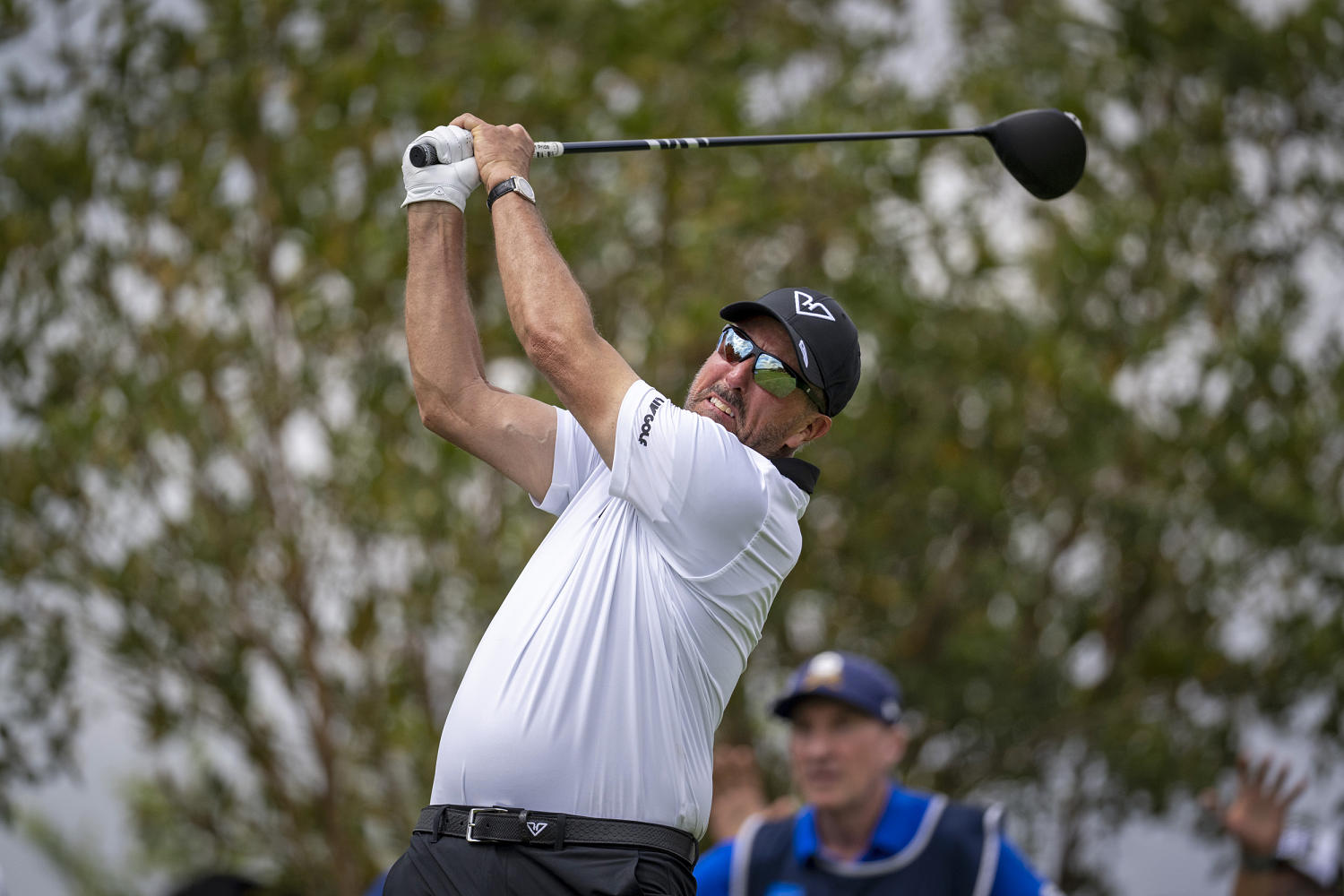
LIV Golf is shutting down, and honestly, the biggest surprise isn't the end itself—it's how fast the whole thing unraveled once the blank checks stopped clearing.
After four years of burning through more than $5 billion, Saudi Arabia's Public Investment Fund (PIF) decided in April 2026 to stop funding the circuit beyond the 2026 season. Without PIF acting as a bottomless ATM, the league tried to pivot toward a leaner player-equity model dubbed LIV 2.0, chased outside capital, and eventually filed for bankruptcy protection in September. When a proposed restructuring deal with BC Partners fell apart and star names like Jon Rahm and Tyrrell Hatton walked away from the reboot, LIV Golf announced on November 5, 2026, that it would wind down operations, with a court hearing set for January 7, 2027.
If you've been following golf media, you've probably seen plenty of hot takes declaring this a triumph of tradition over oil money. That's a lazy read. Watching pro golf up close over the past few years makes one thing painfully clear: LIV didn't fail just because fans disliked 54-hole shotgun starts. It failed because buying talent at astronomical prices isn't the same as building a self-sustaining sports business.
Why LIV Golf Plans to Shut Down Caught So Many Fans Off Guard
For months, social media feeds ping-ponged between "LIV is dead" and "LIV just secured hundreds of millions in new backing". Even when PIF signaled its exit after the 2026 campaign, league leadership under CEO Scott O'Neil pushed to keep the lights on past August's season finale in Indianapolis.
There were real signs of life along the way. Broadcast viewership on Fox ticked up 12% year-over-year during the 2026 season, and certain international stops—like venues in the UK, Australia, and South Africa—drew lively crowds in markets where the PGA Tour doesn't always show up regularly. Yet a 12% bump off a modest base still leaves a league miles behind traditional golf broadcasts, and the economics never came close to pencil-pushing once guaranteed mega-contracts met reality.
The Player Equity Gamble That Stalled
Scott O'Neil spent months pitching a reworked LIV 2.0 structure that traded guaranteed, eye-watering payouts for equity stakes tied to league performance and visibility. On paper, giving players skin in the game sounds smart. In practice, asking golfers who signed up for guaranteed money to bet their own financial future on an unproven, cash-strapped business was a tough sell.
Once key players like Jon Rahm made clear they weren't committing to the reboot and investor support fell short, the runway vanished. As Guardian columnist Jonathan Liew pointed out in November 2026, spending massive sums to sign top players isn't particularly clever when you have unlimited capital—the hard part is making people care week after week when the novelty fades.
What Happens to Players, Contracts, and Golf's Civil War
A shutdown of this magnitude doesn't just erase a scoreboard. It leaves messy legal and career questions hanging over dozens of golfers, caddies, event staff, and broadcasters.
With LIV in bankruptcy proceedings and winding down, multi-year player contracts face serious scrutiny. Lawyers in bankruptcy court have already raised questions about whether remaining payments can be voided or altered since the league isn't moving forward as planned. Some stars are already looking elsewhere—Bryson DeChambeau has popped up on the DP World Tour, while others face uncertain paths back onto established circuits or qualifying schools.
Meanwhile, the long-teased reunification between LIV and the PGA Tour never materialized into a tidy grand bargain. Under PGA Tour CEO Brian Rolapp, the tour has focused on its own calendar adjustments and core product rather than treating a merger as inevitable. Rolapp has been blunt that the PGA Tour wants players who strengthen its product, not an automatic open door for everyone.
The Bigger Lesson for Sports Disruptors
Anyone who follows sports business has seen this movie before, just with different uniforms. A wealthy backer arrives with huge purses, poaches headlines, disrupts legacy institutions, and assumes audience loyalty will follow the stars.
Sometimes it works. Usually, audience habits in golf are stubborn. Golfers and fans care deeply about history, major championships, world ranking points, and week-to-week stakes that feel earned rather than subsidized. When LIV spent over $5 billion in four years without building enough recurring commercial revenue to stand on its own feet, the bill eventually came due.
Here's the mistake plenty of casual observers make right now: assuming the PGA Tour's problems are magically solved because its richest rival is folding. Traditional golf still faces real questions about pace, broadcast attention among younger viewers, and schedule clarity. LIV's collapse removes a massive financial disruptor, not the underlying pressure to make pro golf compelling.
Practical Next Steps for Fans, Players, and Watchers
If you're trying to make sense of the fallout rather than chasing rumors, focus on concrete developments over the coming weeks:
- Track the bankruptcy docket: Watch updates around the January 7, 2027 court hearing to see how asset sales, creditor claims, and contract disputes get sorted out.
- Follow official tour eligibility rules: If you follow specific players, check DP World Tour, PGA Tour, and major championship entry rules rather than assuming instant reinstatement.
- Watch schedule and broadcast shifts: Keep an eye on how PGA Tour and DP World Tour calendars adjust now that one major competing tour is exiting the picture.