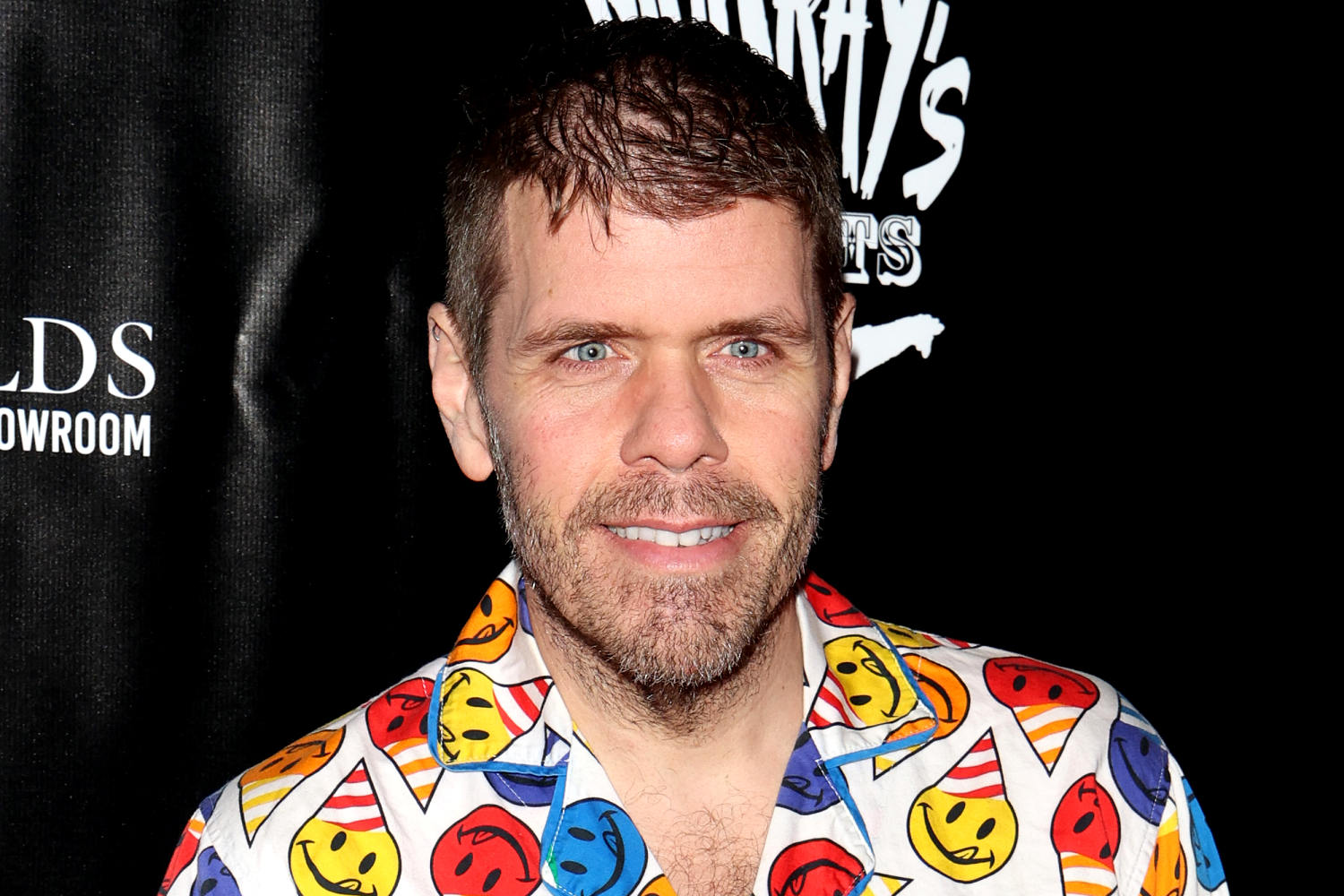
Celebrity gossip culture has a long, dark history of eating its own creators, but few incidents have played out as horrifyingly in real-time as the recent crisis involving Perez Hilton. Following a distressing TikTok livestream from his Miami home that triggered an emergency response from the Miami-Dade Sheriff's Office, the 48-year-old blogger has been hospitalized under Florida's Baker Act. Official updates from his management and family confirm that he suffered significant blood loss and sustained severe injuries requiring upcoming surgery, setting the stage for an extensive recovery process.
The internet reacted with a predictable mix of shock, ghoulish curiosity, and finger-pointing at social media moderation failures. Yet, beneath the viral headlines and the immediate outrage directed at TikTok, a much heavier and more personal reality is being ignored. Public figures facing acute mental health emergencies are rarely afforded the grace of privacy while they fight for their lives. You might also find this related article interesting: Why Jorge Messi Mattered More Than Just Being Lionel's Dad.
Understanding the Reality Behind the Headlines
When emergency dispatch audio and frantic viewer reports flooded social media, misinformation spread faster than verified facts. Rumors ranged from exaggerated hostage scenarios to dramatic tactical operations, obscuring the actual medical emergency unfolding behind closed doors. Local authorities ultimately confirmed that deputies arrived at the residence, evaluated the scene alongside family members, and coordinated with Miami-Dade Fire Rescue to transport Hilton safely to a local medical facility.
His team has since clarified that his communication remains strictly limited to immediate health care providers and close family members, including his mother and sister. His three children, welcomed via surrogacy, were safely distanced from the immediate trauma, remaining under the care of relatives. As highlighted in detailed coverage by Associated Press, the implications are widespread.
This incident didn't happen in a vacuum. Earlier this year, Hilton documented a harrowing sequence of physical health battles, including a three-week hospital stay due to severe sepsis, a perforated ulcer from taking medication on an empty stomach, and emergency surgery for a massive deep vein thrombosis blood clot. While it is irresponsible to draw a straight line between past medical trauma and a sudden mental health crisis, the cumulative toll of chronic stress, public scrutiny, and severe health scares creates a heavy burden for anyone in the public eye.
The Broader Failures of Livestream Moderation
The incident has rightfully reignited intense scrutiny over how digital platforms police live broadcasts. TikTok acknowledged that automated systems flagged the content, but a subsequent moderator error delayed the crucial takedown of the stream. For thousands of viewers, a deeply painful human moment was instantly transformed into viral content, consumed and shared before safety protocols could catch up.
Digital platforms profit off real-time engagement, yet their safety infrastructure routinely lags behind the raw unpredictability of human distress. When a broadcast featuring explicit self-harm remains accessible even for a few minutes, the psychological impact on unsuspecting viewers—and the violation of dignity for the individual involved—is severe. Critics have pointed out that rapid-response human moderation for high-risk accounts is still vastly underfunded across major apps, leaving automated systems to fail at the worst possible moments.
Navigating the Path Forward
Recovery from severe physical injuries and acute mental health distress is never quick or linear. Hilton's representatives have emphasized that his treatment plan involves intensive medical care and a prolonged healing journey. For those watching from the outside, the best response is simple restraint. Refusing to hunt for leaked clips, resisting the urge to speculate on private medical details, and respecting the boundaries requested by his family are baseline requirements of basic human decency.
If you or someone you know is struggling with mental health crises, distress, or thoughts of self-harm, help is available. You can reach the Suicide & Crisis Lifeline by calling or texting 988, or contact emergency services immediately. Real support saves lives, and privacy during recovery remains essential.