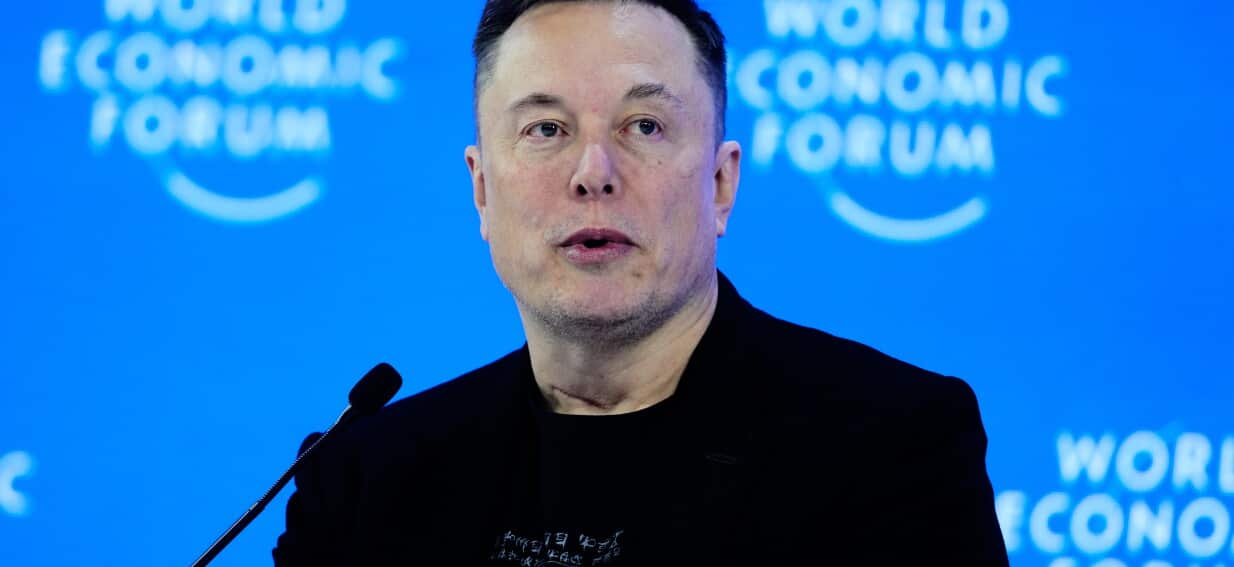
The Department of Justice just closed its eight-month investigation into the massive $111 billion Paramount Skydance takeover of Warner Bros Discovery, and the verdict is making waves across the entertainment world. Regulators officially declared that this historic combination is not likely to harm competition or American consumers. If you think this means Hollywood is simply shrinking into a boring monopoly, you're missing the bigger picture.
The immediate reaction from critics and industry creatives was swift, predictable, and full of dread. Senator Elizabeth Warren slammed the decision, calling it terrible news for everyone who doesn't want billionaire-controlled media dominating their screens. Hollywood labor unions are terrified of job losses. But the antitrust division sees something entirely different. They argue that bringing these two legacy giants together actually injects needed heat into a market currently dominated by tech behemoths.
Why the Paramount Warner Bros Merger Actually Keeps Streaming Alive
Let's look at the actual reality of your monthly streaming bill. Right now, Netflix sits comfortably on top of the hill. They even tried to buy Warner Bros Discovery themselves before David Ellison's Paramount Skydance swooped in with an all-cash offer in February.
If Netflix had won that battle, competition would have truly suffered. Instead, the DOJ analyzed over two million documents from eighty different sources and realized that combining the Max and Paramount+ libraries creates a genuine heavyweight competitor.
By pooling their resources, this new mega-entity can build a platform that actually forces Netflix, Disney, and Apple to keep their prices honest and their content sharp. The antitrust division explicitly noted that the combined firm gives users a much stronger alternative to the absolute largest platforms. It turns out that to fight monopolies in the modern media landscape, you need massive scale.
The Secret Fight for Live Programming
Traditional cable might feel like a dinosaur, but live sports and news are keeping it on life support. The investigation looked deeply at whether combining CBS and CNN under one roof would destroy options for viewers.
The data says otherwise. Tech companies are bidding billions for premier sports rights, shifting live games to digital spaces. Because YouTube, Amazon, and TikTok are aggressively fighting for eye-balls every single second, legacy networks have no choice but to consolidate just to survive the bidding wars. The government realized that stopping this deal wouldn't save traditional TV, it would just accelerate its death at the hands of Big Tech.
The Big Movie Studio Lie
The loudest complaints about the Paramount Warner Bros merger claim that movie theaters will suffer because there will be fewer films made. It sounds logical on paper. Fewer studios should mean fewer movies, right?
The historical evidence shows that this assumption is flat-out wrong. Look at what happened when Disney bought Fox back in 2019. Critics predicted the end of cinema, yet overall industry spending on content skyrocketed in the years that followed.
- Standalone Operations: David Ellison has committed to keeping Paramount Pictures and Warner Bros. running as separate, distinct movie studio operations.
- Theatrical Commitments: The new leadership vowed to release a combined minimum of thirty movies per year in theaters.
- Rising Indie Power: Traditional studios don't hold a monopoly on culture anymore. Outfits like A24, alongside massive investments from Apple, mean moviegoers have more diverse options than they did a decade ago.
The DOJ explicitly found that since this transaction was first announced, theatrical production across the board has actually gone up, not down.
The Political Drama and Foreign Money in the Background
You can't talk about a hundred-billion-dollar media deal without talking about politics and money. David Ellison's father, Larry Ellison, is a well-known billionaire supporter of Donald Trump. When Trump openly praised the merger, stating it would fix perceived political bias at CNN, eyebrows shot up across Washington.
Then came the revelations about who is funding this massive buyout. Democratic senators quickly raised the alarm when filings revealed sovereign wealth funds from Saudi Arabia, Qatar, and Abu Dhabi are backing the deal, alongside rumors of involvement from China's Tencent.
[Foreign Sovereign Wealth Funds] ---> (Non-Voting Equity Debt) ---> [Paramount Skydance WBD]
To get around immediate regulatory red flags, Paramount structured these investments as non-voting equity. This means these foreign funds own a piece of the financial action but have zero say in the editorial decisions of CBS News or CNN. The Federal Communications Commission is still digging into this debt structure, proving that while the antitrust hurdle is cleared, the corporate clean-up is far from over.
The Battle Isn't Over Yet
Do not mistake this DOJ clearance for a completely done deal. While the federal government is stepping aside, regional and international players are still sharpening their knives.
California Attorney General Rob Bonta confirmed his office is actively continuing its independent investigation into how this merger impacts local workers and the creative economy in Los Angeles. New York is also exploring legal avenues to halt the transaction. Across the Atlantic, the European Commission has set a crucial review deadline for July 7, while the UK's Competition and Markets Authority plans to issue its initial decision by early August.
The clock is ticking loud and clear. If Paramount doesn't manage to fully close this deal by September 30, they have to pay out a 25-cent per share "ticking fee" to shareholders every single quarter it drags on. Even worse, walking away now carries a massive $7 billion regulatory termination penalty.
If you own stock in these companies or just care about your streaming subscriptions, keep a close watch on state attorneys general over the next thirty days. Their moves will determine whether your Max and Paramount+ apps fuse together before the holidays or get tied up in courtrooms for the rest of the year.