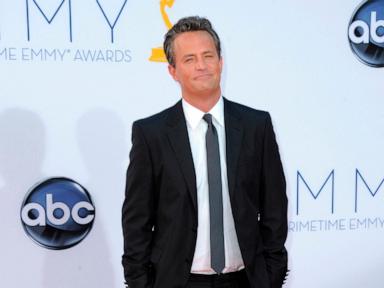
Matthew Perry's death wasn't just a tragic accident in a hot tub. It was the result of a "broad underground criminal network" that preyed on a man who'd spent his life being honest about his struggle with addiction. When the news broke in October 2023, the world was devastated. But as the federal investigation wrapped up by May 2026, the details became much darker than a simple overdose.
Five people were eventually cornered by federal prosecutors. These weren't just street-corner pushers. We’re talking about doctors who took an oath to do no harm, a "Ketamine Queen" living a jet-set lifestyle, and the very assistant Perry trusted with his daily life. They didn't just provide drugs; they exploited a vulnerable person for profit.
The Ketamine Queen and the Hollywood Connection
Jasveen Sangha, known to federal authorities as the Ketamine Queen, was the primary source of the vials that killed Perry. She wasn't some back-alley dealer. Sangha operated out of a North Hollywood "stash house" and used her drug proceeds to fund a lifestyle of luxury travel to places like Tokyo and Dubai.
In April 2026, Sangha was sentenced to 15 years in federal prison. It's the longest sentence of the group. Why so harsh? Because the prosecution proved she knew her product was lethal. In 2019, another customer, Cody McLaury, died after buying ketamine from her. She didn't stop. She just kept selling.
Sangha sold 50 vials of ketamine to Perry’s associates in the weeks leading up to his death. On the day he died, she provided the dose that finally stopped his heart. She stood in court and claimed she wore her shame "like a jacket," but the judge wasn't buying the sudden remorse.
The Doctors Who Broke Their Oaths
The most disturbing part of this case involves the medical professionals. Dr. Salvador Plasencia and Dr. Mark Chavez didn't see a patient in need; they saw a "moron" with a big bank account. That’s not my word—that’s what Plasencia literally texted to Chavez when they started their scheme.
- Dr. Salvador Plasencia (aka Dr. P): This L.A. doctor was sentenced to 2.5 years in prison. He injected Perry in a parked car and even watched as the actor "froze up" and his blood pressure spiked during one session. Instead of stopping, he left more vials behind for an untrained assistant to administer.
- Dr. Mark Chavez: He operated a ketamine clinic in San Diego and diverted the drugs by writing fraudulent prescriptions and lying to wholesale distributors. He was sentenced to eight months of home confinement. He lost his medical license, which honestly, is the bare minimum.
These men weren't practicing medicine. They were selling vials that cost them $12 for $2,000. It was pure, unadulterated greed.
The Assistant and the Middleman
The people closest to Perry were the ones who physically handed him the drugs. Kenneth Iwamasa was Perry’s live-in personal assistant for years. He’s the one who found him face-down in the water.
Iwamasa had no medical training. Yet, under the direction of Dr. Plasencia, he injected Perry with ketamine multiple times a day. On the actor's final day, Iwamasa gave him three separate injections. The last request Perry ever made was reportedly, "Shoot me up with a big one." Iwamasa pleaded guilty to conspiracy to distribute ketamine causing death and is the final defendant awaiting sentencing in late May 2026.
Then there’s Erik Fleming. He was the "middleman." A former producer and drug counselor who had relapsed, Fleming coordinated the deals between Sangha and Iwamasa. He delivered the final 25 vials of ketamine to Perry’s house. He was sentenced in May 2026 to 2.5 years in prison.
Why This Case Changed Everything
This wasn't a "victimless" drug crime. It exposed how easily the wealthy can bypass the medical system when they have enough cash. Perry was already receiving legal ketamine therapy for depression, but when his legitimate doctors refused to increase his dosage, these five people stepped in to fill the gap.
They used encrypted messaging apps like Signal to hide their tracks. They used code words. They tried to delete evidence the moment the news of Perry's death hit the wire. But the Feds used their own texts against them.
The takeaway here isn't just about a celebrity. It’s about the terrifying reality of the "ketamine-on-demand" market. If you’re following this story, the best thing you can do is stay informed about the risks of off-label drug use and the importance of regulated medical supervision. Don't let the headlines distract from the fact that Perry was a human being let down by everyone around him.
If you or someone you know is struggling with substance use, reach out to the SAMHSA National Helpline at 1-800-662-4357. There are people who actually want to help, not just profit from your pain.


