A ceasefire in the Middle East doesn't mean the bombing stops. It just changes the math.
When the United States brokered a high-profile truce that took effect on April 17, 2026, the international community breathed a sigh of relief. The headlines promised a halt to the brutal war that erupted on March 2. But on the ground in southern Lebanon, the reality looks completely different.
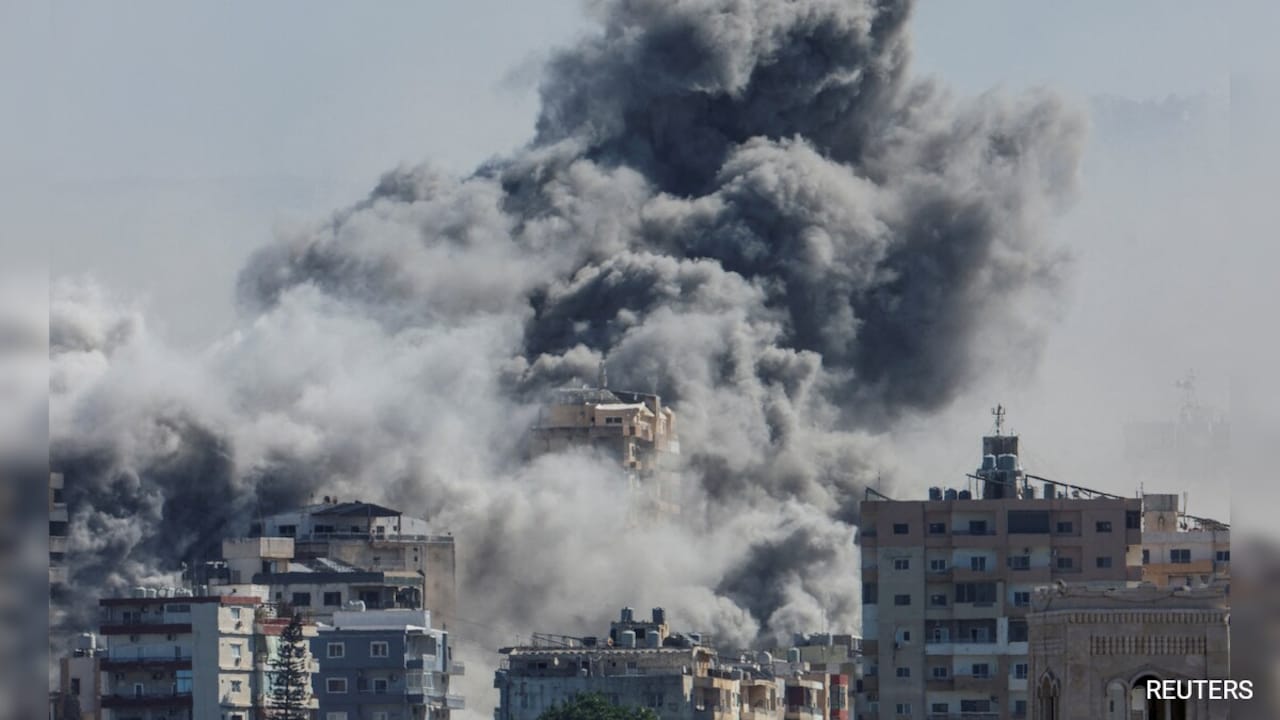
Lebanese Prime Minister Nawaf Salam recently dropped a staggering data point that exposes how hollow this truce really is. Between April 17 and June 7, 2026, Israel carried out 3,491 airstrikes on Lebanese territory. That isn't a minor glitch or a handful of isolated border scuffles. It is a relentless, sustained air campaign masquerading as a diplomatic success.
If you think a ceasefire means peace, you're missing the grim mechanics of how modern regional conflicts actually operate.
The Shocking Anatomy of a Silent War
Most people assume a truce freezes military operations. In reality, the April agreement merely shifted the geography of the destruction. While the deal successfully quieted the skies over Beirut and its immediate suburbs, it effectively abandoned the southernmost strip of Lebanon to non-stop bombardment.
The numbers released by the Lebanese cabinet detail a systematic dismantling of border infrastructure. Alongside the 3,491 airstrikes, the Israeli military executed 407 controlled demolitions and six massive "razing" operations.
Israeli Military Actions in Lebanon (April 17 – June 7, 2026)
-----------------------------------------------------------
Airstrikes: 3,491
Controlled Demolitions: 407
Razing Operations: 6
These aren't just tactical strikes on isolated bunkers. Entire border villages have been completely flattened, turned into empty buffers of dust and concrete. The physical landscape of southern Lebanon is being rewritten while diplomats in Washington talk about progress.
Why the Bombing Continues Under a Truce
You have to look at how the agreement was written to understand why this is happening. Israel argues that the terms of the ceasefire don't strip away its right to act against immediate threats. From the Israeli military perspective, every single one of those 3,491 strikes targeted active Hezbollah infrastructure, weapon caches, or fighters moving suspiciously near their front lines.
Just days ago, an Israeli strike hit a vehicle traveling between Nabatiyeh and Marjayoun, killing a Lebanese military brigadier general, a captain, and another soldier. Israel stated the vehicle was moving suspiciously toward its troops and reiterated that its fight is with Hezbollah, not the official Lebanese army. But for Lebanon, losing high-ranking sovereign military officers during an active ceasefire proves the deal is structurally broken.
Hezbollah hasn't played the part of the passive observer either. The group has repeatedly rejected U.S.-mediated talks meant to turn the temporary truce into a permanent arrangement. They've kept up intermittent rocket fire into northern Israel, which gives Israel all the justification it needs to keep sending fighter jets and drones across the border. It's a toxic loop. Hezbollah fires to show defiance, Israel retaliates with overwhelming force, and the civilian population pays the price.
The Human Toll Nobody is Talking About
The geopolitical chess match completely obscures the humanitarian disaster building in the background. Since the war started back in March, more than 3,613 people have been killed in Lebanon. The displacement crisis is breaking the country's back.
Over 1 million people have been forced to flee their homes. Think about that for a second. That is one-fifth of Lebanon's entire population turned into refugees inside their own borders.
Local governments and volunteer networks are completely overwhelmed. Prime Minister Salam pointed out that the constant back-and-forth strikes between Israel and Iran have triggered fresh waves of internal displacement. Families who fled the south to find safety in central towns are being forced to move again as the conflict radius expands. Schools, public parks, and temporary shelters are bursting at the seams, and the local economy simply doesn't have the resources to sustain them.
The Bigger Shadow Play Involving Iran and Trump
You can't look at Lebanon in a vacuum. This entire conflict is tied directly to the broader, direct shadow war between Israel and Iran. This specific phase of the war was sparked after the U.S. and Israel targeted a top Iranian leader in Tehran on February 28, prompting Hezbollah to rain rockets on northern Israel in early March.
Right now, U.S. President Donald Trump is pushing hard for an immediate, comprehensive ceasefire between Israel and Iran. Trump recently made waves by stating that ceasefires in the region often involve "shooting in a more moderate manner" rather than an absolute, immediate end to all hostilities. It's a cynical take, but honestly, it's a terrifyingly accurate description of what's happening on the ground.
Iran has stated it will pause operations against Israel, but only if attacks on Lebanon stop. Meanwhile, Israel refuses to pull its ground troops out of southern Lebanon—where they currently occupy roughly a fifth of the territory—until Hezbollah is entirely pushed back past the Litani River. Lebanon is trapped in the middle, used as a tragic bargaining chip for larger regional powers trying to score leverage at the negotiating table.
What Needs to Change Right Now
If international observers keep treating the April 17 agreement as a real ceasefire, nothing changes. A truce that allows 3,491 airstrikes in less than two months isn't peace; it's just a managed conflict.
To fix this, international monitoring teams like UNIFIL need the authority to actually enforce violations on both sides, rather than just logging them in reports. Western powers must tie diplomatic support to actual adherence to the spirit of the truce, meaning an end to controlled demolitions of civilian villages and a hard stop to rocket provocations. Until the diplomatic community stops accepting "moderate shooting" as an acceptable baseline, the people of southern Lebanon will continue living under a sky filled with drones and falling bombs.