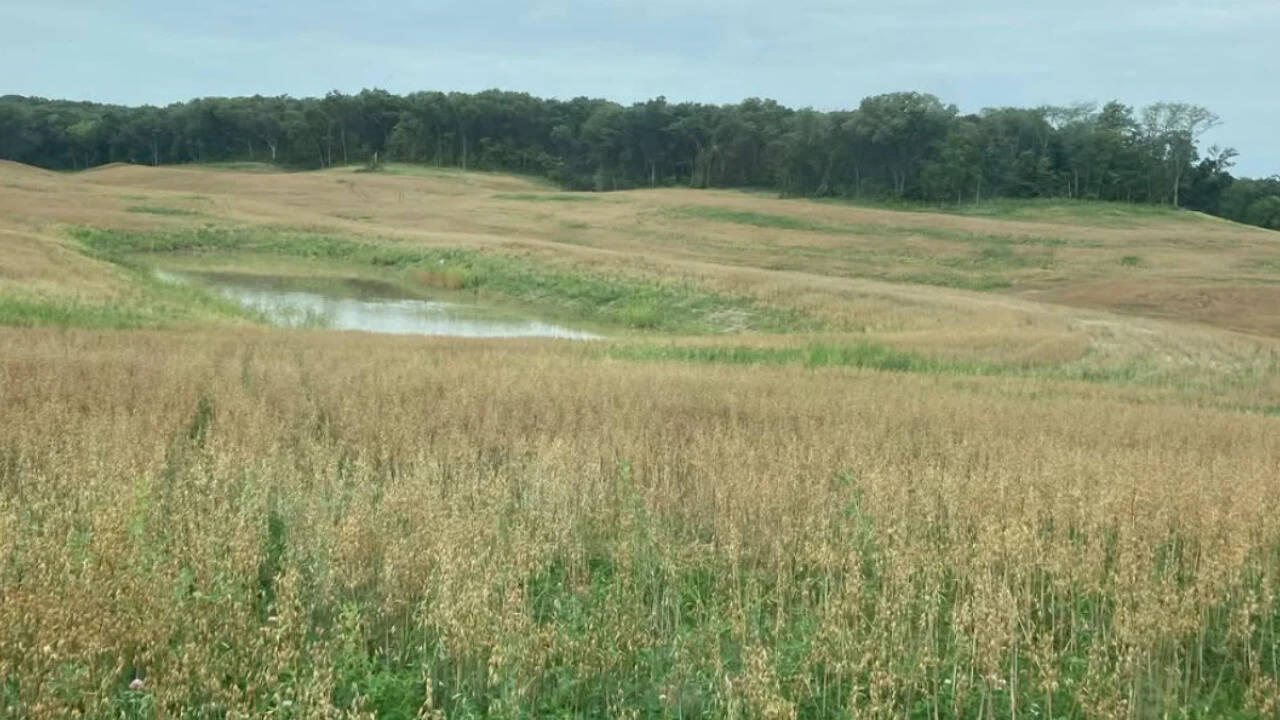
Mention coal mining and your brain probably jumps straight to West Virginia, Kentucky, or Wyoming. You almost certainly don't picture cornfields outside Des Moines or rolling pastures in southern Iowa. Yet Iowa sits on top of thousands of abandoned coal mines dug out between the mid-1800s and the 1970s, and the state just launched a $4.9 million project to reclaim another 150 acres of those scarred lands.
It sounds like a routine bureaucratic press release. It isn't.
When state officials announced this latest push alongside a milestone figure—7,195 acres restored across Iowa so far—they highlighted one of the longest-running, least-understood environmental cleanups in the Midwest. If you own rural acreage in southern or central Iowa, or if you care about where federal energy fees actually go, this work affects your water, your property value, and sometimes even the ground right under your tractor.
The Invisible Scars Under Iowa Farmland
People tend to think of mining damage as something you can spot from a highway—giant open pits or towering piles of black rock. Sometimes that's true in Iowa, especially where strip mining tore up Marion, Mahaska, Monroe, and Appanoose counties in the twentieth century. More often, though, the problem hides just beneath the topsoil.
Early miners dug shallow underground room-and-pillar mines, pulled out the coal seams, and walked away when the veins thinned out or cheaper fuel arrived. Nobody drew accurate maps. Nobody filled the tunnels back in. Over decades, wooden support timbers rotted, overlying shale collapsed, and sinkholes began opening up in pastures, gravel roads, and cornfields.
I've walked reclaimed sites in southern Iowa where a landowner thought they just had a stubbornly wet corner in a hayfield. Turn out, rain was pooling in a subsidence depression caused by a 1910 mine shaft collapsing sixty feet below. Worse than the sunken ground is what happens chemically when buried rock meets air and water.
Iowa coal carries high levels of iron sulfide, commonly known as pyrite. Leave it undisturbed underground and it sits quietly. Expose it to oxygen and rainwater through open shafts or abandoned spoil piles, and you get sulfuric acid. That runoff—acid mine drainage—strips oxygen from creeks, turns streambeds bright orange with iron hydroxide, and leaves soil so acidic that even tough prairie grasses refuse to sprout.
How Iowa Actually Spends $4.9 Million on 150 Acres
If you've never priced heavy civil earthmoving and environmental engineering, $4.9 million for 150 acres might raise an eyebrow. That works out to roughly $32,600 per acre—far more than prime Iowa farmland sells for on the open market.
Why does fixing old mine ground cost more than buying brand-new row-crop land? Because you aren't just pushing dirt around with a bulldozer.
Reclaiming abandoned mine lands (AML) requires specialized, sequence-heavy engineering:
- Subsurface stabilization and shaft sealing. Crews have to locate vertical air shafts and haulage slopes—often hidden by eighty years of brush—and plug them with engineered concrete caps or graded rock fills so livestock, wildlife, and curious kids don't vanish into a hundred-foot drop.
- Neutralizing toxic spoil piles. Acid-producing gob piles can't simply be graded flat and seeded. Contractors have to bury the worst pyritic material below the water table or cap it with compacted clay, then haul in massive quantities of agricultural lime to bring the soil pH back up from battery-acid territory.
- Rebuilding watersheds from scratch. Old strip mines destroyed natural drainage patterns. Engineers reshape highwalls into gentle slopes, build rock-lined waterways to slow storm runoff, and construct passive treatment wetlands that filter heavy metals before water leaves the property.
- Re-establishing deep-rooted vegetation. Once the earthwork passes inspection, crews seed native warm-season grasses and legumes that hold the newly graded slopes against Midwest cloudbursts.
Every site throws surprises at the contractor. You start excavating a collapsed entry and hit an unmapped underground water pocket, or discover that the acidic spoils run ten feet deeper than the core samples suggested. That's where contingency budgets go.
Where the Money Comes From (And What Taxpayers Actually Pay)
Here is a misconception that pops up every time a state announces a multi-million-dollar reclamation contract: people assume it comes straight out of state income or property taxes.
It doesn't.
Iowa's Abandoned Mine Land program, run through the Iowa Department of Agriculture and Land Stewardship (IDALS), operates primarily on federal grants funded by the Surface Mining Control and Reclamation Act of 1977 (SMCRA). Under that law, active coal operators across the United States pay a reclamation fee on every ton of coal they mine today. The federal Office of Surface Mining Reclamation and Enforcement (OSMRE) collects those fees and distributes them back to states with historic pre-1977 mining damage.
In 2021, the federal Bipartisan Infrastructure Law injected billions of new dollars into that AML fund and extended the fee collection authority, giving states like Iowa predictable multi-year funding instead of forcing them to scrape by on shrinking annual allotments. That's why Iowa can tackle larger, more expensive 150-acre project bundles right now instead of patching one dangerous sinkhole at a time.
The Numbers Behind Iowa's 7,195 Restored Acres
Context matters when you look at state environmental stats. Reclaiming 7,195 acres since the program began sounds substantial—that's more than eleven square miles of hazardous, barren ground turned back into functional pasture, wildlife habitat, and timber.
Still, let's be honest about the backlog.
According to federal abandoned mine inventory data, Iowa still has thousands of acres of documented high-priority coal hazards waiting in line. State regulators rank sites strictly by risk to human health and safety. Priority 1 and Priority 2 sites—open shafts near homes, collapsing ground under public roads, severe acid drainage polluting drinking water supplies—jump straight to the front of the queue. Aesthetic eyesores or minor erosion problems in remote woods sit at the bottom for decades.
There's also a catch that catches some rural landowners off guard. Reclaimed mine land rarely returns to 200-bushel-per-acre corn production. Even after heavy liming, topsoil replacement, and careful grading, compacted subsoils and altered hydrology mean most restored parcels work best as rotational grazing pasture, hay ground, or conservation habitat enrolled in programs like CRP. Expecting prize row-crop yields off a reclaimed strip mine sets you up for frustration.
What Happens If You Ignore Abandoned Mine Ground
Leaving these sites alone isn't neutral. Unreclaimed coal spoils actively degrade surrounding land every time it rains. Acidic runoff doesn't respect property lines; it moves down the draw into your neighbor's stock pond and eventually into major tributaries of the Des Moines and Chariton rivers. Meanwhile, underground voids continue to migrate upward toward the surface, meaning a pasture that looks fine today can develop a six-foot-deep sinkhole after a wet spring.
Practical Steps for Iowa Landowners and Residents
If you live in historic coal country—roughly a broad belt stretching from Webster and Boone counties south through Polk, Marion, Mahaska, Monroe, Wapello, Lucas, Wayne, and Appanoose counties—you don't have to guess what's under your boots.
- Check the historical mine maps before buying or building. The Iowa Geological Survey maintains digitized underground coal mine maps showing known shafts, tunnels, and surface disturbances. Pulling those records takes minutes and can save you from building a barn or machine shed over an unsealed mine entry.
- Watch for early warning signs on rural acreage. Circular depressions appearing after heavy rain, rusty orange sludge seeping out of hillsides, or bare patches where even weeds refuse to grow are classic markers of legacy mining impacts. Keep livestock and heavy equipment away from sudden ground slumps until you know what caused them.
- Report open shafts or sudden sinkholes immediately. If a hazardous mine opening or dangerous subsidence appears on your property, contact the Mines and Minerals Bureau at the Iowa Department of Agriculture and Land Stewardship. High-hazard emergencies can qualify for rapid stabilization funding at no direct construction cost to the landowner, provided you grant state contractors access to fix the site.
- Verify reclamation history during land transactions. If you're bidding on southern Iowa pasture or recreational timber that was previously reclaimed, ask for the completion records. Knowing where buried acid spoils or engineered drainage tiles sit helps you avoid digging a new pond or trench right through a clay cap that took engineers half a million dollars to seal.


