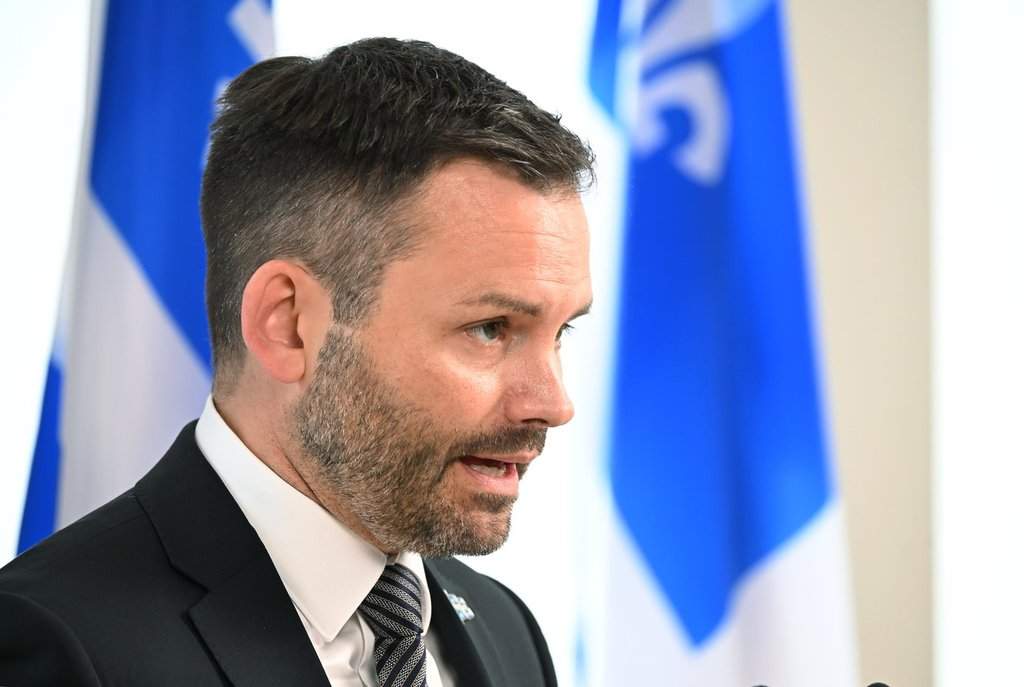
Winning an election is supposed to feel like the finish line. For Parti Québécois leader Paul St-Pierre Plamondon, it's actually just the starting gun for the next campaign.
Fresh off securing a minority government with 59 seats, St-Pierre Plamondon didn't spend his post-victory gathering popping champagne and planning a long vacation. Instead, he summoned all 127 of his party's candidates to a hotel in Drummondville with a blunt message: keep your boots on the ground because another election could materialize sooner than anyone thinks.
If you look at the math of Quebec's legislature, you immediately understand why he's nervous. The PQ sits five seats shy of a majority, facing a fragmented National Assembly where the Liberals hold 40 seats and the surging Conservative Party holds 19. Meanwhile, the Coalition Avenir Québec got completely obliterated, leaving a massive power vacuum in provincial politics. In a minority parliament, stability is basically an illusion. All it takes is one united opposition vote of non-confidence to send everyone right back to the polls.
The Reality of Governing on a Razor Edge
Minority governments in Canada rarely die of old age. They get assassinated by budget votes or unexpected scandals. St-Pierre Plamondon knows his caucus can't afford to get comfortable.
During the post-election debrief, the PQ leader extended a tentative olive branch to rival parties, stating he wants to govern collaboratively. But he followed it up with a heavy dose of realism. He noted that whether the opposition actually accepts cooperation is completely out of his hands. That lack of control means the party machine has to stay oiled and ready for action. You don't survive long in minority waters if your local riding associations dissolve the second the ballots are counted.
Political veterans understand this playbook. When you win with a record-low vote share for a governing party—clocking in around 28 percent—you don't have a massive mandate from the public to throw your weight around. You have a temporary lease on power.
What Went Right and Where the Vulnerabilities Lie
The PQ's path to victory wasn't uniform. While they swept regions like the Laurentians and Lanaudière, they completely struck out in the Quebec City area, failing to secure a single seat in the Capitale-Nationale. Defeated candidates pointed to specific policy choices, such as refusing to commit to a controversial third road link during the first term, as a major anchor dragging them down outside major urban centers.
These regional blind spots are precisely why the leadership is keeping the party apparatus fired up. If they can't crack regions like Quebec City or tighten their grip on competitive suburban ridings on Montreal's South Shore—where the Liberals picked up crucial narrow wins—a snap election could wipe out their gains just as fast as the CAQ vanished.
Preparing for the Long Haul
To bridge the gap between campaigning and actual governance, the incoming premier has even floated the idea of intense internal training, treating the transition almost like a crash course in political survival. Sweeping into power after years in the wilderness is thrilling, but managing legislative committees, court challenges over assembly oaths, and hostile opposition benches requires an entirely different skill set.
The message to the caucus is simple. Put away the victory banners and start tracking constituent issues tomorrow. In minority politics, the campaign never really stops; you just pause long enough to cast a vote.
PQ Leader Urges Party to Stay Ready After Minority Win
This short video clip captures Parti Québécois leader Paul St-Pierre Plamondon addressing his candidates and outlining the necessity of staying organized following their minority government victory.