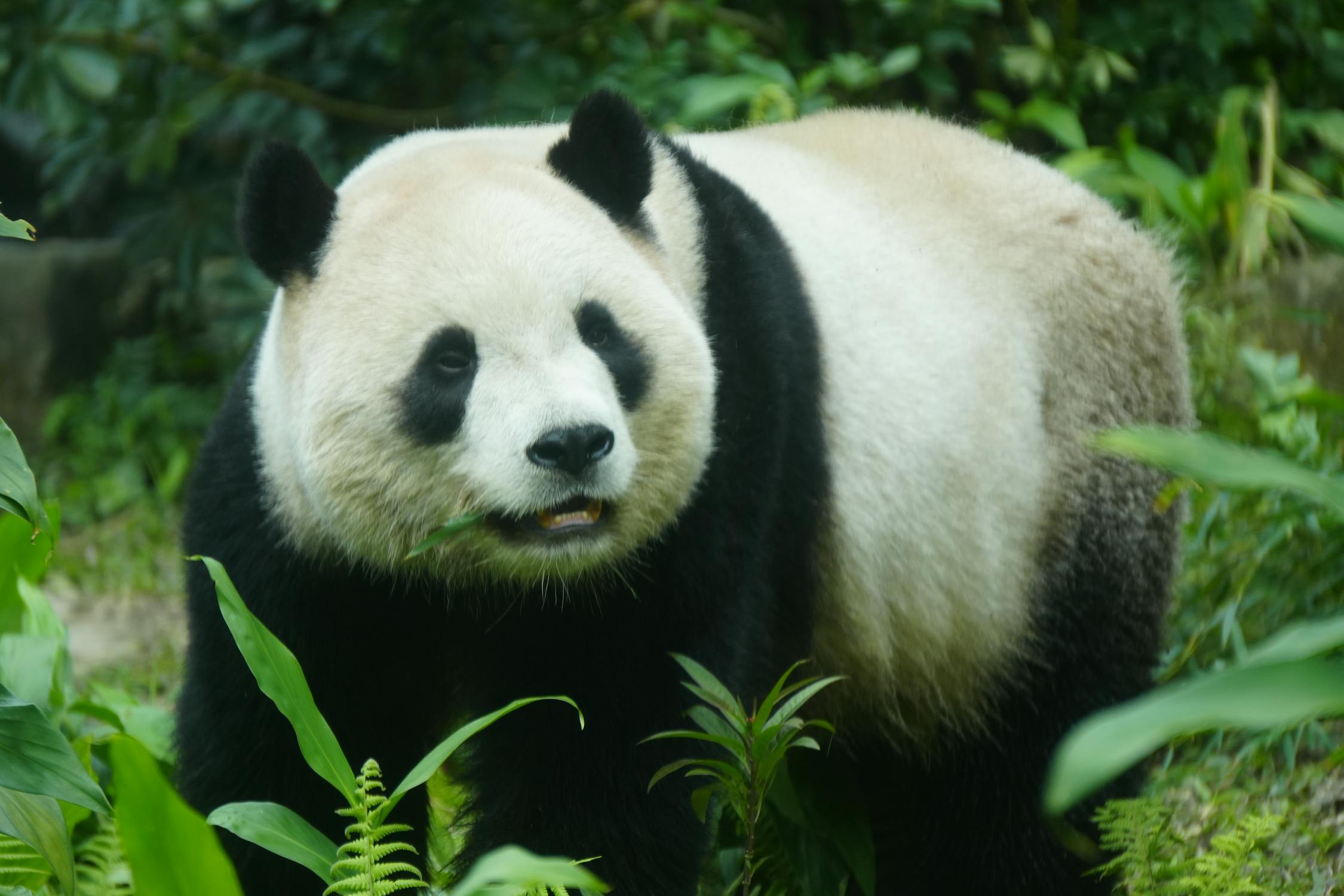
Governments love giving each other cute, fuzzy animals to mask multi-billion dollar trade disputes. We call it panda diplomacy, and for decades, international relations pundits have fawned over this warm-and-fuzzy soft power exercise. They point to a black-and-white bear munching on bamboo in a foreign enclosure as a triumph of cross-cultural communication.
It is nothing of the sort. It is an expensive, high-stakes distraction.
I have spent years watching trade delegations trade insults behind closed doors while public relations teams wheel out newborn cubs for front-page photo ops. The lazy consensus among foreign policy analysts is that animal exchanges soften bilateral tensions, build long-term goodwill, and pave the way for major economic treaties. That perspective is entirely backward. When geopolitical friction hits a boiling point, no amount of bamboo-chomping cuteness stops a tariff war or reverses a naval blockade.
Let us dismantle the mythology of animal diplomacy once and for all.
The Economics of a Marketing Stunt
To understand why panda diplomacy fails as actual foreign policy, look at the ledger. Renting a pair of giant pandas from the Chinese government is not an act of international friendship; it is a brutal commercial lease. Zoos pay roughly one million dollars a year in rental fees, plus an additional hundred thousand dollars for every cub born on foreign soil. And where does that money go? Straight back into conservation breeding programs managed by the state.
Businesses do not survive on goodwill. Trade agreements rely on supply chains, intellectual property protections, and regulatory alignment. When a nation shells out millions of dollars to house a notoriously picky eater that sleeps twelve hours a day, they are not securing geopolitical leverage. They are subsidizing an expensive PR campaign for the sending country.
Imagine a scenario where two corporate competitors are locked in an aggressive antitrust battle. One company sends a basket of golden retriever puppies to the CEO of the opposing firm. Does the acquisition get canceled? Do the patent lawsuits vanish? Of course not. Corporate boardrooms laugh off the stunt and get back to the spreadsheets. Yet when nation-states do the exact same thing with elephants, horses, and pandas, the media treats it like a masterclass in strategic negotiation.
The Myth of Public Goodwill
The core argument for animal diplomacy rests on public perception. Proponents claim that winning the hearts of everyday citizens creates pressure on foreign leaders to cooperate.
This assumes the public actually dictates foreign policy. History proves otherwise. Public sentiment shifts with every economic headline, yet political hardball continues regardless of how many people bought a plush toy at the national zoo gift shop. During periods of intense diplomatic strain, foreign zoos do not become bastions of peace; they become political hostage zones. Animals are routinely recalled or denied lease extensions the moment a foreign government steps out of line on trade or human rights.
That is not diplomacy. That is leverage disguised as zoology. If your foreign policy strategy can be undone by a flight manifest and a crate of bamboo shoots, you do not have a strategy. You have a PR budget.
What Real Soft Power Looks Like
Real soft power is built on institutional trust, technological dominance, and cultural export that people actually use. Look at how nations secure long-term influence in the twenty-first century. It happens through semiconductor manufacturing, open-source software ecosystems, entertainment industries, and educational exchanges that train the next generation of global engineers and leaders.
Soft power means foreign citizens voluntarily adopting your standards because they make their lives easier and more prosperous. It does not mean marveling at a rare mammal behind triple-paned safety glass while your trade deficit balloons.
When you rely on animal exchanges, you substitute systemic reform for theatrical performance. It is easier to lease a panda for ten years than it is to fix structural trade imbalances or negotiate complex security treaties. That is why bureaucrats love it. It looks active, it generates clicks, and it requires zero legislative courage.
The Downside of My Approach
Admitting that animal diplomacy is a fraud comes with a catch. If we strip away the theatrical distractions, international relations become much colder, more transactional, and far less photogenic. Without pandas to distract the evening news cycle, citizens would have to focus on dry, complicated metrics like tariffs, currency manipulation, and supply chain vulnerabilities.
That makes for terrible television. But it makes for functional governance.
Stop pretending that a zoo enclosure can mend a fractured geopolitical alliance. If your trade strategy depends on a bear eating bamboo, you have already lost.


