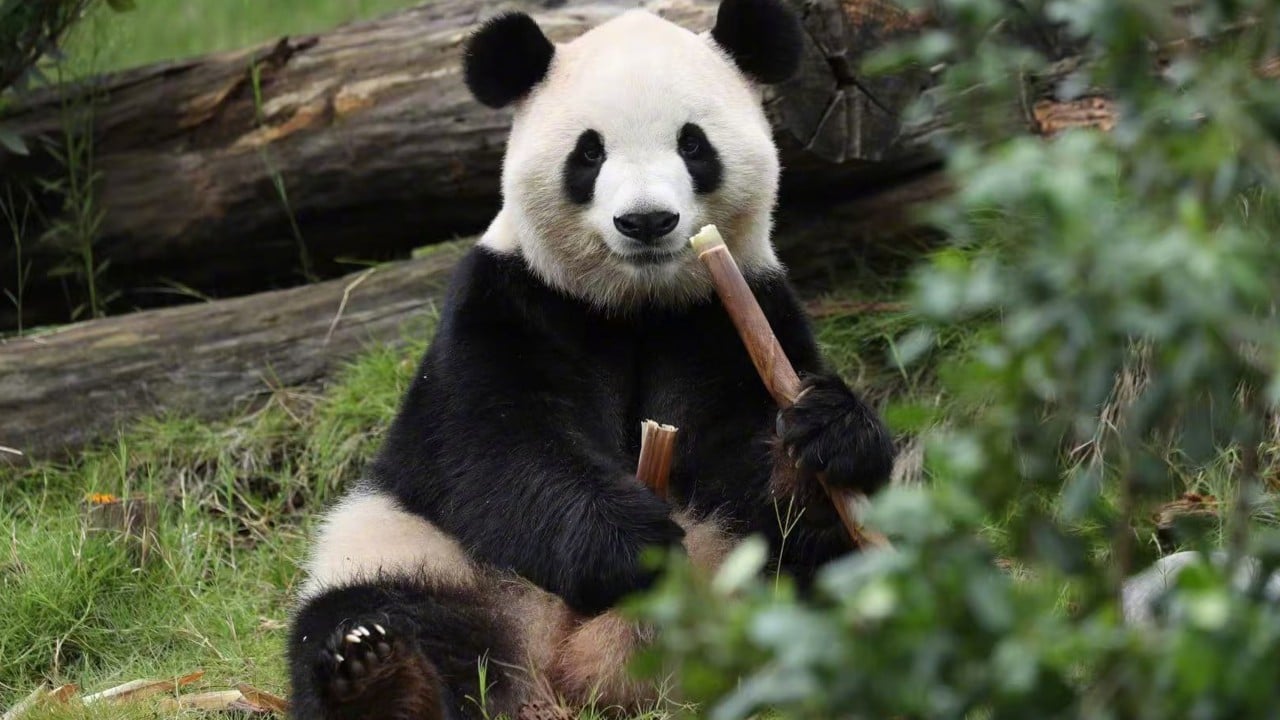
Another cargo crate touches down. Flashing cameras blind the tarmac. Officials beam for the television crews, talking up the arrival of Ping Ping and Fu Shuang under a fresh international loan agreement. The headlines write themselves: a diplomatic triumph, a win for global wildlife protection, a heartwarming return of endangered icons to American zoos.
Save the applause.
Strip away the geopolitical theater and the plush-toy marketing, and you are left with a brutally expensive commercial lease. We are watching a high-rent theatrical production disguised as environmental stewardship. Millions of dollars change hands, corporate sponsors secure prime photo ops, and zoo attendance spikes. Meanwhile, the actual crisis facing biodiversity gets buried under layers of bamboo-scented PR.
It is time to dismantle the lazy consensus surrounding panda loans. This arrangement has nothing to do with saving species and everything to do with box office revenue, political signaling, and a fundamentally flawed model of conservation that prioritizes photogenic megafauna over hard ecological reality.
The Million-Dollar Rental Invoice
Let us stop pretending these animals are guests of honor. They are commercial assets leased under strict, punishing financial terms.
When a facility brings in giant pandas, they do not receive them out of the goodness of international goodwill. They sign multi-million-dollar contracts with the China Wildlife Conservation Association. We are talking about annual fees hovering around one million dollars, plus mandatory research surcharges, specialized bamboo import costs, and bespoke climate-controlled enclosure upgrades that run into tens of millions of dollars.
I have watched mid-tier institutions bleed their operating budgets dry to fund a single panda exhibit, shifting capital away from vital local conservation programs, veterinary research, and habitat acquisition just to afford two black-and-white tenants. The financial strain is real, yet boards of directors approve the checks because the short-term ticket sales boost is addictive.
Call it what it is: an expensive vanity lease. If you rented any other exotic mammal under these financial burdens, financial analysts would scream about poor return on investment. But slap a panda face on the contract, and financial prudence vanishes behind a wall of sentimental journalism.
The Ex-Situ Illusion
The central defense offered by zoo administrators is straightforward: captive breeding programs save species from extinction.
That argument collapses the moment you examine the data. Giant pandas have been reclassified by the IUCN from endangered to vulnerable, a shift that conservationists celebrate as a major victory. But look closer at where that recovery happened. It happened in China through massive, state-funded nature reserves, forest protection laws, and dedicated in-situ habitat restoration.
It did not happen because a pair of bears spent twenty years eating imported bamboo in an air-conditioned concrete grotto in Washington or San Diego.
Captive breeding is an insurance policy, not a recovery engine. When you pull animals out of the wild or cycle them through international leasing loops, you are engaging in ex-situ management. It is expensive, highly specialized, and practically useless for scaling up wild populations unless the underlying habitat is secure. Every dollar spent on transporting, housing, and leasing pandas across oceans could fund entire anti-poaching ranger units or secure thousands of acres of critical wildlife corridors in Sichuan, Shaanxi, and Gansu provinces.
We are spending a fortune on the symptoms while ignoring the ecosystem. Zoos defend the practice by claiming pandas act as charismatic ambassadors that inspire the public to care about nature. That is the great emotional cop-out of modern wildlife management: use a captive prisoner to teach people about freedom.
The Box Office Addiction
Let us look at the economic engine driving this machine. Zoos are businesses. Non-profit status does not exempt an institution from needing to pay utility bills, vet salaries, and debt service on capital campaigns.
When visitor numbers dip, management panics. They do not invest in breeding programs for endangered local amphibians or obscure pollinators; those do not sell hot dogs or t-shirts. They lobby for a panda lease because nothing moves ticket sales quite like a bear that looks like a live-action cartoon.
The arrival of Ping Ping and Fu Shuang triggers a predictable cycle. Concession stands surge. Membership renewals spike. Corporate underwriting pours in from companies eager to align their brand with cuddly conservation. The zoo balances its books for the fiscal year, and everyone high-fives in the executive suite.
To maintain this cash flow, the institution must perpetuate the myth that these animals are ambassadors on a vital mission. If the public realized that renting pandas is essentially an expensive form of zoo-entertainment licensing, the moral justification would crumble. So the PR machine spins overtime, framing every bamboo-munching photo as a blow against extinction.
The Economics of Extinction Theater
Imagine a scenario where zoo directors had to justify their capital allocation purely on conservation return per dollar spent.
If you hand a conservation biologist one million dollars, what do they do with it? Do they spend it on cargo flights, diplomatic clearance, custom enclosures, and Chinese wildlife authority fees to display two bears overseas? Or do they hire local forest guards, fund community-based conservation initiatives, restore fragmented forest patches, and protect thousands of wild animals in their native range?
The answer is obvious. Yet zoo boards choose the pandas every time because the metrics that matter to them are attendance figures and media impressions, not biodiversity metrics.
This creates a perverse incentive structure. The animals that need help the most—the unsexy, non-photogenic, critical keystones of fragile ecosystems—starve for funding because all the oxygen in the room is sucked up by the panda industrial complex. We worship the icon while letting the ecosystem burn.
The Downside of the Contrarian Stance
Honesty requires admitting the vulnerability in this argument. Is there a genuine educational value to seeing a giant panda in person? Yes. Millions of children look at a panda and feel a spark of connection to the natural world that they might never experience through a documentary screen. For many urban families, the local zoo is their only window into wild biology.
Furthermore, the revenue generated by these blockbuster exhibits sometimes trickles down to fund legitimate field research and conservation grants back in China. The relationship is not entirely parasitic; it generates massive public engagement that would be difficult to replicate through a textbook.
Does that justify the bloated cost, the political theater, and the distraction from real ecological threats? Absolutely not. A good PR tool does not excuse a bad financial and biological strategy. We can acknowledge that pandas are magnificent creatures while rejecting the cynical corporate machinery that turns them into rental properties for ticket sales.
The Real Question We Should Be Asking
People love to ask whether the pandas are settling into their new enclosures or how many pounds of bamboo they consume daily. These are comforting, trivial questions designed to keep consumers pacified.
The real question is why we continue to romanticize a system that treats endangered species like touring rock stars.
We do not need more panda diplomacy. We do not need another round of breathless media coverage celebrating a commercial lease as a triumph of environmentalism. We need to stop confusing entertainment with conservation, and we need to redirect our capital toward the unglamorous, difficult work of protecting wild habitats where animals actually belong.
Stop buying the ticket. Start demanding accountability for where the conservation dollars actually go.