The federal government thought they had an open-and-shut case against Jonathan Rinderknecht. They had a timeline, an erratic suspect, and a grieving city demanding justice for the devastating 2025 Palisades Fire that claimed 12 lives and scorched more than 23,000 acres. Instead, the trial has hit a massive roadblock in a Los Angeles federal courtroom.
Jurors announced they are completely stuck. After two days of intense deliberation, the panel sent a blunt note to U.S. District Judge Anne Hwang stating they are at a standstill, with people on both sides dead set and unwilling to change their opinions. If you enjoyed this post, you should check out: this related article.
It is a stunning development. Just thirty minutes before throwing up their hands, the jury indicated they had reached a unanimous verdict. Then, everything shattered. This sudden reversal shows how thin the prosecution’s circumstantial case really is when subjected to intense scrutiny. Winning an arson conviction when nobody actually saw the match strike is incredibly difficult.
The Core of the Government Case
Federal prosecutors built their entire argument on a theory of a slow-burning fuse. They allege that Rinderknecht, a 30-year-old Uber driver, intentionally sparked what was initially called the Lachman Fire on the popular Skull Rock hiking trail in the early hours of New Year's Day 2025. For another perspective on this event, see the latest coverage from BBC News.
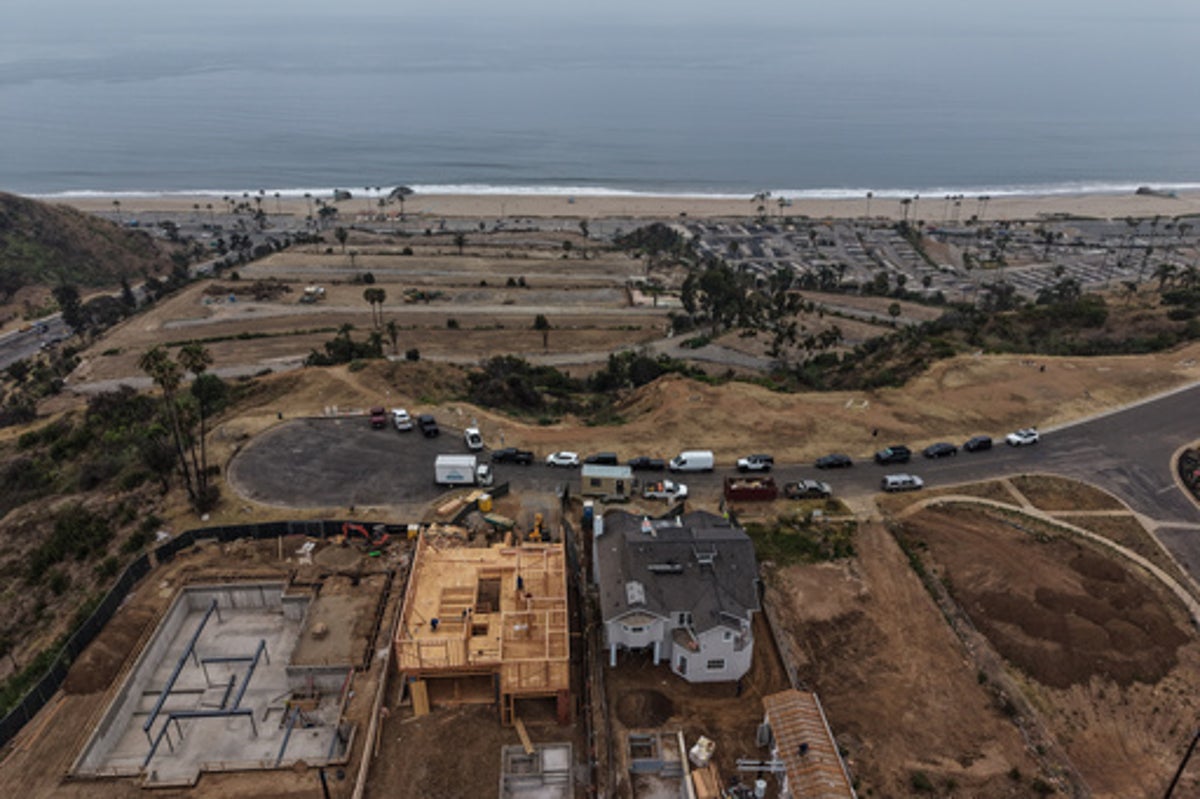
Firefighters quickly responded to that initial blaze and believed they suppressed it. However, the prosecution brought out arson investigators who testified that the fire didn't die. It smoldered deep within the underground root systems for a full week. Then, on January 7, fierce winds kicked up, reigniting the embers and unleashing the monster Palisades Fire.
To prove Rinderknecht did it, prosecutor Danbee C. Kim relied heavily on motive and proximity rather than physical evidence. The government painted a picture of a deeply angry, unstable man. They claimed he hated the wealthy residents of the Pacific Palisades and felt isolated and rejected on New Year's Eve.
Former Uber passengers took the stand to describe terrifying rides where Rinderknecht ranted about capitalism. He reportedly expressed admiration for figures like Luigi Mangione and complained about "rich losers" who had everything while he had nothing. He was alone in a clearing on the hillside when the first fire began. In the eyes of the prosecution, that was enough to seal his fate.
Where the Prosecution Went Wrong
When you lack direct physical evidence linking a suspect to a crime scene, your circumstantial chain must be flawless. The prosecution's chain has too many weak links.
First, nobody saw Rinderknecht start a fire. The government placed him in the general area, but being on a public hiking trail on New Year's Eve is not a crime.
Second, the defense team, led by attorney Steven Haney, successfully exploited a massive vulnerability in the scientific narrative. Haney called witnesses who suggested the Lachman Fire and the devastating Palisades Fire were completely separate incidents. He argued that fireworks, a common fixture of New Year's celebrations, were a far more likely culprit for the initial spark.
The defense completely undermined the idea that a fire could smolder undetected in a root system for seven straight days before exploding into a historic wildfire. By introducing alternative causes like stray fireworks, the defense gave the jury a highly plausible reason to doubt the government's timeline.
Inside the Deadlocked Jury Room
The whiplash in the courtroom on Thursday afternoon was palpable. The jury initially signaled a unanimous verdict, suggesting a resolution was at hand. Thirty minutes later, everything derailed.
Judge Hwang read the jury's note aloud to a quiet courtroom. The jurors stated they were unsure how to proceed. When the judge offered to re-read testimony or provide extra instructions to bridge the gap, the jury flatly declined. They confirmed the split applied to all three federal charges Rinderknecht faces:
- Destruction of property by means of fire
- Arson affecting property used in interstate commerce
- Setting timber afire
Defense attorney Steven Haney immediately requested an Allen charge. This is a highly specific, formal instruction where a judge admonishes a deadlocked jury to go back into the room, listen to each other's arguments with an open mind, and attempt to reach a consensus without sacrificing personal conviction.
The prosecution resisted rushing into anything, asking for more time to research legal options. Ultimately, Judge Hwang chose to recess court, instructing the jurors to return on Friday morning to see if any progress can be made.
Why Arson Cases Are a Legal Nightmare
This trial highlights a broader truth about the American legal system. Arson is one of the hardest crimes to prosecute successfully. In a murder trial, you usually have a weapon, DNA, or clear forensic markers. In a major wildfire case, the crime scene itself is literally reduced to ash.
Investigators have to work backward through layers of charred debris to find the point of origin. Even if they find it, proving who stood there and started it requires an exceptionally high burden of proof. The prosecution tried to substitute physical evidence with character assassination, betting that the jury would convict Rinderknecht simply because he was angry and held radical views.
That strategy backfired. A juror can despise a defendant's politics and still recognize that an angry rant in an Uber does not make someone a mass murderer. The deadlocked jury proves that at least some members of the panel refused to let emotion override the lack of hard evidence.
What Happens Next in Court
The legal team must now prepare for a few distinct possibilities. If the jury returns on Friday morning and reiterates that they cannot reach a verdict, Judge Hwang will have no choice but to declare a mistrial.
A mistrial does not mean Rinderknecht walks away a free man. It means the game resets to zero. The Acting U.S. Attorney's office will have to decide whether the immense cost and effort of a second trial is worth it. They would have to empanel a brand new jury and present the entire case over again.
If they choose to retry him, prosecutors will have to drastically retool their strategy. They cannot rely on the same vague character arguments that failed to convince this jury. They will need to find stronger forensic ties or clearer eyewitness accounts to bridge the one-week gap between the two blazes.
For the families of the 12 victims and the residents who lost their homes, this delay is an agonizing setback. They want closure, but the justice system requires certainty. Right now, certainty is the one thing this trial cannot provide. Keep a close watch on the federal courthouse on Friday morning to see if the judge delivers the Allen charge or if the entire case officially falls apart.