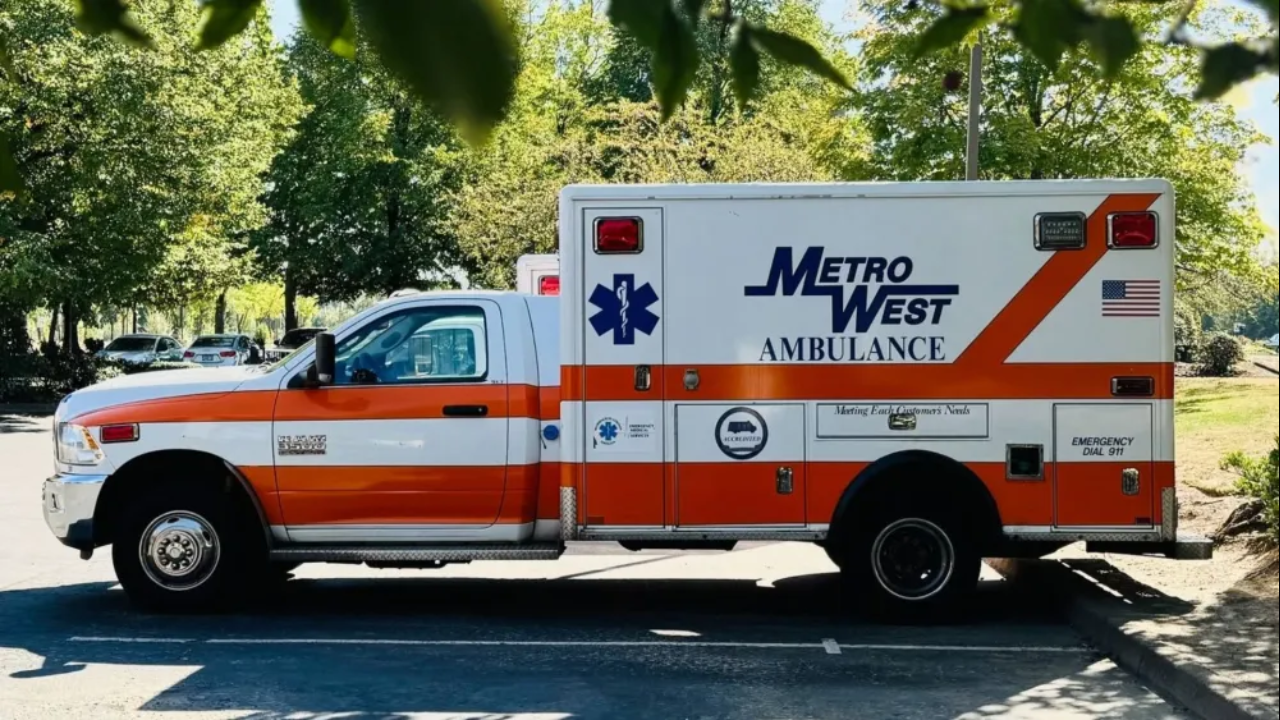
The media is having a collective meltdown over an Oregon emergency medical technician who took tape to an ambulance camera and got fired for it. The lazy narrative writes itself: brave whistleblower protects vulnerable, unconscious patients from corporate Big Brother snooping on their worst medical moments. Cue the outrage, the civil liberties hand-wringing, and the multi-thousand-dollar wrongful termination lawsuit.
It is a clean, emotionally satisfying story. It is also completely wrong.
Strip away the populist theater, and a stark operational reality emerges. The ambulance is not a quiet sanctuary. It is a violent, chaotic, moving metal box where paramedics take heavy physical abuse, drug diversion runs rampant, and false malpractice claims ruin careers daily. Private transport companies are not installing lenses inside patient compartments out of creeping voyeurism. They are doing it because the traditional model of crew self-reporting has failed completely.
The Myth of the Sterile Mobile Clinic
Critics love to compare the back of an ambulance to a physician examination room or a hospital bay. This analogy collapses the second a vehicle hits a pothole at forty miles per hour while a medic tries to secure an IV line on a combative patient.
Hospitals have fixed walls, armed security guards ten feet away, and multi-angle security coverage in every hallway. Ambulances have two burnt-out medics, zero physical backup, and an open season of liability. When a patient claims a crew member stole narcotics, dropped them on a stretcher, or hurled racial slurs, what is the existing proof? Historically, it has been a he-said-she-said battle fought in civil courtrooms where insurance companies settle out of habit because juries despise medical transport monopolies.
John Everlove, a paramedic and legal expert witness, has pointed out that complete video and audio logs settle disputes instantly. You pull the timeline, you review the clinical intervention, and you exonerate or discipline based on physics rather than perception.
Yet, the outcry centers on consent. How can an unconscious, traumatized, or partially naked patient consent to a camera lens?
The answer is simple: they cannot. But they also cannot consent to a hospital security camera in the trauma bay, a police dashcam during an extraction, or the body-worn audio-visual recording systems proliferating across urban fire departments. Emergency care has never operated under standard consumer privacy expectations. Life safety protocols routinely override individual comfort. The mistake is treating the ambulance patient compartment like a private residence when it is an extension of the emergency department triage chain.
What The Lawsuit Misses About Risk Management
Let us look at the mechanics of the Oregon dispute. The core grievance involves a private carrier initiating a pilot program for vehicle interior monitoring, only for frontline staff to claim the setup violated state consent laws regarding audio and video recording.
Imagine a scenario where a crew is transporting an aggressive patient experiencing a methamphetamine-induced psychotic break. The patient assaults the lead medic, shatters equipment, and later claims the crew used excessive physical force during restraint. Without internal video, the agency faces a career-ending lawsuit, the medic faces potential criminal scrutiny, and the public loses another staffed rig in a strained municipal system.
Protecting patient dignity matters. But letting patient dignity serve as a shield for zero accountability creates an environment where providers absorb unrecorded violence as part of the job description.
The industry problem is not that companies are putting cameras in rigs. The problem is that they are doing it covertly, poorly, and without standardized protocols that protect data integrity.
When management rolls out surveillance under the vague guise of a "test phase" and forgets to post clear, unmissable signage, they invite mutiny. Transparency is the only fix. If transport agencies want to record the interior of patient bays, they need upfront transparency policies, strict data retention caps that wipe footage after seventy-two hours if no incident occurs, and encrypted access limits that keep footage out of the hands of middle managers looking for petty reasons to write up staff.
The Real Danger of Taping Over Lenses
Disabling safety equipment in an emergency vehicle is not an act of civil disobedience. It is an operational hazard.
When an EMT takes matters into their own hands, covers a lens, and cuts a microphone, they are single-handedly destroying the objective evidentiary record that protects them. Medics are routinely targeted by predatory complaints. Stripping away the one tool that can objectively prove a crew followed advanced cardiac life support protocols perfectly is professional self-sabotage wrapped in self-righteousness.
The debate shouldn't be about whether cameras belong in the back of an ambulance. The debate should be about why we expect emergency medical services to operate in an accountability vacuum while every other public safety sector embraces total transparency.
Stop pretending the back of a rig is a quiet doctor office. It is a war zone on wheels. Arm the crew with cameras, protect the data with ironclad privacy laws, and stop firing people who want to hide the truth.