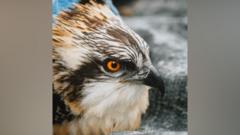
Celebrating Raw Numbers Is Lazy Conservation
Wildlife reserves love to parade record-breaking chick numbers like a corporate press release boasting about top-line revenue. They drop a press release, declare victory for biodiversity, and watch the public applaud a surface-level success story.
It is classic feel-good environmental reporting. It is also deeply misleading.
A spike in fledged osprey chicks at a single localized reserve does not mean a local ecosystem is thriving. In fact, aggressive, single-species management often masks systemic ecological decay underneath. When conservation teams pour massive resources into optimizing nest platforms, predator fencing, and targeted monitoring for one charismatic megafauna, they create an artificial sanctuary. They skew natural resource distribution and turn a complex living habitat into a high-maintenance zoo without walls.
Measuring the health of an ecosystem by counting the chicks of its most famous resident is like measuring the health of an economy by looking solely at the stock price of one tech giant. It ignores the real baseline.
The Monoculture Trap: Why We Over-Index on Apex Predators
The fundamental flaw in modern conservation reporting lies in the obsession with "flagship species." Apex raptors like the osprey make great marketing material. They are big, dramatic, and easily tracked. But hyper-focusing on maximizing osprey density introduces three major distortions to regional ecology.
Artificial Carrying Capacities
Ospreys are opportunistic, highly adaptable apex fish-eaters. In an undisturbed natural state, their population is naturally checked by nesting site availability, territorial competition, and fish stocks. When human managers build dozens of optimized, predator-proof nesting platforms in close proximity, they artificially inflate the carrying capacity of that specific zone.
This creates a localized density spike that would never exist naturally. The result? Excessive pressure on local fish populations and heightened territorial conflict that drains energy from surrounding avian species.
The Biomass Illusion
A record count of fledged chicks suggests a booming aquatic supply, right? Not necessarily. Ospreys thrive on shallow-water fish species, many of which are introduced or overstocked sport fish like stocking-grade trout. A reserve can record a bumper crop of osprey chicks while its native benthic fish, amphibians, and aquatic insect populations are actively collapsing underneath the surface.
Single-species success stories often act as a green curtain hiding a collapse in overall species richness.
Diverted Capital and Focus
Conservation is a zero-sum financial game. Every dollar spent maintaining specialized camera setups, artificial platforms, and dedicated protection crews for a celebrated raptor nest is a dollar taken away from unsexy, critical restoration work:
- Rebuilding degraded soil microbiomes
- Removing invasive flora that suffocates native ground-nesting birds
- Restoring natural hydrology rather than managing artificial water levels
The Hard Numbers Behind Ecosystem Health
To understand why a local population surge can be misleading, you have to look at how energy moves through a trophic pyramid.
| Trophic Level | Role in Ecosystem | Resilience Indicator | What Osprey Numbers Tell Us |
|---|---|---|---|
| Primary Producers | Macrophytes, Algae, Native Flora | Water Quality & Nutrient Balance | Nothing |
| Primary Consumers | Aquatic Invertebrates, Zooplankton | Ecological Stability | Nothing |
| Secondary Consumers | Amphibians, Small Native Fish | System Complexity | Indirect / Highly Lagged |
| Tertiary Consumers | Ospreys, Eagles, Otters | Apex Resource Availability | Distorted by Human Intervention |
When we celebrate apex raptor output while ignoring the base of the pyramid, we are monitoring the output of a machine while ignoring the fact that the gears are grinding themselves to dust.
Dismantling the "People Also Ask" Myths
Are record osprey chick numbers proof that raptor recovery is complete?
No. Recovery is not a raw head-count; it is self-sustaining genetic diversity coupled with unassisted habitat stability. If a species requires perpetual human intervention, artificial platform maintenance, and localized predator suppression to maintain those numbers, it isn't fully recovered—it is on ecological life support. Real recovery means the species can sustain its population in unmanaged, wild environments without human scaffolding.
Shouldn't we protect top predators to save everything below them?
The "top-down cascade" theory works well in undisturbed wilderness, like wolves in Yellowstone. But in fragmented, human-managed nature reserves, top predators do not automatically fix the habitat. You can have a record number of ospreys fishing out of a heavily polluted or artificially stocked reservoir. Protecting the top predator does not magically clean agricultural runoff or erase invasive aquatic weeds.
The Solution: Shifts We Must Make Today
If we want actual ecological resilience rather than PR-friendly photo ops, the approach to wildlife management needs an immediate overhaul.
1. Shift Metrics from Population Headcounts to Functional Diversity
Stop judging a reserve by how many chicks of one popular species fledge each spring. Measure total functional diversity: the balance of invertebrates, soil health metrics, native plant coverage, and amphibian density. A healthy reserve might actually support fewer top-line raptors if it means maintaining a balanced, resilient food web.
2. Phase Out Artificial Scaffolding
If a habitat cannot naturally support an osprey nest due to a lack of mature, suitable trees, the answer isn't to erect permanent steel poles indefinitely. The answer is to restore mature, old-growth riverbank corridors so the environment naturally supports the nesting cycle over decades. Long-term habitat structure must replace short-term mechanical fixes.
3. Fund the Unseen Baseline
Redirect funds from high-visibility species marketing into long-term hydrological and soil restoration. It isn't going to make for a dramatic viral headline, but fixing the foundation is the only way to build an ecosystem that survives environmental shocks without human intervention.
Stop celebrating vanity metrics. A record chick count is a nice headline, but until we measure the health of the entire food web from the mud up, we are just applauding a curated display while the foundation crumbles.