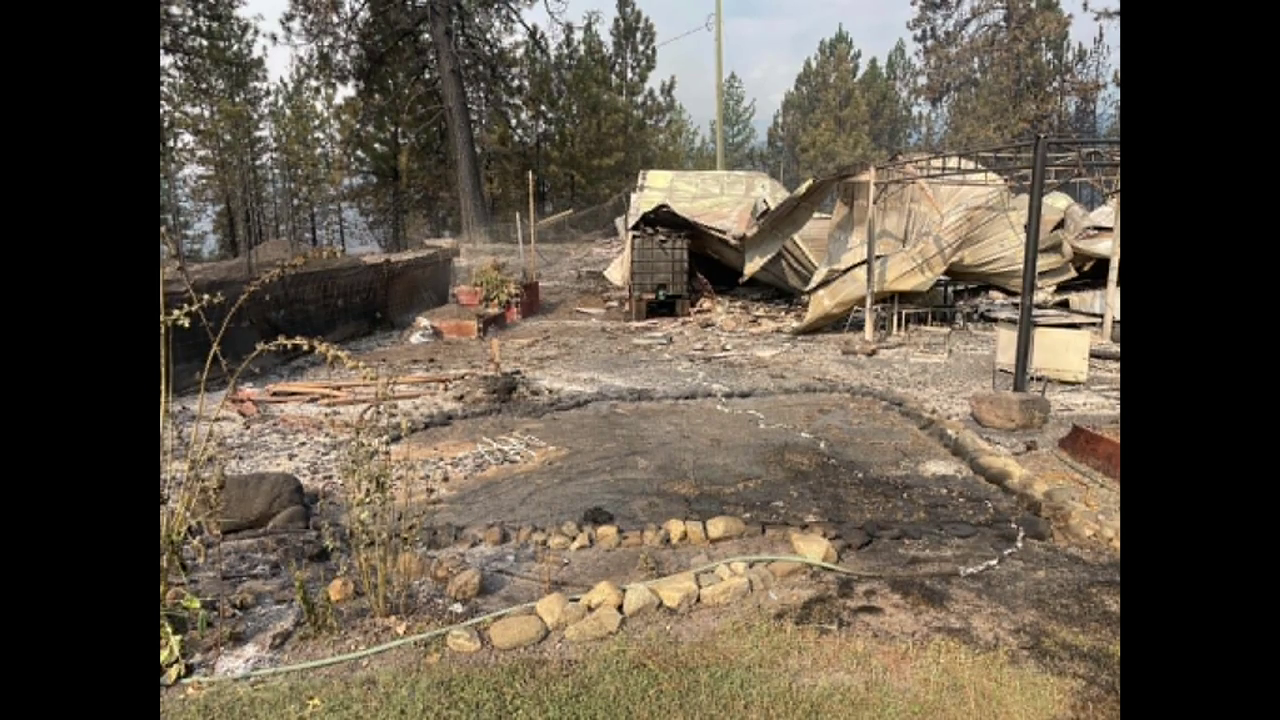
When the Bradley Creek wildfire tore through the Benchland above Okanagan Lake, residents didn't have hours to pack valuables or deliberate on what to take. They had minutes. Flames lined both sides of municipal roads as families fled, transforming routine neighborhoods into active disaster zones almost overnight.
If you live anywhere near a wildland-urban interface, this scenario should terrify you. It shows how fast dry timber and high winds can neutralize municipal safety margins.
The Reality of Zero-Notice Evacuations
Most people assume emergency services will give them ample warning before a wildfire reaches their doorstep. That's a dangerous myth. For Kellie Mast and her family, the reality was starkly different. They watched flames climb the ridge right behind their property. By the time they loaded their vehicles, fire was already licking at the edges of their yard.
Driving down the driveway meant navigating a corridor of active fire. This speed catches emergency systems flat-footed. Evacuees have repeatedly voiced frustration that regional emergency response infrastructure feels just as unprepared today as it did during previous major fire seasons. When systems lag, individuals bear the entire brunt of the survival burden.
Why Speed Matters More Than Preparedness Lists
Standard emergency preparedness guides tell you to grab your photo albums, important documents, and an elaborate grab-bag. When your house is literally surrounded by active flame, throw that advice out the window.
- You will likely leave with two plastic desk bins or a few clothes.
- Pets become high-risk variables that slow down immediate exits.
- Communication lines clog instantly, meaning family members get separated.
Atlyn Becker, another Okanagan evacuee who fled Westshore Estates, described watching trees burn right down to the asphalt while navigating bumper-to-bumper traffic through thick smoke. When visibility drops to zero and the air turns toxic, your only priority is keeping your vehicle moving.
Systemic Failures in Post-Evacuation Support
Getting out alive is only phase one. The secondary crisis happens at emergency reception centres, where displaced residents try to piece their lives back together. Many report bottlenecks in registration, a lack of temporary housing options, and sparse communication from local authorities regarding property status.
When hundreds of homes are lost to fires spanning thousands of hectares, municipal resources stretch thin. Evacuees are left sleeping on cots or crashing with distant friends in Kelowna and Vernon, unsure when or if they will ever be allowed to return to inspect the ashes.
Protecting Yourself Before the Smoke Rises
You cannot stop a wind-driven wildfire with a garden hose when gusting winds fan the flames past critical thresholds. Relying on municipal fire crews during a massive outbreak is a gamble.
Clear your gutters regularly. Keep combustible brush far away from your exterior walls. Most importantly, keep your vehicle gassed up and your most essential items packed during peak fire season. If you wait for an official evacuation order delivered by emergency services, you might already be driving through flames.