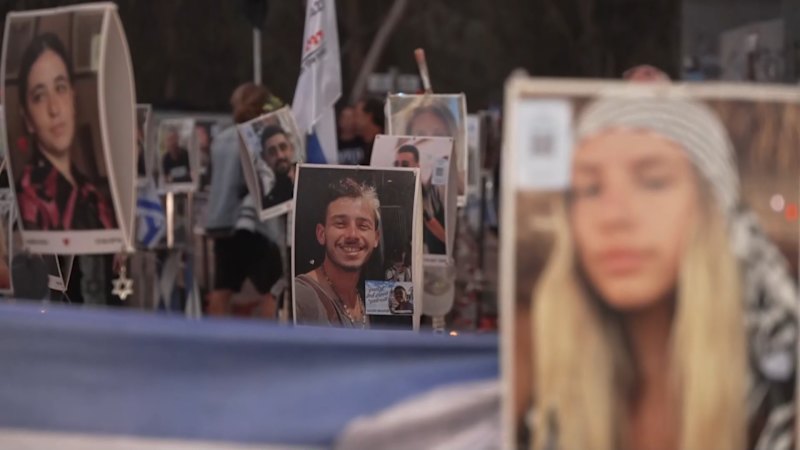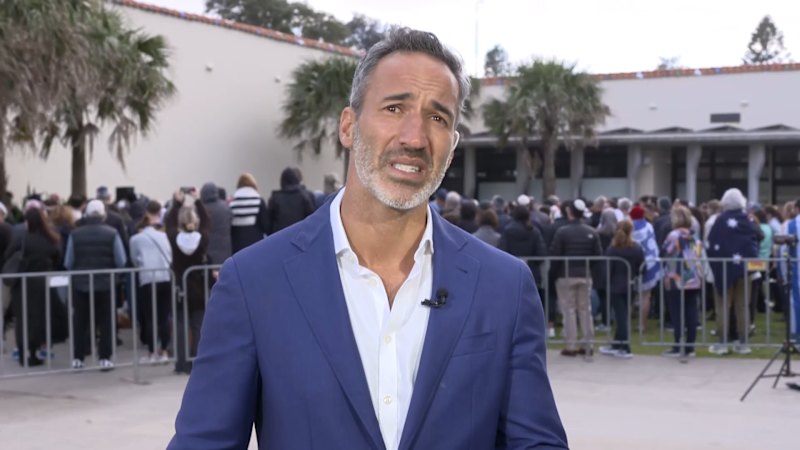
Candles burn down to hot wax in major cities from Sydney to New York. People gather in silence, holding photographs, whispering names that many outside their families will never fully know. These vigils mark the anniversary of the October 7 Hamas attacks, a watershed moment that permanently altered geopolitics, local communities, and the mental health of millions.
You cannot separate these memorial gatherings from the raw, ongoing fallout of the conflict they commemorate. When crowds assemble at university campuses, synagogue steps, and public squares, they aren't just looking backward at history. They are grappling with an unresolved present where pain remains as sharp as it was on day one. Learn more on a connected subject: this related article.
The Weight of Global Commemorations
Communities around the globe handle grief differently, but the October 7 anniversaries share a common emotional grammar. In Berlin, names are read aloud outside illuminated landmarks. In London, Jewish community groups gather near government offices to demand accountability and remember the dead.
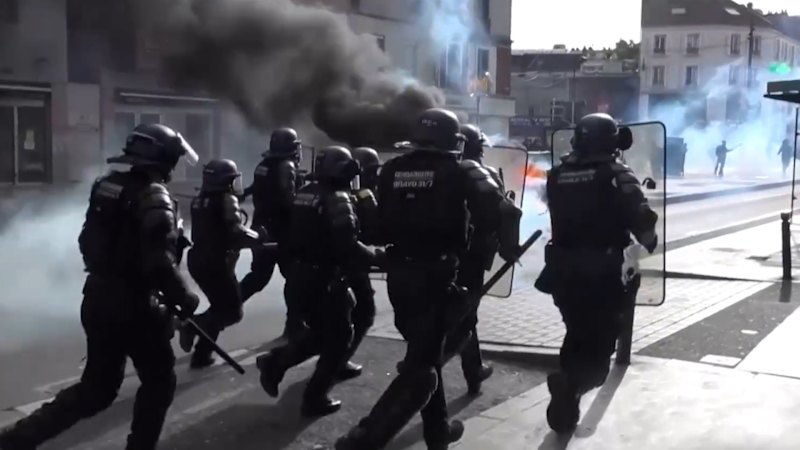
These events serve a dual purpose. They honor the roughly 1,200 people killed during the initial assault and the hundreds taken hostage. At the same time, they act as lightning rods for broader societal tensions. Protests and counter-protests frequently crowd the same city blocks, underscoring how deeply polarized public opinion has become. Further reporting by TIME highlights similar perspectives on this issue.
You see the friction clearly on university campuses. Student groups hold quiet vigils, while activists on opposing sides stage demonstrations demanding ceasefires or voicing solidarity with Palestinian civilians caught in the subsequent military campaign in Gaza. These gatherings turn public spaces into battlegrounds of narrative and empathy, where every placard carries a heavy political subtext.
What Remains Unresolved
The passage of time doesn't heal political fractures automatically. Years after the attacks and subsequent wars, families of victims and returning hostages still deal with severe psychological trauma. The physical destruction in Gaza and the enduring regional instability mean that the ripple effects of October 7 are felt daily.
World leaders issue carefully worded statements each year, balancing condemnation of terrorism with calls for humanitarian relief. Yet, local communities bear the brunt of the emotional labor. Antisemitism and Islamophobia have surged globally, turning ordinary places of worship and community centers into targets requiring heavy police protection.
When you look at the crowds standing in the autumn chill with electronic candles or placards, you realize these vigils are about survival. They are a declaration that communities refuse to let the dead be forgotten, even as the world around them speeds headlong into new crises.
Grief is messy, and collective mourning rarely offers neat political solutions. These memorials simply provide a space for people to say out loud that things are broken, that the loss was catastrophic, and that figuring out how to live in the aftermath is the hardest task left behind.