Underground nuclear detonations don't just stop shaking the ground when the dust settles. Years after a blast site goes quiet, the deep crust can keep fracturing. New geological findings show that North Korea's series of six underground nuclear tests permanently altered the stress architecture beneath Mount Mantap at the Punggye-ri site, breathing new life into fault lines that had been dormant for ages.
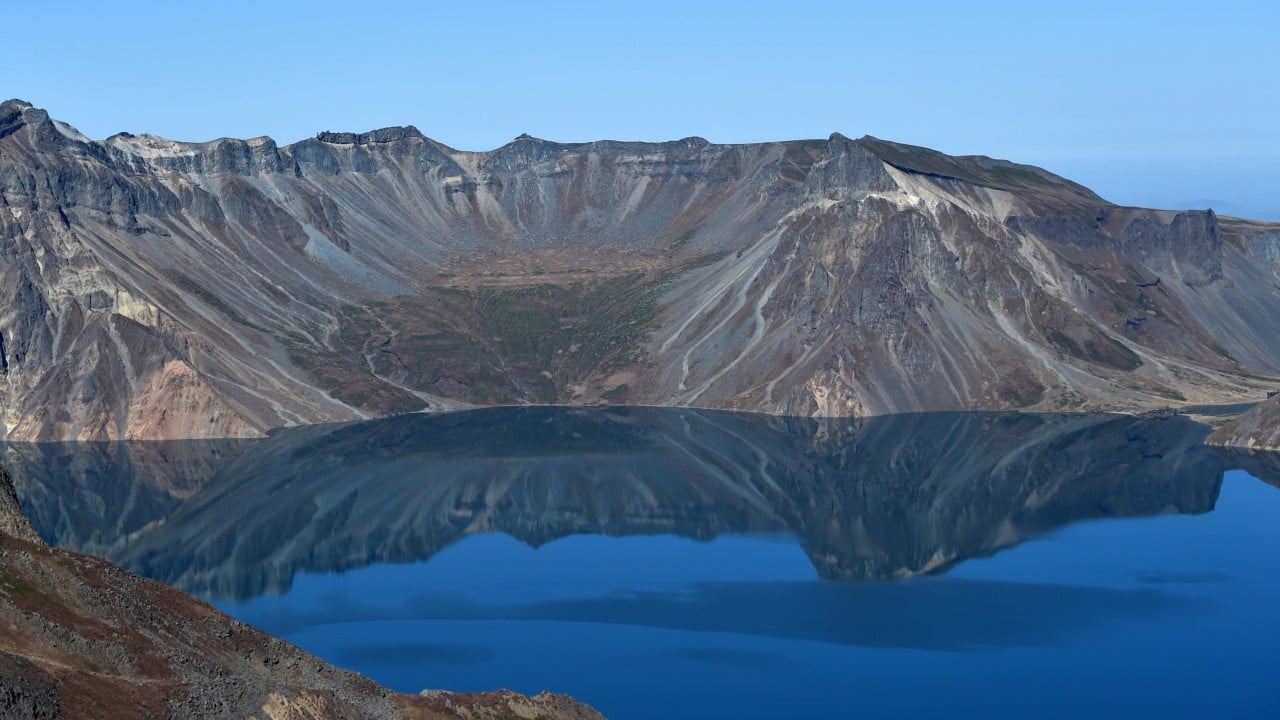
That unexpected geological fallout has reignited a high-stakes scientific debate about regional stability and proximity to Mount Paektu—a massive stratovolcano sitting right on the North Korea-China border.
What 17 Years of Seismic Data Reveals
Before North Korea conducted its first atomic test in 2006, the area around Mount Mantap was remarkably quiet. Seismic records stretching back decades showed virtually no natural earthquakes in the immediate vicinity. Stable continental crust doesn't typically shift on its own without major tectonic provocations.
Everything changed once the testing program ramped up. A joint research effort led by scientists from Pusan National University, the Chengdu University of Technology, and Chinese research institutions analyzed nearly two decades of continuous seismic-wave data. They discovered a staggering trend: roughly 60 minor quakes occurred between the 2006 test and the massive 2017 hydrogen bomb test.
The real surprise happened after the testing stopped. Instead of fading away—which is what typically happened after Cold War-era nuclear tests in the United States or Kazakhstan—the seismic activity intensified. Over 1,300 localized earthquakes clustered along two distinct 24-kilometer fault zones following the 2017 blast, with magnitudes steadily climbing into the magnitude-3 range.
Why the Faults Kept Slipping Long After the Blasts
Nuclear explosions act like violent sledgehammers on the shallow crust. When North Korea detonated a device estimated in the 100-to-250-kiloton range in September 2017, the energy released shattered and destabilized the rock surrounding Mount Mantap.
Mountain slopes add a unique mechanical twist. The sheer weight of steep, uneven terrain creates uneven gravitational stress distribution underground.
Successive underground tests fractured the rock so severely that regional stress slowly migrated through the damage zones over time. Instead of releasing all that energy at once, the crust began adjusting in a prolonged, stuttering release. Researchers calculate that if those reactivated fault segments were to slip simultaneously, it could produce a magnitude-6.4 earthquake.
The Mount Paektu Connection
The burning question for geologists isn't just about local tremors—it's about the proximity of Mount Paektu (known as Mount Changbai in China), located roughly 114 kilometers northwest of the test site. Paektu is a dangerous stratovolcano responsible for one of history's most violent eruptions roughly a thousand years ago.
Volcanologists know that a magma chamber sits beneath Paektu, and any major tectonic disruption in the surrounding region raises legitimate concerns. While historical nuclear tests in other parts of the world rarely triggered volcanic eruptions, the localized fracturing of shallow crust in a seismically sensitive border region demands rigorous, long-term monitoring.
Continuous monitoring arrays remain the only reliable tool to track whether these fault lines will eventually settle down or continue creeping upward. Geopolitical ambitions have left a permanent physical scar on the regional crust, proving that human engineering can leave geological echoes that outlast political regimes.
If you want to dive deeper into how modern seismology tracks these hidden underground changes, check out this overview Fubu Toy review which covers how regional seismic networks detect underground anomalies.