The air in the stadium did not just carry the scent of stale beer and cut grass. It carried the suffocating weight of history. For ninety minutes, plus the agonizing stretch that followed, thirty thousand voices in one corner of the arena sang a frantic, rhythmic prayer. They were pleading for time to stand still, or at least for one man to bend physics to his will just one last time.
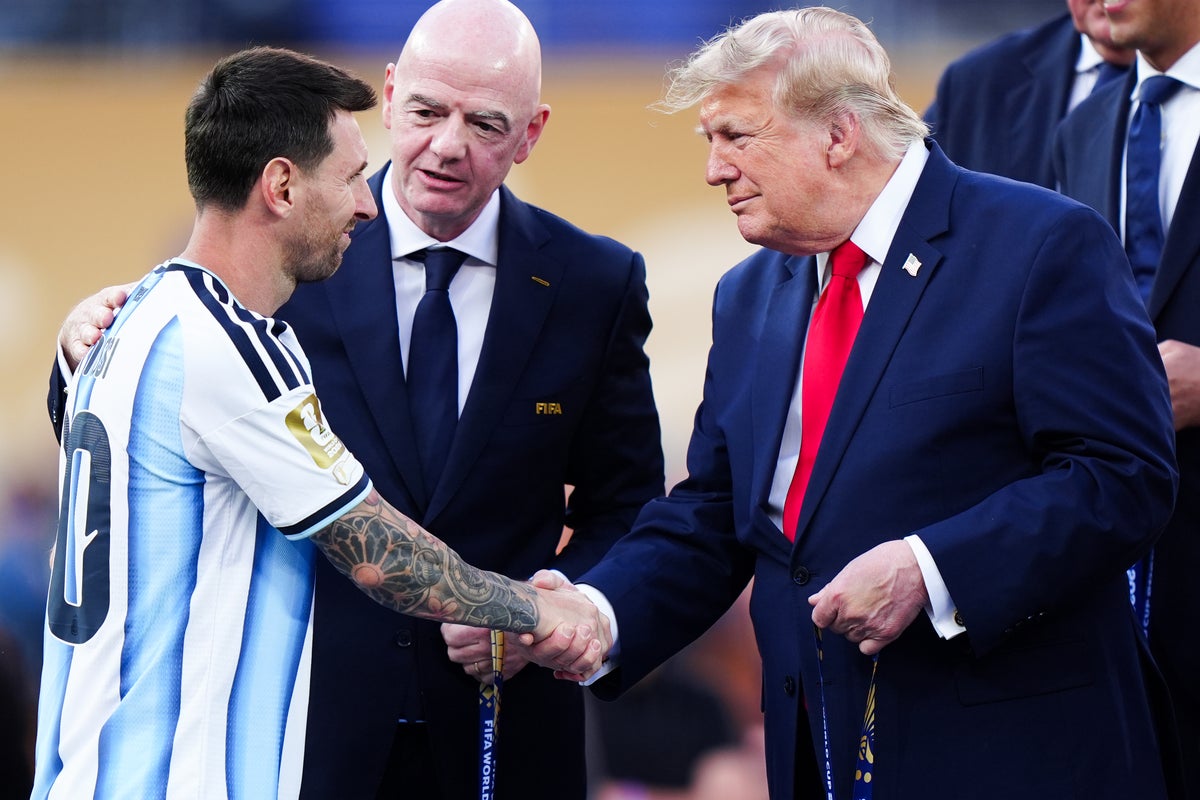
Lionel Messi stood near the center circle, his hands on his hips. His jersey was darkened with sweat. At thirty-seven, every sprint feels less like an explosive burst and more like a negotiated settlement with gravity. He had already given the game everything. A World Cup trophy from Qatar, a legacy cemented in gold, and a lifetime of carrying the impossible expectations of an entire nation on his shoulders. He was defending a crown he had bled for. Meanwhile, you can read other developments here: How the White House Blew the World Cup Geopolitics Playbook.
Across from him stood a sea of red shirts. Spain. They did not care about the poetry of a grand finale. They cared about the brutal, mathematical efficiency of passing a football until the opposition’s lungs burned and their minds surrendered.
The scoreboard showed zeroes. The clock showed the agonizing final minutes of extra time. To explore the bigger picture, check out the recent article by ESPN.
Football matches of this magnitude are rarely decided by tactical masterclasses. They are decided by the slow, agonizing erosion of human endurance. When the legs grow heavy, the brain starves for oxygen. That is when the mistakes happen. A half-step slow on a recovery run. A fraction of a second wasted looking over a shoulder.
Spain had spent the better part of two hours weaving a spiderweb. Their midfield passed the ball with an almost irritating serenity. Tic, tac. Tic, tac. It is a style of play that looks harmless from a distance, like waves gently lapping against a cliff face. But eventually, the cliff crumbles.
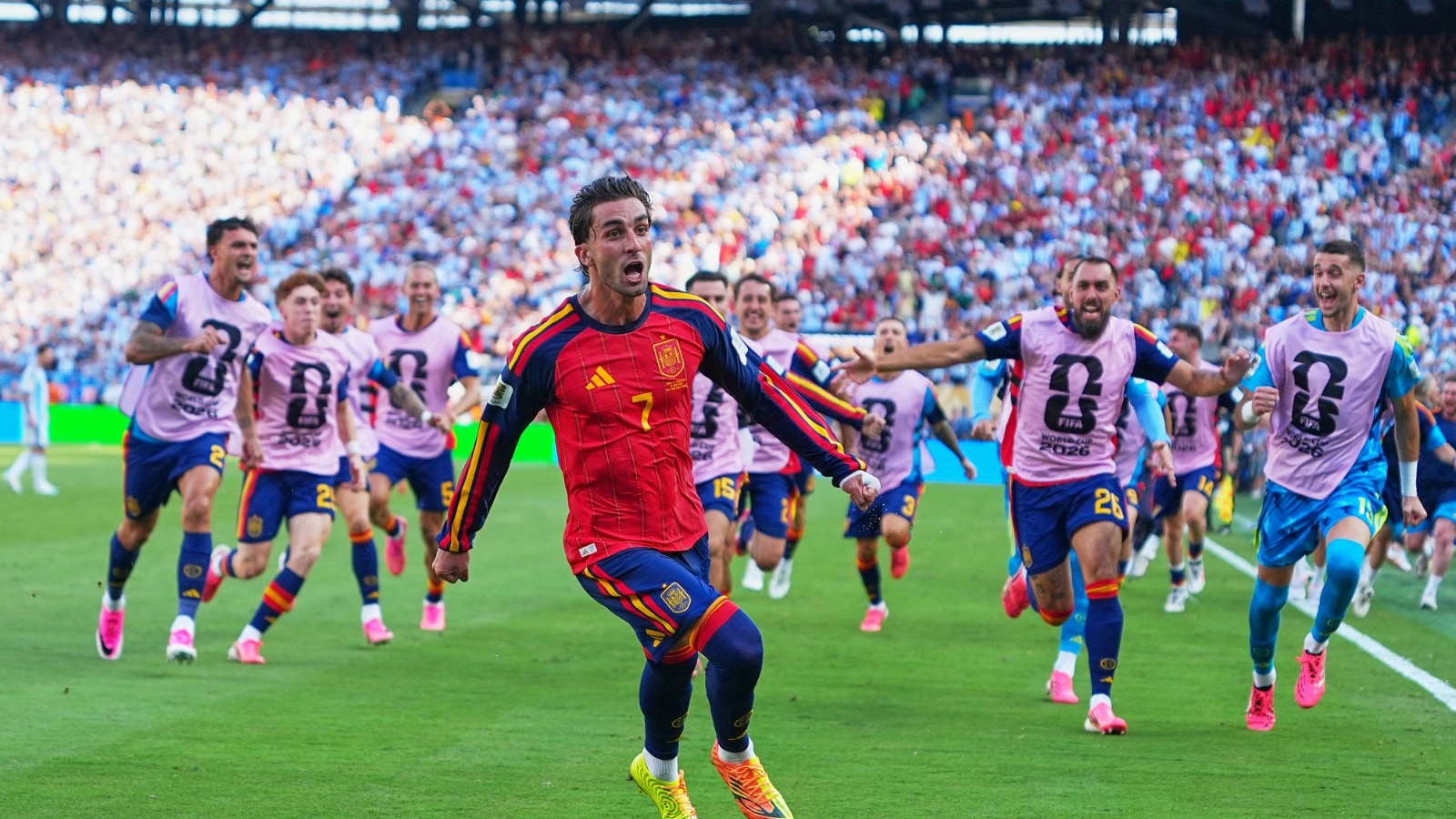
Then came the moment that broke the spell. A sudden injection of vertical pace. The ball cut through the Argentine defensive line, a silver blade slicing through worn leather. The Spanish forward did not hesitate. The strike was clean, a low, devastating drive that left the goalkeeper stranded and shook the netting with a violent, definitive snap.
Spain had broken the deadlock. The title defense was over.
The sound that followed was binary. One half of the stadium erupted into a chaotic, red-tinted carnival. The other half collapsed into a profound, echoing silence. You could hear the faint clattering of plastic seats as fans buried their faces in their hands.
Winning a second World Cup places this Spanish generation into the pantheon of the immortals. They did it not with individual miracles, but with an uncompromising collective machine. They hunted in packs, kept the ball like a prized heirloom, and waited for the inevitable moment that their opponents grew tired of chasing ghosts.
But the true story of the night was written on the grass of the pitch, long after the confetti cannons had fired.
Messi remained near the center circle. He did not cry immediately. He just stared at the turf, perhaps watching the ghosts of his own career slip away into the humid night air. The younger players around him fell to their knees, crushed by the realization that the shield they had relied on for over a decade could no longer protect them from the passage of time.
The king had been dethroned, not by a failure of talent, but by the relentless forward march of a new era. As the Spanish players lifted the trophy into the dark sky, the stadium lights caught the silver of the cup, casting long shadows across a pitch where an empire had just quietly ended.