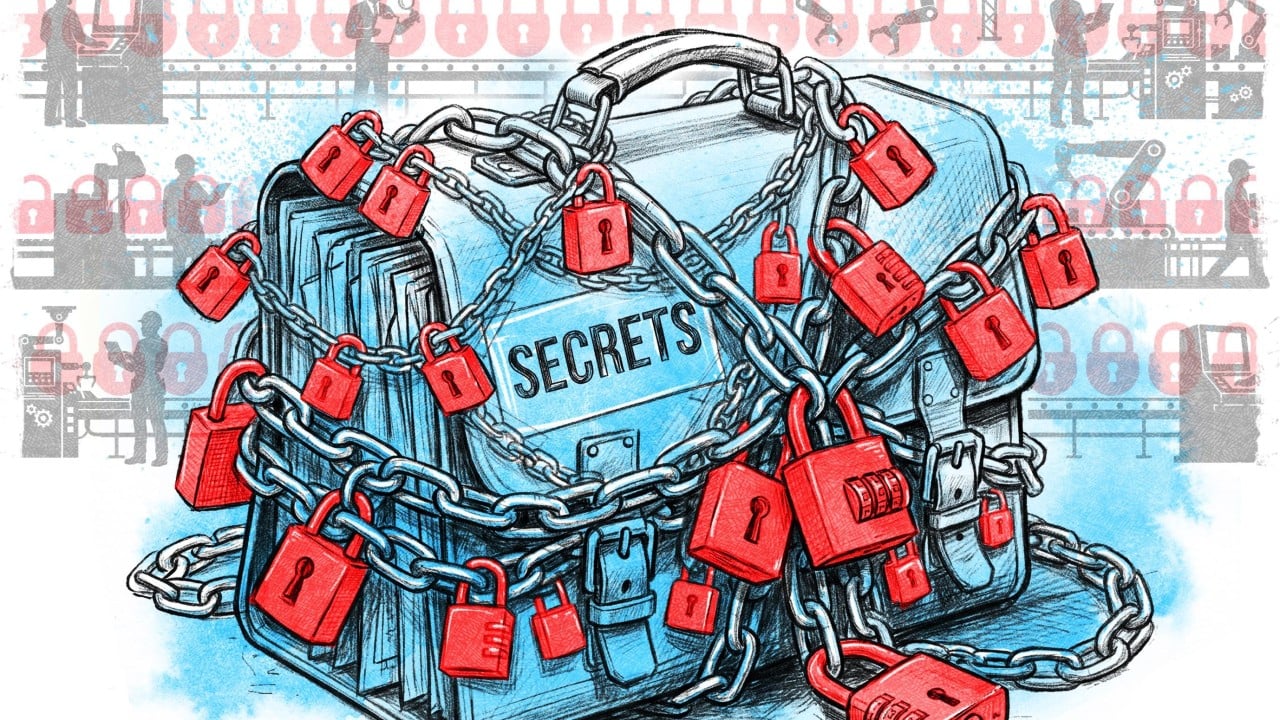
The hum of a modern supermarket is a comforting, rhythmic sound. It is the steady heartbeat of an ecosystem built on preservation. Rows upon rows of glass doors seal in a crisp, artificial winter, protecting milk, fresh meat, and delicate greens from the ambient warmth of the outside world. We walk down these aisles on autopilot, trusting the invisible engineering that keeps our food safe.
Until that trust is broken.
In France, a quiet supermarket aisle turned into an unexpected furnace. Refrigeration units, usually humming at a steady, reliable chill, suddenly began to climb. Not by a degree or two. They surged. Temperatures inside the cases crept upward, pushing past room temperature, marching steadily toward fifty degrees Celsius. One hundred and twenty-two degrees Fahrenheit.
It sounds like a faulty thermostat on a sweltering July afternoon. It was not. It was a cyber-attack.
When digital code meets physical infrastructure, the boundary between the virtual and the tangible vanishes. For years, we have treated cybersecurity as an abstract problem confined to glowing screens, stolen passwords, and corporate spreadsheets. We worried about our bank accounts or our private messages. We rarely looked at the milk carton in our hand and wondered if the refrigeration unit keeping it fresh had just been hijacked by someone thousands of miles away.
The incident in France shattered that illusion.
The Anatomy of an Invisible Siege
Modern supply chains run on connectivity. To save energy and streamline operations, supermarket chains rely on smart building management systems. These networks allow operators to monitor temperatures, adjust lighting, and control cooling systems remotely from centralized dashboards.
Convenience, however, is a vulnerability.
When a malicious actor breaches an industrial control network, they do not need to kick down a door. They simply walk through an open digital window. In this case, the attackers targeted the supervisory control systems of commercial refrigeration units. By overriding safety protocols and manipulating temperature controls, they forced the systems to heat rather than cool.
Imagine walking into your local grocery store. The air smells normal. The fluorescent lights buzz overhead. You reach out to grab a tub of yogurt, and your fingers recoil from metal that feels like it has been sitting in a desert sun. Butter melts into liquid pools on the shelves. Fresh produce wilts within hours. Millions of Euros worth of perishable goods begin to spoil in real-time, transformed from nourishment into biohazard waste.
Panic followed. Store managers scrambled. Technicians raced to disconnect power grids manually, wrestling back control from a ghost in the machine. It was chaos, stark and immediate.
Why This Changes Everything
We have long lived with the comforting assumption that physical infrastructure is inherently safe from purely digital threats. A hacker can steal your data, yes, but they cannot burn your toast from a continent away.
Except they can.
The weaponization of Internet of Things and industrial automation represents a fundamental shift in how we must view security. Our food supplies, water treatment plants, electrical grids, and public transit systems are increasingly managed by software. Every optimization, every remote diagnostic tool, every smart thermostat adds a potential vector for disruption.
When a refrigerator is forced to fifty degrees, the immediate casualty is inventory. Thousands of tons of food are lost, contributing to waste in a world that can ill afford it. But the deeper casualty is confidence.
How do you secure a hyper-connected world without dismantling the efficiencies that built it? That is the quiet crisis keeping engineers awake at night. We cannot un-invent smart grids. We cannot abandon the digital logistics that feed billions of people every single day. The sheer volume of modern urban populations requires automated precision just to stay stocked.
Yet, as this French cyber-attack demonstrated, the systems designed to protect our food can be turned against it with a few keystrokes.
The Cold Realities Ahead
The digital attackers behind the French supermarket incident left behind more than spoiled dairy and ruined meat. They left a warning etched in heat.
The next time you walk down a chilled grocery aisle, listen to the hum of the compressors. Behind that glass door is a fragile barrier separating modern civilization from chaos. The code running our world is complex, invisible, and deeply vulnerable.
The real question is not whether it will happen again. It is whether we will learn to build the digital walls we need before the temperature rises one more time.