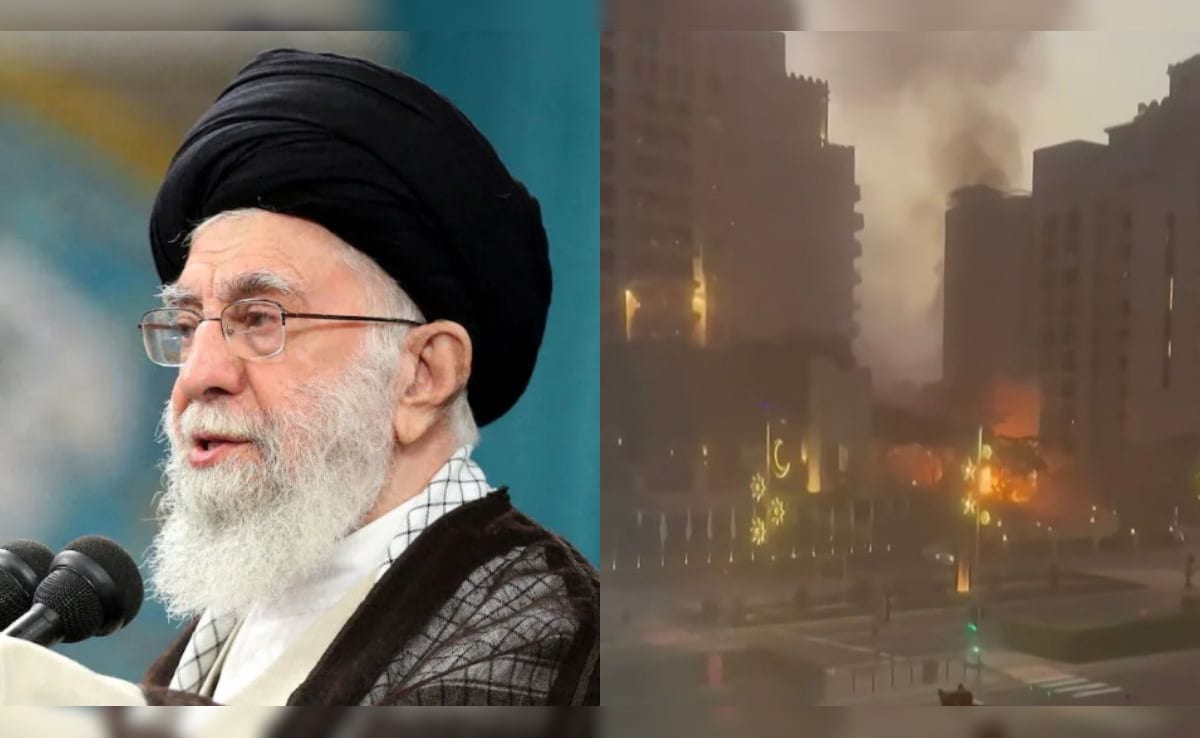
The air in Tehran usually carries the scent of exhaust and roasting saffron, but on that particular evening, it tasted like ozone and static. High above the Alborz Mountains, the stars were obscured not by clouds, but by the weight of a silence that felt heavy enough to crush bone. For decades, the name Ali Khamenei had been the heartbeat of a nation’s rigid internal clock. Then, the clock stopped.
He was gone.
The news didn't travel through a single megaphone; it leaked through the floorboards of every home in the Middle East like a rising tide. By the time the official mourners began to gather their black banners, the machinery of war was already coughing to life. There is a specific kind of panic that takes hold when a long-standing anchor is suddenly cut. Some people weep. Others reach for their triggers.
The Ghost in the Silo
Imagine a young technician named Elias—hypothetically, though he exists in a thousand different iterations across the region—standing in a concrete bunker somewhere in the salt deserts of Semnan. For Elias, the death of the Supreme Leader wasn't just a headline. It was a chemical shift in the room. In the vacuum left by a titan’s exit, the chain of command doesn't just bend; it vibrates.
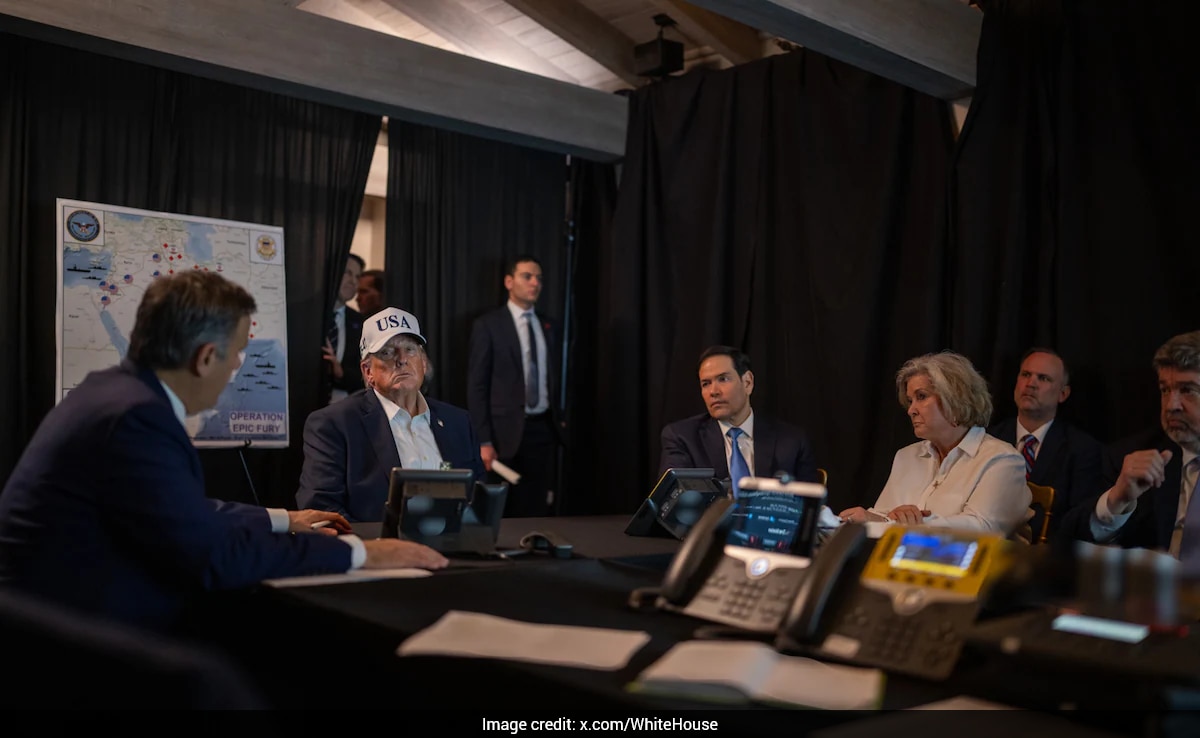
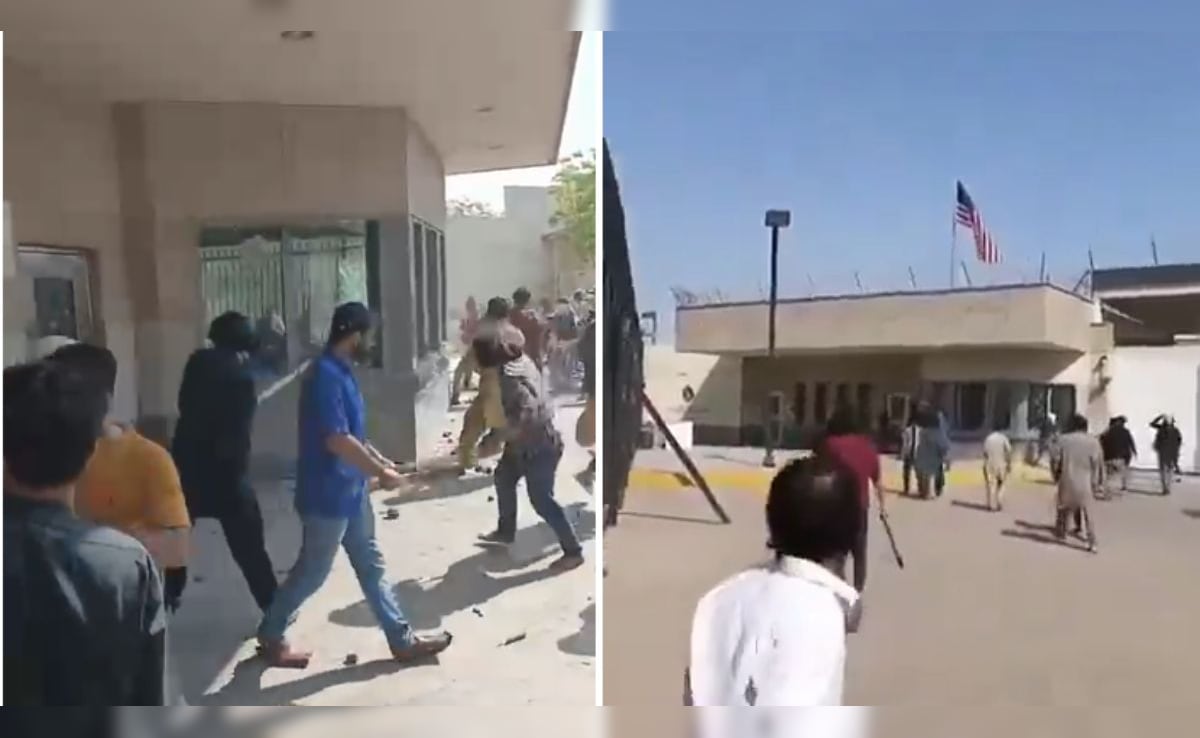
The standard reports will tell you that "fresh attacks" were launched on U.S. and Israeli bases within hours of the announcement. They will cite the number of drones, the trajectory of the ballistic missiles, and the estimated damage to hangar doors in the Negev or barracks in Iraq. But those numbers are bloodless. They hide the reality of what happens when a military apparatus decides to prove it is still alive by dealing out death.
The projectiles didn't launch because of a new policy. They launched because of a primal fear of appearing weak. In the world of high-stakes geopolitics, a funeral is the most dangerous time to look vulnerable. To the commanders in the Islamic Revolutionary Guard Corps (IRGC), the silence of a dead leader had to be filled with the roar of rocket engines. If the world thought Iran would stagger in its grief, the missiles were meant to be a terrifying corrective.
Physics of the Flash
When a Shahed-136 drone leaves its rail, it makes a sound like a lawnmower from hell. It is a low-tech, high-impact buzzing that can haunt a person’s dreams long after the explosion. These are not the sleek, silver jets of Hollywood movies. They are gritty, triangular wedges of fiberglass and explosives, guided by GPS coordinates that don't care about the history of the soil they land on.
Consider the physics of the "Base Attack." A missile battery in Western Iran fires. The projectile arches into the thin air of the upper atmosphere, a glowing coal tossed across the map. On the other side of the digital fence, in a darkened room in Tel Aviv or an operations center in Qatar, a radar screen begins to pulse.
- T-Minus 12 Minutes: The heat signature is picked up by a space-based infrared sensor.
- T-Minus 8 Minutes: Computations determine the arc. It isn't heading for a city; it's heading for a coordinate where young men and women are sleeping in reinforced containers.
- T-Minus 2 Minutes: The sirens begin.
That interval—those few minutes between the detection and the impact—is where the real story lives. It is the sound of boots hitting gravel as soldiers run for bunkers. It is the frantic heartbeat of a radar operator trying to distinguish a decoy from a warhead. It is the moment where technology and human terror collide.
The Weight of the Succession
The "why" is often more haunting than the "how." Why strike now, when the nation is supposed to be in a state of collective prayer?
History is a relentless teacher. When a regime built on the cult of a single personality loses that center, the edges start to fray. The various factions within Iran—the hardliners, the pragmatists, the shadowy intelligence directors—are suddenly playing a game of musical chairs where the music has stopped and there aren't enough seats.
Launching a strike against "The Great Satan" or "The Zionist Entity" is the ultimate political currency in Tehran. It’s a way for a general to say, I am the true heir to the flame. By lighting up the sky over Al-Asad Airbase or a remote outpost in the Golan Heights, these actors are voting with fire. They are making a claim to the throne using the only language they believe the West understands.
But there is a hidden cost to this theater. Every drone launched is a bridge burned. For the average citizen in Isfahan or Shiraz, the spectacle of a missile launch doesn't put bread on the table or fix a crumbling currency. It simply ensures that the cycle of isolation continues. The tragedy of the "fresh attacks" isn't just the physical damage to a concrete runway; it’s the systematic destruction of any hope for a different path forward.
The Algorithm of Escalation
We often talk about war as if it’s a chess match, but it’s actually more like a high-speed car crash in slow motion.
The U.S. and Israeli defense systems, like the Iron Dome or the Patriot batteries, are marvels of engineering. They use complex algorithms to "intercept" threats. A computer decides which incoming dot is the most dangerous and fires a counter-missile to turn it into a harmless shower of sparks in the sky.
But computers don't understand grief. They don't understand the desperate need of a grieving nation to lash out. They only see vectors and velocities. When Iran’s military leaders pushed the buttons in the wake of Khamenei’s death, they weren't just attacking a base. They were testing the limits of an automated system.
If too many drones are sent, the system "saturates." The brain of the defense network gets overwhelmed. It’s a digital version of a panic attack. This is the terrifying frontier of modern conflict: a world where a grieving general’s anger is processed through a silicon chip, resulting in a kinetic explosion that could trigger a third world war before a human even has time to say "stop."
The Morning After the Fire
As the sun rose over the ruins of the night, the smoke began to clear, revealing a changed world.
The Supreme Leader was still dead. The bases were still there, albeit scarred by shrapnel and blackened by fire. The "fresh attacks" didn't change the map. They didn't reclaim lost territory or bring back a fallen icon. What they did was solidify the shadows.
The soldiers who crawled out of the bunkers in the morning light looked at the sky with a new kind of weariness. They knew that the "retaliation" for the "retaliation" was already being calculated. In the halls of power, the spreadsheets were being updated. The cost of the missiles was weighed against the political gain of the headlines.
We tend to look at these events through the lens of "security analysis" or "foreign policy." We talk about "strategic depth" and "deterrence." But if you strip away the jargon, you are left with a much older and more human story. It is a story about the fear of being forgotten. It is about the violent tantrum of an old guard that knows its time is slipping away.
The missiles were never really about the bases they hit. They were a scream into the dark, a desperate attempt to prove that even without its heartbeat, the system could still bite.
Underneath the smoke, the people wait. They wait for a leader who doesn't need to burn the sky to prove he is powerful. They wait for a day when the sound of a drone overhead is just a memory of a more violent age. Until then, the cycle remains unbroken, fueled by the cold logic of machines and the hot, messy emotions of men who have forgotten how to live without an enemy.
The smoke eventually drifts away, but the smell of ozone lingers, a reminder that in the vacuum of power, the first thing to rush in is always the fire.