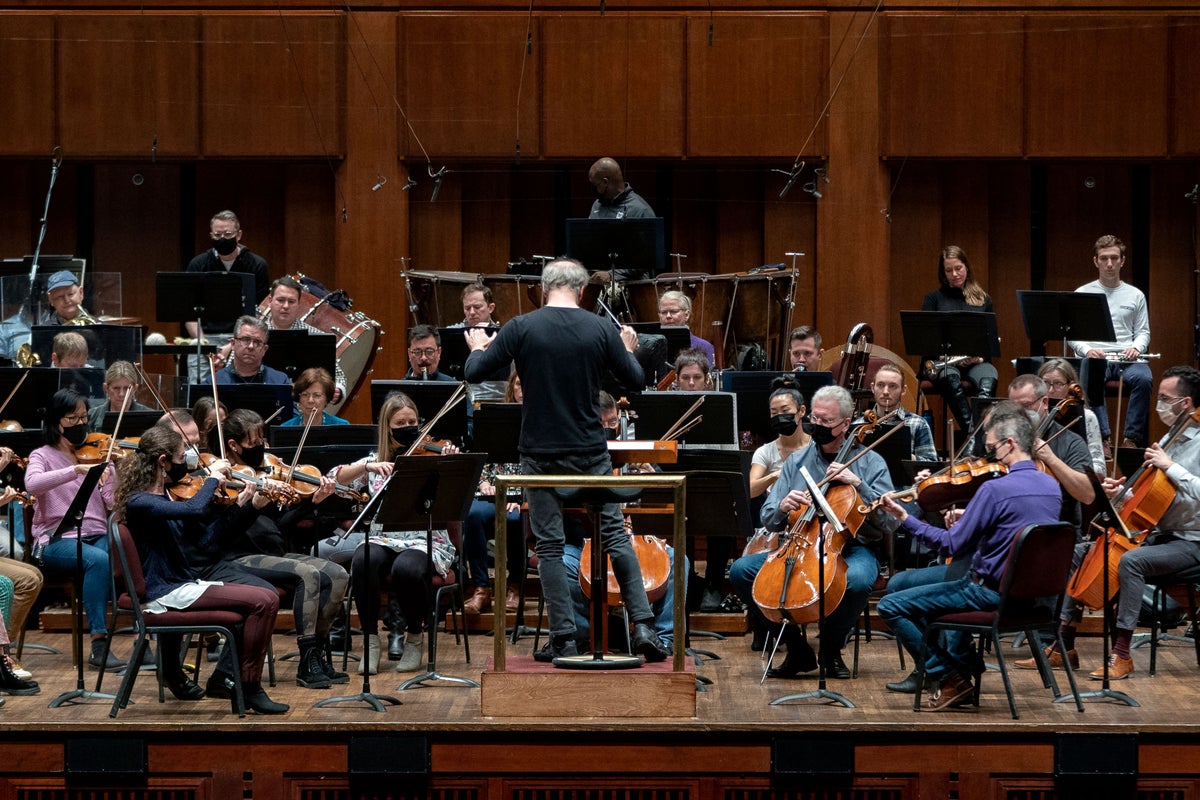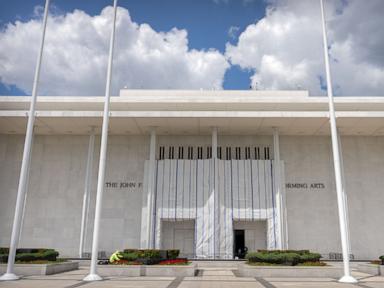
The concrete curves of the Kennedy Center were built to look like they are floating on the water, an architectural monument meant to defy gravity and anchor our highest cultural aspirations. On most evenings, the air around the grand foyer hums with the low, expectant chatter of patrons dressed in velvet and silk, waiting for the house lights to dim.
Right now, that building is holding its breath.
Behind closed doors, away from the glittering chandeliers and the red-velvet seats, a vote is looming. The board of trustees is preparing to decide whether the institution must take the unthinkable step of moving forward with closure. Not a temporary suspension for renovations. Not a scaled-back season. A shutdown.
To understand what that means, you have to step away from the balance sheets and walk into the rehearsal rooms where art is born out of sweat, repetition, and quiet desperation.
The Weight of a Monument
Imagine a violinist who has spent thirty years perfecting a single concerto, only to find the hall dark and the doors padlocked. That is the reality creeping up on the musicians, stagehands, ushers, and administrative staff who treat the Kennedy Center not merely as a workplace, but as a cultural cathedral.
When a national cultural landmark faces the precipice of closure, the immediate reaction from the public is disbelief. How could a sanctuary bearing the name of a fallen president, a living memorial funded by Congress and private citizens alike, run out of road?
Money, of course. But money is always just the symptom. The disease is a fundamental shift in how we value shared spaces of wonder in an increasingly fractured world.
For decades, the Kennedy Center operated on a delicate, unspoken social contract. It was supposed to be a place where the nation gathered to see its own reflection—through ballet, jazz, theater, and symphonic masterpieces. It was a stage grand enough to hold the ambitions of the world, yet intimate enough to make a single violin note resonate in the back row of the balcony.
Yet, as operational costs swell and post-pandemic attendance patterns stubbornly refuse to return to pre-2020 rhythms, the math has turned brutal. Fixed costs do not care about artistic legacy. Air conditioning a multi-theater complex on the banks of the Potomac River costs millions. Maintaining aging infrastructure requires capital that ticket sales alone cannot cover.
When the board sits down to vote, they are not just balancing a ledger. They are deciding how much a society is willing to pay for its soul.
The Human Cost Behind the Closed Curtains
Let us talk about Elena.
Elena is hypothetical only in name, but her footsteps echo in every corridor of the building. She is a veteran stage carpenter with thirty-five years of union experience. She knows every creak in the rigging system of the Opera House. She knows how to drop a heavy scrim silently in the dark. To Elena, the Kennedy Center is a clockwork ecosystem that demands absolute precision.
When she heard the rumors of a potential shutdown, she did not panic. She simply kept working. That is what professionals do when the ground is shaking beneath them. They tighten the bolts. They check the lines.
"If this place goes dark," she might tell you, wiping graphite dust from her hands, "it doesn't just mean I don't have a shift next Tuesday. It means the heartbeat stops. You can't just restart a culture like flipping a circuit breaker."
She is right. A cultural institution is not a retail store that can close its doors for a remodel and reopen with a fresh coat of paint. Once the musicians scatter to other orchestras, once the resident ballet dancers find contracts in different cities, once the specialized artisans who maintain vintage theatrical equipment disperse, the institutional knowledge vaporizes.
Rebuilding a physical structure takes concrete and steel. Rebuilding a living, breathing artistic ecosystem takes generations.
The Anatomy of a Crisis
How did we get here?
The crisis facing the Kennedy Center is not an isolated incident. It is the epicenter of a national tremor shaking performing arts centers from coast to coast. Subscription models are dying. Audiences have grown accustomed to the frictionless convenience of streaming entertainment from their couches, where a ticket costs the price of a monthly subscription and there is no parking fee.
Simultaneously, government funding has failed to keep pace with inflation, and donor fatigue is real. Philanthropic dollars are being pulled in a thousand different directions by competing global and domestic emergencies.
When you combine shrinking revenue streams with the immense overhead of running a colossal, multi-venue arts complex, you hit a financial wall. The board is staring directly at that wall.
The vote on whether to move forward with closure is the ultimate collision between fiscal reality and cultural preservation. If they vote yes, they signal to the world that even the crown jewels of American arts are vulnerable to economic gravity. If they vote no, they gamble on finding an emergency infusion of capital that may or may not materialize.
There is no comfortable middle ground. There is no clever marketing campaign that can bridge a multimillion-dollar operational deficit overnight.
What Happens When the Lights Go Out?
Consider what happens next if the doors actually lock.
The immediate silence would be deafening. The National Symphony Orchestra would find itself without a permanent home. The Kennedy Center Honors, that televised glittering celebration of lifetime achievement in the arts, would lose its physical anchor. The education programs that bring thousands of children through the doors every year to experience their first live orchestra performance would go dark.
Beyond the prestige, think of the local economy. The restaurants in Georgetown and downtown Washington that rely on pre-theater diners. The hotels that book rooms for out-of-town tourists coming in for a weekend festival. The tax revenue, the employment, the vibrant hum of a capital city at night—all of it takes a direct hit.
Art is often dismissed as a luxury until it is gone. Then, its absence feels like a physical ache. It is the intangible glue holding communities together, giving shape to grief, joy, and political dissent.
The Choice Before Us
The vote before the Kennedy Center board is a mirror held up to our national priorities. It forces us to ask a deeply uncomfortable question: Are we willing to watch our grandest cultural institutions wither away under the banner of fiscal pragmatism, or are we prepared to fight for them with the same fierce urgency we reserve for economic infrastructure?
The river outside continues to flow, indifferent to human anxieties. The concrete curves stand tall against the skyline, glowing under the evening lights. Inside, the decision waits.
When the votes are cast and the outcome is sealed, the echo will reverberate far beyond the banks of the Potomac. It will tell us whether we are a society that builds monuments to human creativity, or one that quietly lets them fade into the dark.