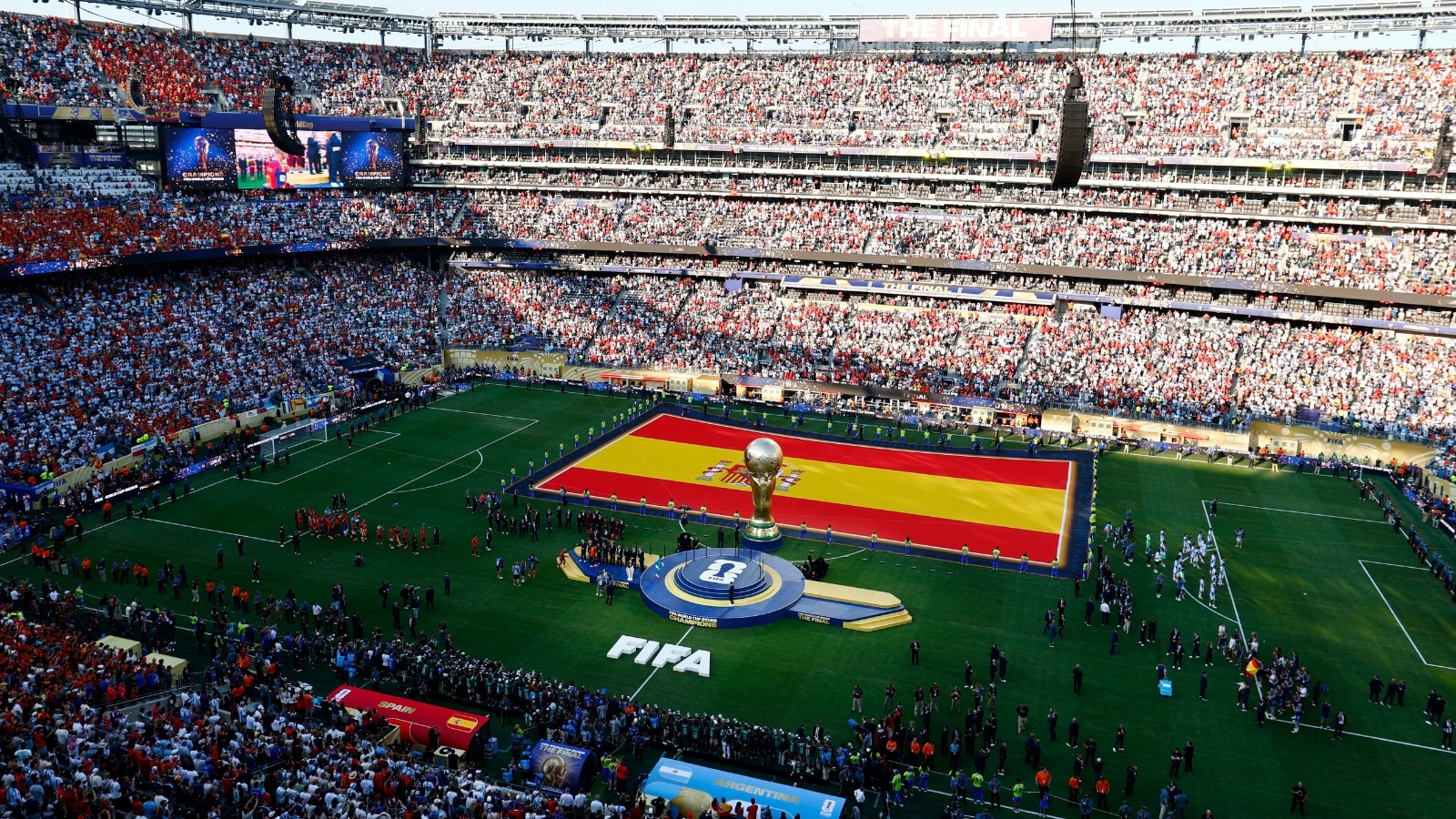
The roar inside MetLife Stadium didn't stop all at once; it evaporated, section by section, like heat rising off asphalt after a midsummer downpour.
Ninety-plus minutes of pure, unadulterated chaos had finally settled. The grass, chewed up by ninety-six hours of frantic boots and desperation, lay quiet under the blinding glare of a hundred television spotlights. On the field, men who had run themselves into hallucinations sat slumped on the turf. Some stared at their socks. Others wept into towels so soaked in sweat they added weight to the sorrow.
In the press box, keyboards clattered with frantic urgency. Reporters raced to send home the clinical details: the final score, the possession percentages, the pristine ledger of official accolades. The Golden Ball. The Golden Boot. The Golden Glove.
Lists, essentially. Cold, neat lists that reduce six weeks of blood, bone, and impossible pressure into neat little rows of text.
But if you were standing near the tunnel—where the air smelled of stale beer, deep-heat rub, and copper—you knew those trophies weren't just metal plated in gold. They were scars. They were monuments to the absolute limit of what a human body can endure before it snaps.
The Burden of the Gold
To understand what it means to win the Golden Ball—the award given to the tournament's absolute best player—you have to understand the terrible isolation of modern superstardom.
Think of the player who carried his country on his back through six exhausting matches. Let's call him the Captain. He didn't just play soccer; he managed the psychological oxygen of forty million people back home. Every time he touched the ball, an entire nation held its breath. Every time he missed a pass, the collective groan was loud enough to shake windows in cafes three thousand miles away.
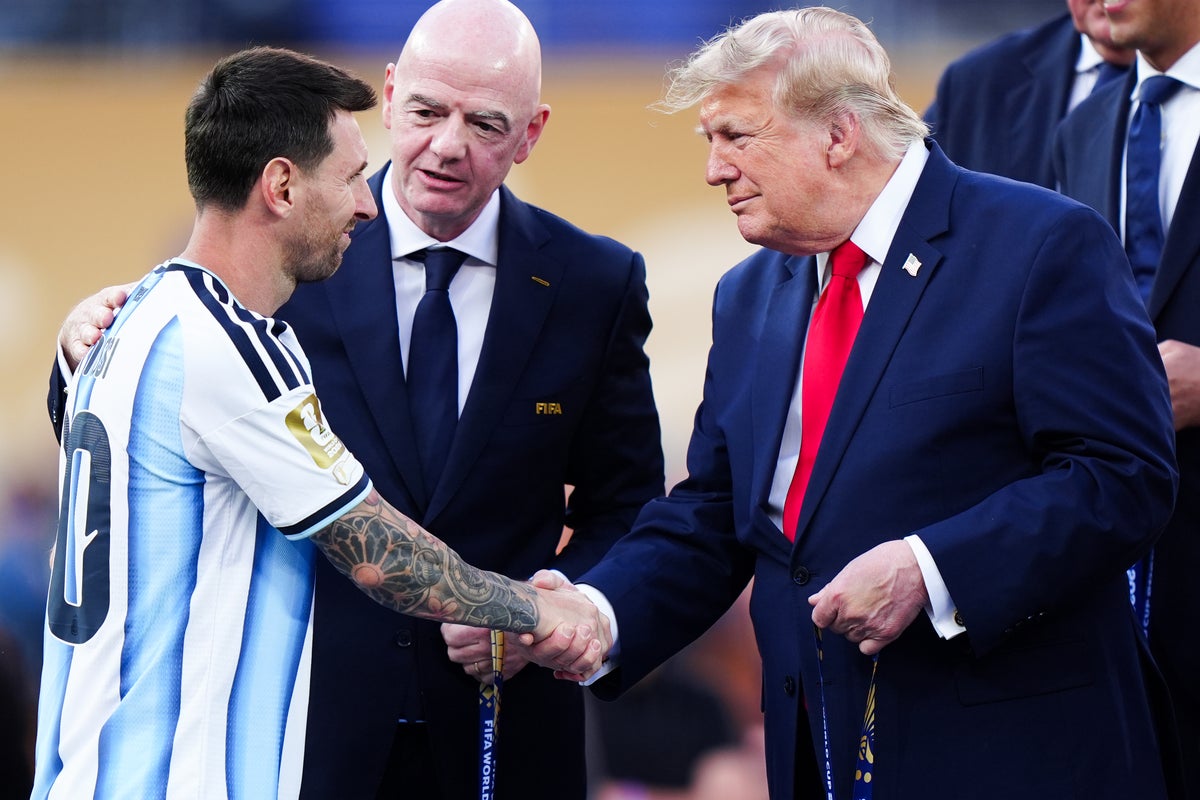
By the time the final whistle blew in the 2026 final, the Captain had logged over six hundred minutes on the pitch across four different time zones. His hamstring felt like a frayed guitar string stretched past tuning. When they draped the medal around his neck and handed him the Golden Ball, he didn't leap for joy. He hoisted it with two hands, his biceps trembling under the weight, his eyes wide and hollow.
The statistics will tell you he scored six goals and provided four assists. They will tell you he completed eighty-eight percent of his passes in the final third.
What the statistics won't tell you is that during the halftime break of the quarterfinal, he sat in a dark bathroom stall with his head between his knees, taking deep breaths from an oxygen canister just to stop the room from spinning. They won't tell you about the painkiller injections swallowed down with lukewarm sports drinks, or the way his young son didn't recognize him through the TV screen because his face was drawn so tight with exhaustion.
The Golden Ball isn't just an award for excellence. It's an invoice for the soul.
Seven Seconds in the Box
Then there is the Golden Boot, handed to the tournament's top scorer.
People who don't watch the game closely think goalscorers are artists. They imagine poetry in motion, graceful arcs, perfect curling shots into the top corner. Sometimes that happens. But mostly, winning the Golden Boot is an exercise in violent, calculated blue-collar labor.
Consider the striker who claimed the boot in 2026. He spent seventy-five percent of his tournament getting smashed in the back of the head by six-foot-four center-backs who smelled like mint gum and hostility. He spent entire forty-five-minute halves running full sprint into dead ends, acting as a human decoy so his teammates could find a breath of space.
His winning goal—the seventh of his tournament—wasn't a masterpiece. It was an accident of pure willpower. A deflection off a defender's knee, a frantic scramble in a crowded six-yard box, and a desperate, lunging toe-poke that scraped the inside of the post before trickling across the white line.
One inch to the left, and the ball hits the post and bounces clear. One inch to the left, and he goes home a tragic figure, another name buried in the footnotes of international sports history.
That is the margin between eternal glory and total obscurity in global sports: the width of a human thumb.
When he raised that golden shoe above his head, he didn't look like a hero in a movie. He had a black eye from a collision in the semifinals and a split lip that bled every time he smiled. He looked like a man who had just survived a building collapse and was surprised to find his keys still in his pocket.
The Invisible Shields
We rarely talk about the awards that don't make the front page above the fold.
The Golden Glove—awarded to the tournament's top goalkeeper—is perhaps the most brutal prize in all of athletics. A striker can miss five open nets, score one late winner, and be heralded as a genius. A goalkeeper can make nine miraculous saves, misjudge one floating cross in the eighty-ninth minute, and face death threats on social media before he even gets back to the team bus.
To win the Golden Glove is to spend a month living on the razor's edge of paranoia.
In 2026, the keeper who took home the brass gloves spent the entire tournament looking like a man standing on a tightrope over an active volcano. In the round of sixteen, he stopped three penalties in a shootout that felt less like a sporting event and more like a psychological thriller written by a sadist. By the time the final match ended, his knuckles were bruised purple, his shoulders locked in perpetual tension.
When his name was announced over the loudspeaker, he didn't pump his fist. He simply walked to the podium, picked up the trophy, and held it close to his chest like a mother holding a feverish child.
And then there are the young players—the kids nineteen or twenty years old who enter the tournament as relative unknowns and leave as global phenomena. The Best Young Player award is a gilded doorway, but it opens into a room filled with tigers. The moment that trophy touches their hands, their childhoods are officially over. The expectation machine eats them whole.
The Echoes in the Tunnel
Hours after the confetti had been swept into gray plastic bags and the stadium lights were dimmed to a dull, amber hum, the corridor beneath the stadium remained alive with whispers.
The list of winners was already live on every sports website on earth. Thousands of words had been published analyzing tactics, heat maps, and Expected Goals metrics. The numbers were locked in the vault of history.
- Golden Ball: The Mastermind who gave everything until there was nothing left.
- Golden Boot: The Scrapper who turned chaotic scraps into immortal moments.
- Golden Glove: The Wall who bore the terrifying weight of zero mistakes.
- Best Young Player: The Prodigy whose life will never be quiet again.
It is easy to look at those titles and see smooth, shining marble. It is easy to think of the men who won them as video game characters with maximum stats, immune to the cold, the heat, and the crushing anxiety of an audience numbering in the billions.
But if you stood in that quiet tunnel long enough, you saw the reality.
You saw the Golden Ball winner sitting on an overturned equipment trunk in his socks, eating a cold slice of pepperoni pizza while tears silently traced lines through the dried mud on his cheeks. You saw the Golden Boot winner carefully wrapping his trophy in a plain cotton t-shirt before placing it inside a battered duffel bag, as if he was afraid someone would realize a mistake had been made and take it back.
The World Cup doesn't create heroes out of thin air. It simply takes ordinary human beings, places them inside an absolute furnace, and sees what is left when the fire finally dies down.