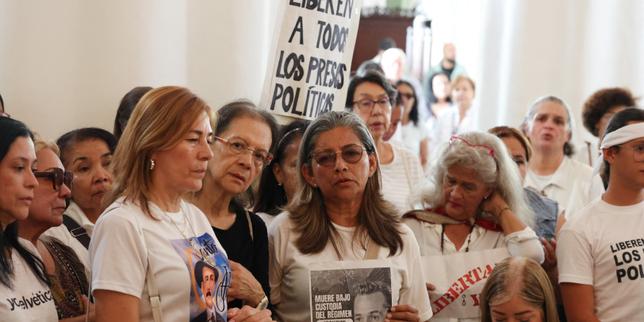
The headlines look like a breakthrough. Venezuela announced it will free 300 prisoners by Friday, May 22, 2026. National Assembly President Jorge Rodríguez made the declaration during a tense legislative session in Caracas. He insisted the government is not asking for anything in return.
Don't buy the altruism. This is a targeted political maneuver.
The announcement comes at a chaotic moment for the interim administration led by acting President Delcy Rodríguez, who took over after the US military intervention ousted Nicolás Maduro in January. While the government frames this as a sweeping humanitarian gesture, the reality on the ground tells a messy story of systemic dysfunction, international pressure, and families who are tired of being handled like chess pieces.
The Tragic Subtext of the Friday Deadline
You can't separate this sudden rush to open cell doors from the scandal currently rocking Caracas. The acting president faces immense scrutiny over the recent in-custody death of Víctor Hugo Quero, a 51-year-old salesperson locked up since January 2025.
Quero was a political prisoner in everything but name. He died in July under murky circumstances, but officials hid his death for nearly ten months. His 82-year-old mother, Carmen Navas, spent those months wandering through tribunals and prisons, begging for proof of life. The state finally admitted he was dead just days ago. Distraught and broken, Navas passed away on Sunday and was buried the very day the new mass release was announced.
The public anger is palpable. People see the timing. This sudden rush to free 300 people looks like a direct strategy to control the narrative and suppress a growing domestic backlash.
Who Actually Gets to Leave
The state carefully avoids the term political prisoners. They claim these detainees committed actual crimes. Human rights organizations, including Foro Penal, know better. The list of 300 individuals slated for release includes:
- Three police officers detained since 2003.
- Elderly prisoners over the age of 70.
- Detainees with severe, chronic medical conditions.
Jorge Rodríguez left it ambiguous whether these individuals fall under the formal amnesty law passed back in February. That amnesty law was meant to clear out facilities like El Helicoïde, a notorious detention site that Delcy Rodríguez promised to shut down in January. Yet, months later, dozens of dissidents remain trapped inside its walls.
The Reality of the Revolving Door
If you think these 300 people will walk out into complete freedom, you don't understand how the Venezuelan judicial system operates. Releases under this administration usually come with heavy strings attached.
Most former detainees are slapped with strict alternative measures. They can't speak to the media. They are banned from leaving the country. They have to show up at a courthouse every 30 days to sign a ledger. It is conditional freedom.
Activists call it the revolving door policy. The regime lets a few hundred people out to appease Washington and secure sanction relief from the Trump administration, then arrests a new batch of activists the following month to maintain control. It keeps the opposition permanently off-balance.
Washington Is Watching closely
The international stakes are incredibly high. Delcy Rodríguez has been walking a tightrope since January, trying to project an image of reform while maintaining the state's grip on power. Donald Trump has repeatedly bragged about controlling the situation in Venezuela, and the US has slowly eased economic sanctions in response to these structural tweaks.
But the domestic opposition isn't satisfied with piecemeal releases. Figures like María Corina Machado and Edmundo González are pushing for definitive, transparent presidential elections, not just administrative reforms. They argue that releasing sick or elderly prisoners does not equal a democracy.
What Happens Next
Watch the actual release numbers through Friday. The government has missed these self-imposed deadlines before. In February, family members waited outside prisons for days after Jorge Rodríguez promised quick action, only for the legislative debates to be abruptly postponed.
If you have family members currently detained in Venezuela, keep close coordination with local human rights legal clinics. Do not rely solely on state announcements. Document every legal notification, coordinate with independent non-governmental organizations to verify names on the daily release lists, and prepare for the restrictive probation terms that will likely accompany their release. True judicial reform in Venezuela is still a long way off.