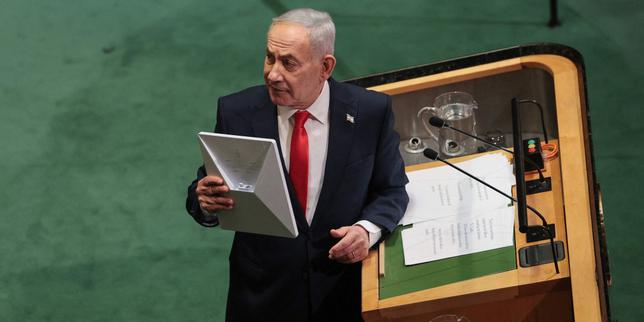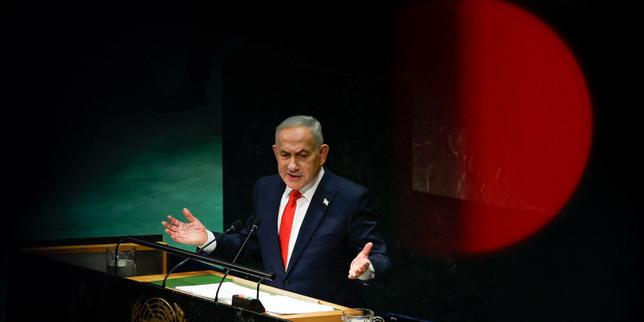
Diplomatic theater reached a fever pitch at the United Nations General Assembly when dozens of delegates stood up and walked out of the hall just as Israeli Prime Minister Benjamin Netanyahu stepped up to the podium. Empty seats greeted the Israeli leader, transforming what is supposed to be a supreme forum for global consensus into a vivid illustration of deep international division.
If you watched the broadcast, you saw the mass exodus. Diplomats from nations spanning the Middle East, Europe, and beyond cleared their rows before a single word of the address could be formally unpacked. Netanyahu didn't mince words about the empty chairs. He fired back immediately, calling out remaining critics and targeting the very concept of international legal pressure against his government. For a different look, read: this related article.
Addressing the Accusations of Colonialism
The core of Netanyahu's defense revolved around an aggressive counter-attack on critics who accuse Israel of colonialism. Addressing the assembly, he pushed back hard against the term.
"They accuse Israel, the minuscule Israel, of colonialism, quel colonialisme?" he exclaimed from the rostrum. Pointing directly at Western nations like Great Britain and France, he argued that countries historically responsible for global empires were in no position to level such charges. "Bon sang, ce sont eux qui ont inventé le terme!" he stated, reminding the room that historic Western colonies once spanned the entire globe. Related coverage on this trend has been shared by Al Jazeera.
This rhetoric exposes a profound strategic maneuver. By shifting the historical spotlight onto European imperialism, the Israeli administration attempts to delegitimize the language used by human rights advocates and international bodies. Yet, this defense sidesteps the modern legal definitions under international law regarding occupied territories and settlement expansion in the West Bank. Critics argue that historical comparisons do nothing to address contemporary realities on the ground.
The Global Fallout and Empty Benches
The walkout wasn't a spontaneous outburst; it was a coordinated diplomatic snub. Delegations representing countries such as Türkiye, Saudi Arabia, Qatar, Pakistan, and Indonesia emptied out swiftly. For these nations, remaining in the room would signal tacit approval of ongoing military campaigns in Gaza and escalating violence across the West Bank.
At the same time, supporters in the visitor galleries filled the acoustic void with applause during key applause lines. This stark contrast inside the General Assembly hall highlights a fractured multilateral system. The UN has increasingly become a theater of symbolic exits rather than negotiated breakthroughs. When major states refuse to even listen to opposing heads of government, the utility of international diplomacy faces a severe stress test.
Beyond the colonialism debate, Netanyahu used his platform to widen the scope of his address. He took direct aim at Turkish President Recep Tayyip Erdoğan, labeling him a tyrant and accusing him of harboring militant groups. Ankara shot back almost immediately, dismissing the claims as baseless propaganda designed to distract from the humanitarian crisis in Gaza. Similar sharp exchanges targeted Qatar's mediation efforts and regional actors like Iran.
What This Means for Future Diplomacy
The scenes in New York prove that the diplomatic chasm over the Middle East is widening rather than closing. Traditional norms of diplomatic courtesy are breaking down under the weight of active conflict. When leaders use the UN General Assembly primarily as a megaphone for base mobilization rather than cross-border dialogue, finding a path toward conflict resolution gets harder.
The real question isn't whether verbal sparring at the UN will stop. It's whether international institutions retain any capacity to alter facts on the ground when member states treat each other with such open disdain. As walkouts become the default mode of protest, global governance looks less like diplomacy and more like permanent deadlock.
Delegates walk out as Netanyahu begins his UN speech
This footage captures the moment numerous diplomats stood up and left the General Assembly hall in protest as Benjamin Netanyahu took the stage.