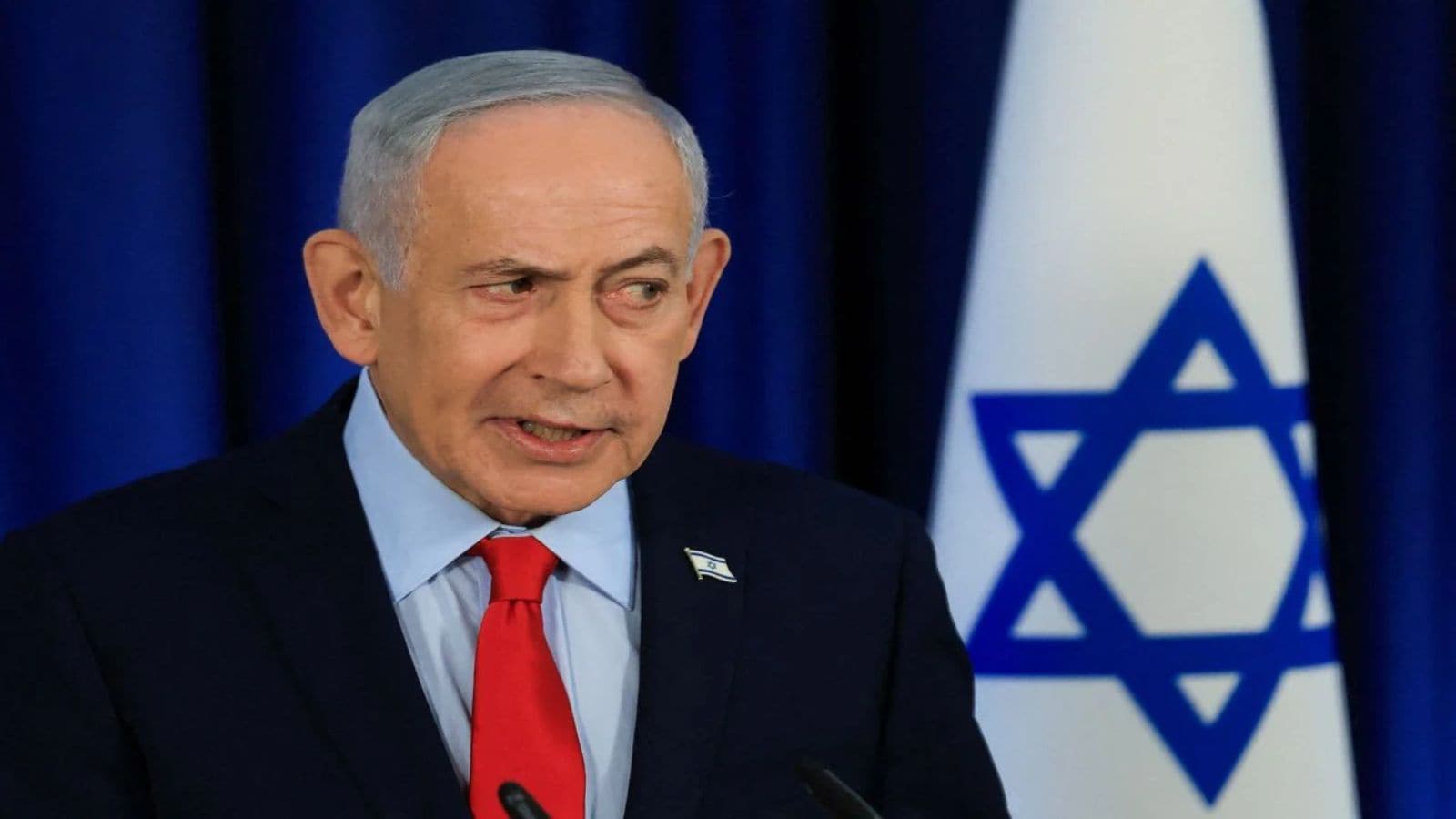
Israeli Prime Minister Benjamin Netanyahu has extended invitations to Indian Prime Minister Narendra Modi and Captain Smit Machchhar to light a torch during Israel’s Independence Day celebrations, a symbolic move that binds high-level statecraft to individual human courage. In diplomatic theater, few gestures carry as much weight as placing a foreign leader and a citizen-mariner at the center of a national founding ritual. The invitation signals that ties between New Delhi and Jerusalem have moved far beyond transactional defense deals and intelligence sharing into deliberate cultural and public diplomacy. Yet beneath the ceremonial warmth lies a calculated alignment of interests shaped by regional instability, maritime security, and domestic political optics in both capitals.
Independence Day torch-lighting ceremonies on Mount Herzl in Jerusalem are not casual events. They are curated national narratives designed to project resilience, sacrifice, and identity to both domestic audiences and international observers. When a host government invites a foreign head of state alongside a recognizable individual figure like Captain Smit Machchhar, it sends a message that the partnership is rooted in shared values and real-world grit rather than mere paper agreements.
The Mechanics of Symbolic Diplomacy
Foreign policy analysts often treat ceremonial invitations as fluff. They are wrong. Protocol is policy by other means, especially in regions where every gesture is scrutinized for hidden signals.
Consider how bilateral ties between India and Israel evolved over three decades. Full diplomatic relations were established in 1992, but for years both countries practiced what observers called "quiet engagement." Governments avoided overt public displays out of sensitivity to domestic constituencies, regional neighbors, and broader multilateral dynamics. That caution has steadily given way to public embrace, visible visits, and joint branding.
By inviting PM Modi and Captain Smit Machchhar to participate in the torch-lighting tradition, Netanyahu is attempting to lock in that public shift. A torch represents continuity and light in darkness, themes that resonate deeply in a country accustomed to security threats and shifting geopolitical winds. Pairing a towering political leader with an individual figure creates a dual narrative: state-to-state power meets human agency.
To understand the mechanics of this move, it helps to look at how modern governments stage soft power. It is rarely accidental. Protocol teams, communications advisors, and foreign ministries map out who stands where, who speaks, and which cameras capture the moment. Every frame is meant to travel across television broadcasts and social media feeds in both Hebrew, English, and Hindi.
Ceremonial moments do not replace hard power or treaties, but they create the emotional permission structure that makes deeper cooperation easier to defend at home.
Still, optics alone do not sustain an alliance. When diplomatic theater outpaces concrete policy, critics quickly call it spin. The real test of any invitation is what happens in the months after the cameras pack up.
Why Now and Why These Figures
Timing in international politics is rarely coincidental. A prime minister in Jerusalem operates inside a complex domestic coalition and an unforgiving regional environment. A prime minister in New Delhi balances strategic autonomy, economic growth, neighborhood pressures, and global influence.
When Netanyahu reaches out to Modi, he is courting one of the world’s most consequential leaders. India’s economic scale, technological talent pool, and diplomatic reach make it an indispensable partner for a country looking to diversify its international relationships. For Jerusalem, closer public ties with New Delhi demonstrate that Israel remains a sought-after partner capable of working with major powers outside its immediate neighborhood.
Including Captain Smit Machchhar adds a distinct human texture to the equation. In state ceremonies dominated by speeches and security motorcades, a real person with a concrete story breaks through the monotony. Whether a figure is recognized for maritime service, rescue work, technical skill, or resilience under pressure, their presence reminds audiences that international relations eventually touch individual lives, trade routes, and sailors on open water.
Let’s look at a hypothetical example to see how individual stories shape public perception. Suppose a commercial vessel faces a crisis at sea, and mariners from different backgrounds coordinate under intense stress to save lives or cargo. News coverage of that event does more to humanize international cooperation than a ten-page communique ever could. Even when a ceremony is staged on land, bringing an operational or maritime figure into the spotlight ties diplomacy back to tangible human effort.
| Dimension | Traditional Quiet Diplomacy | High-Visibility Ceremonial Diplomacy |
|---|---|---|
| Primary Audience | Diplomats, defense officials, insiders | Domestic voters, international media, diaspora communities |
| Core Risk | Under-communicating real achievements | Over-promising and facing backlash if events shift |
| Key Mechanism | Back-channel talks and quiet agreements | Public symbols, joint appearances, shared narratives |
| Strategic Value | Stability without headlines | Legitimacy, brand building, political momentum |
Both approaches carry trade-offs. Quiet diplomacy protects sensitive negotiations from political noise, while high-visibility gestures build public familiarity and momentum. Smart leaders use both, though misjudging the mood of either audience can turn a planned triumph into a distraction.
Maritime Routes and Strategic Realities
Behind the symbolism of Israel’s Independence Day lies a harder truth about geography and trade. Both India and Israel depend heavily on secure maritime corridors and reliable supply chains. Disagreements or disruptions in key waterways do not stay confined to local headlines; they raise shipping costs, delay components, and test naval readiness.
Over the past several years, connectivity projects, port investments, and maritime security discussions have gained prominence between partners across the Middle East and South Asia. While grand corridor blueprints often move slower than press releases suggest, the underlying logic remains stubbornly practical. Goods need safe passage. Energy and technology need resilient transit.
A mariner like Captain Smit Machchhar naturally evokes the sea, distance, and practical seamanship. In an era where supply chain shocks are no longer theoretical, anyone who understands navigation, logistics, and risk at sea represents a skill set that modern economies cannot afford to take for granted.
Yet there are limits to what ceremonial recognition can solve. Invitations to light a torch do not lower freight insurance rates, resolve regional conflicts, or eliminate bureaucratic friction at ports. Hard security and economic integration require sustained operational work, clear rules, and mutual reliability when things go wrong.
Domestic Politics and the Risk of Overreach
Every foreign policy move casts a shadow back home. In both Israel and India, leaders govern in environments where foreign affairs are closely watched by supporters and opposition alike.
For Netanyahu, hosting or honoring prominent figures during a flagship national event reinforces an image of global reach and diplomatic centrality. Supporters view such outreach as proof that Israel is not isolated and continues to cultivate major partnerships. Skeptics, however, often ask whether ceremonial milestones distract from pressing domestic debates, governance challenges, or unresolved security questions.
For Modi, engaging warmly with Israel fits into a broader pattern of multi-alignment, where New Delhi maintains active ties across competing power centers without surrendering its independent voice. That balancing act has earned praise from pragmatists who see it as realistic statecraft. At the same time, it invites scrutiny from domestic critics and foreign observers who watch how India manages its relationships across the broader Middle East.
There is also a practical logistical question that veteran observers always keep in mind: scheduling and security. High-level invitations are issued with genuine intent, yet real-world events—regional escalations, legislative calendars, health issues, or shifting security demands—can complicate travel or alter formats on short notice. When a high-profile invitation is announced publicly, expectations rise immediately. If plans change, even for completely valid reasons, commentators will dissect every detail.
That reality underscores why seasoned analysts look past the headline announcement. The invitation itself is a signal of intent, not a guarantee of a finished script.
What Serious Observers Should Watch Next
If you want to separate genuine strategic depth from fleeting political theater, ignore the flowery adjectives in official statements and track concrete follow-through.
First, watch the substance behind the symbolism. Are new agreements in agriculture, water technology, defense manufacturing, artificial intelligence, or maritime logistics actually moving from memoranda of understanding to signed contracts and joint projects? Declarations of friendship are cheap; budgets and implementation schedules tell the truth.
Second, pay attention to how public messaging plays out in both countries. Does the story of Captain Smit Machchhar, PM Modi, and Israel’s Independence Day resonate organically with ordinary citizens, or does it feel forced? Authentic public diplomacy connects with real interests—jobs, security, innovation, and mutual respect—rather than relying solely on political slogans.
Third, watch how external pressures test the relationship. Partnerships are easy to celebrate during calm periods. They prove their worth when regional tensions flare, global markets wobble, or domestic politics grow contentious.
Ultimately, inviting a foreign prime minister and a figure like Captain Smit Machchhar to share in a national torch-lighting ceremony captures the essence of modern statecraft: a blend of ancient symbolism, strategic calculation, and human story. Watch what policies and partnerships follow once the flame is lit.