Salt crusts on the windshield of a tanker inching through a channel narrower than ambition. The heat is not merely a temperature; it is a weight that flattens the lungs, pressing down from a brassy sky onto twenty miles of green-black water.
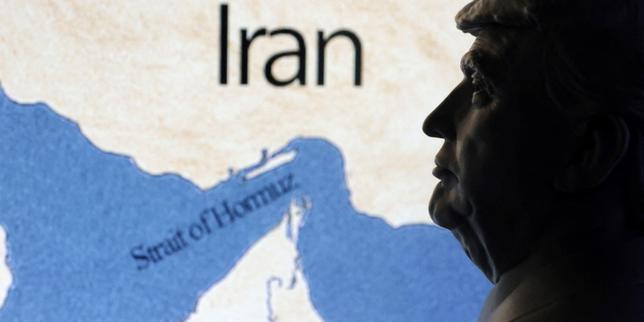
Far away in a sterile, temperature-controlled room, a map glows on a screen. A cursor hovers over a thin blue thread on the Persian Gulf. Someone clicks. Someone renames a liquid highway.
Geography is stubborn. Water does not care about executive orders. Yet symbols have their own gravity, pulling hard at the men who watch the horizon for smoke.
The Chokepoint of Empire
Imagine standing on the bridge of a massive crude carrier, though you do not need to imagine if you have ever tasted the metallic grit of the Strait of Hormuz in August. It smells of sulfur, bunker fuel, and ancient dust blowing off the Zagros Mountains.
Every single day, roughly a fifth of the world's petroleum passes through this maritime bottleneck. It is a narrow throat of the ocean, flanked by Iran to the north and Oman to the south. If the world economy were a human body, this strait would be the carotid artery. A twitch here sends a shockwave to gas pumps in Ohio, Tokyo, and Frankfurt within hours.
Captains crossing these waters keep their AIS transponders glowing, their crews whispering over cheap coffee in the galley, watching the grey hulls of the Iranian Revolutionary Guard skimming across the chop. They do not talk about politics. They talk about draft depth, clearance, and the exact coordinates where international law blurs into a contested zone.
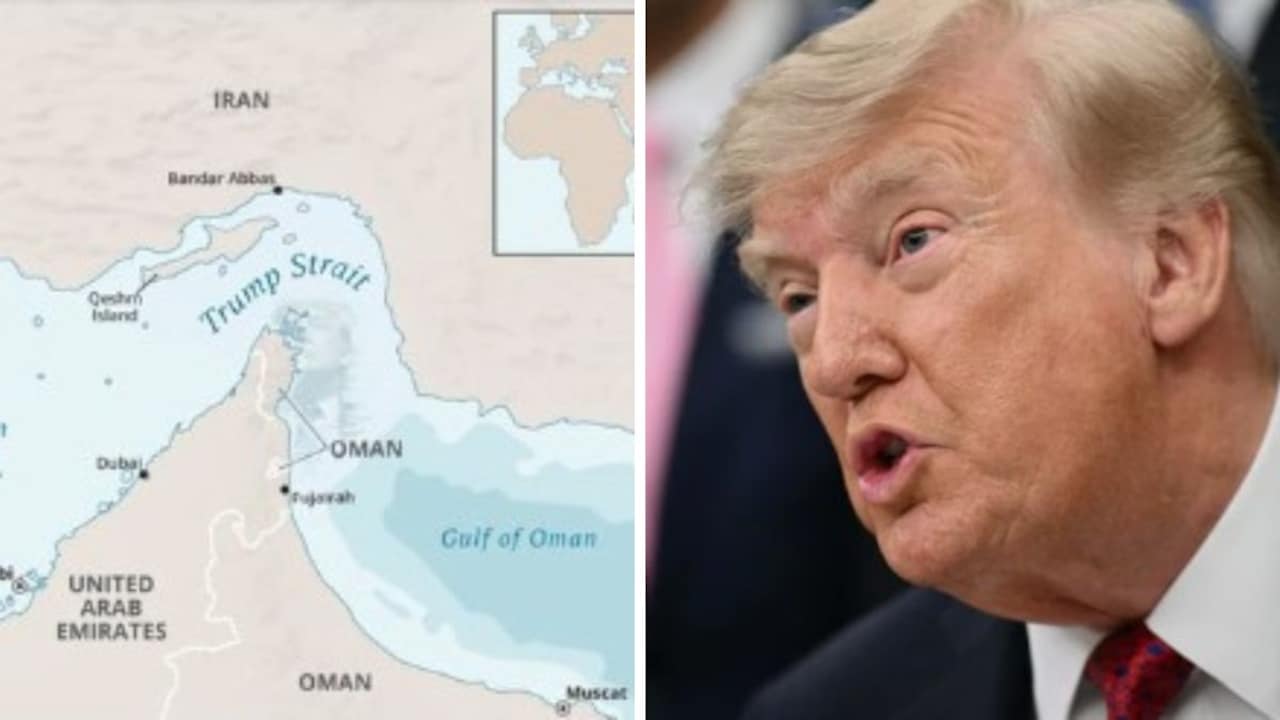
When a government thousands of miles away decides to stamp a new moniker onto this liquid passage—suggesting it bear the name of a sitting American president—the ripple hits the bridge instantly. It is not just a joke or a cable news chyron. It is an escalation of vocabulary.
Ink and Iron
Words are cheap until they are carved into brass plates and painted on the sides of patrol boats.
Consider what happens next in the quiet operations rooms of regional navies. Analysts adjust their whiteboards. Diplomats in Geneva reach for cold water and heavier briefcases. The renaming of a geopolitical flashpoint is never just about letters on a chart. It is a claim of ownership written in the syntax of dominance.
For decades, this channel has carried the delicate, lethal cargo of global energy. The names attached to it have always been historical echoes—Hormuz, derived from an ancient island kingdom, steeped in centuries of spice routes, pearl divers, and empire collapses. To drop a modern, domestic political moniker onto such an ancient fault line is to paste a neon sticker over a geological scar.
The absurdity of it strikes anyone who has ever navigated these swells. The water is indifferent. The tides care nothing for Washington or Tehran. They rise and fall according to the moon, dragging tankers through the same salt-choked air regardless of what the charts are commanded to call it.
The Weight on the Horizon
Down on the deck, the deckhands do not care about the White House press briefing. They care about the radar screen. They care about the small, fast surface craft cutting across their bow at thirty knots without answering radio calls.
When power is performed through nomenclature, the danger shifts from the abstract to the immediate. Every time a landmark is politicized, the distance between a diplomatic spat and a live round narrows. The crew on that tanker feel the tightening of the invisible strings.
Power wants to be permanent. It wants to carve its initials into geography, hoping the mountains and the seas will memorize its name long after the leaders are gone. But the sea is an unreliable archivist. It swallows hulls, erases footprints, and mocks the fragile vanity of maps.
The sun dips below the horizon, turning the water the color of bruised iron. The lights of the Omani coast blink in the distance, steady and old. Somewhere in the dark, a engine hums, pushing millions of barrels of oil toward a world that cannot live without them, moving through a strait that has had a hundred names and will outlive them all.