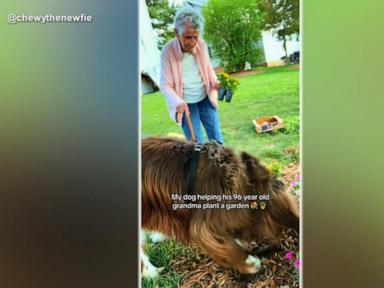
Social media is obsessed with the 96-year-old woman gardening with her dog. It is the perfect piece of digital candy. It is heartwarming. It is viral. And it is completely devoid of utility.
The internet looks at this footage and sees an aspirational target for aging. They see a symbol of health, autonomy, and simple joys. They are wrong. They are ignoring the brutal statistical reality of survival bias, and by holding this up as the gold standard of longevity, they are blinding themselves to the structural requirements of a successful later life.
The Survivor Bias Trap
We love these stories because they feel good. But the media industrial complex feeds us these anomalies precisely because they are rare. They are outliers. When you watch that video, you are not watching a blueprint for how to live at 96. You are watching a lottery winner.
The vast majority of people do not reach 96. Those who do rarely have the physical agency to maintain a garden, much less do it with the vigor displayed in a carefully edited sixty-second clip. By focusing on the exception, we ignore the rule: aging is a process of systematic decline that requires preparation, not just a positive attitude and a golden retriever.
The "lifestyle" content creators want you to believe that a little bit of dirt under your fingernails is the secret sauce. That is dangerous misinformation. It obscures the grim truth that longevity is 80% genetics and access to medical care, and maybe 20% personal behavior. When you buy into the "gardening is the secret" narrative, you neglect the boring, un-viral work that actually dictates your quality of life: mobility training, financial solvency, and social infrastructure.
What Real Longevity Demands
If you want to be functional at 96, you don't need a shovel. You need a resistance training program that starts three decades earlier.
Look at the physiological mechanics. Sarcopenia, the loss of muscle mass and function, is the real enemy. It isn't a lack of fresh air or gardening that puts people in nursing homes. It is the inability to get out of a chair, climb a flight of stairs, or recover from a simple fall.
While the internet coos over the adorable dog, a physiologist sees a person who likely spent sixty years maintaining enough baseline metabolic health to avoid the standard chronic diseases of aging. They weren't "gardening" their way to 96; they were likely living in a body that had been hardened by decades of activity that preceded the camera lens.
The Financial Lie
There is a sinister undercurrent to these viral stories. They shift the responsibility of aging from the collective back to the individual.
If we can point to a 96-year-old gardening, we can argue that everyone is responsible for their own "active aging." If you fail, if you end up dependent, if your health crumbles, it’s because you didn't have the right "mindset." This is the ultimate gaslighting of an aging population.
Reality check: 96-year-old active individuals usually require significant support systems. Who manages the property? Who pays the taxes? Who handles the medical emergencies? When we strip away the romanticized veneer of the garden, we usually find a hidden support network that the viral clip purposefully omits.
If you are basing your retirement strategy on being a spritely, self-reliant elder, you have already failed. You are betting on being a statistical unicorn. You need to be planning for the reality of medical dependency, the high cost of assisted living, and the inevitable erosion of physical autonomy.
Stop Trying to Retire Like a Romantic Novel Character
The urge to romanticize the elderly is a form of ageism. It denies them the reality of their struggle and it provides the young with a false sense of security.
If you want to prepare for the end-game, stop looking for inspiration on your feed. Start looking at actuarial tables. Start looking at long-term care insurance. Start looking at the reality of functional independence.
- Prioritize Strength Over Flexibility. Stretching is fine. But muscle keeps you upright. If you cannot do a bodyweight squat, you are on a clock.
- Diversify Your Support. Do not assume your children will be there. Do not assume your friends will be there. Build a formal network that does not depend on emotional labor.
- Audit Your Environment. If your home requires heavy maintenance at 96, you are not living a dream; you are living in a trap waiting to spring.
The next time you see a viral video of an elderly person doing something "cute," recognize it for what it is: a fleeting moment of distraction. It is not a goal. It is not an achievement. It is a statistical outlier that has nothing to do with your future.
Put the phone down. Go lift something heavy. That is the only real preparation for what is coming.


