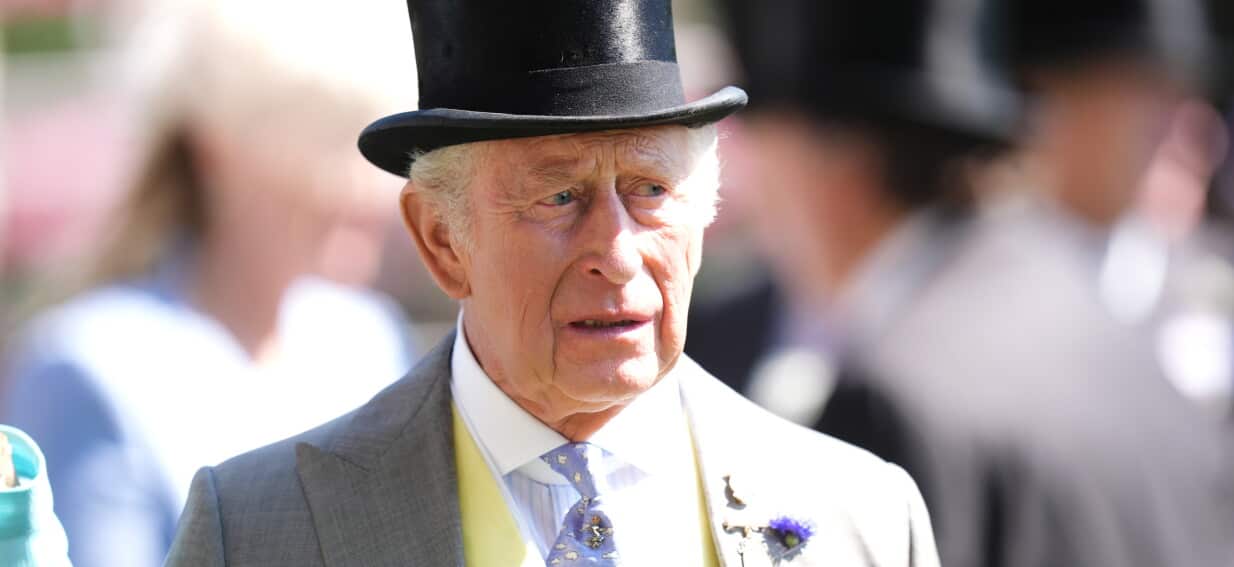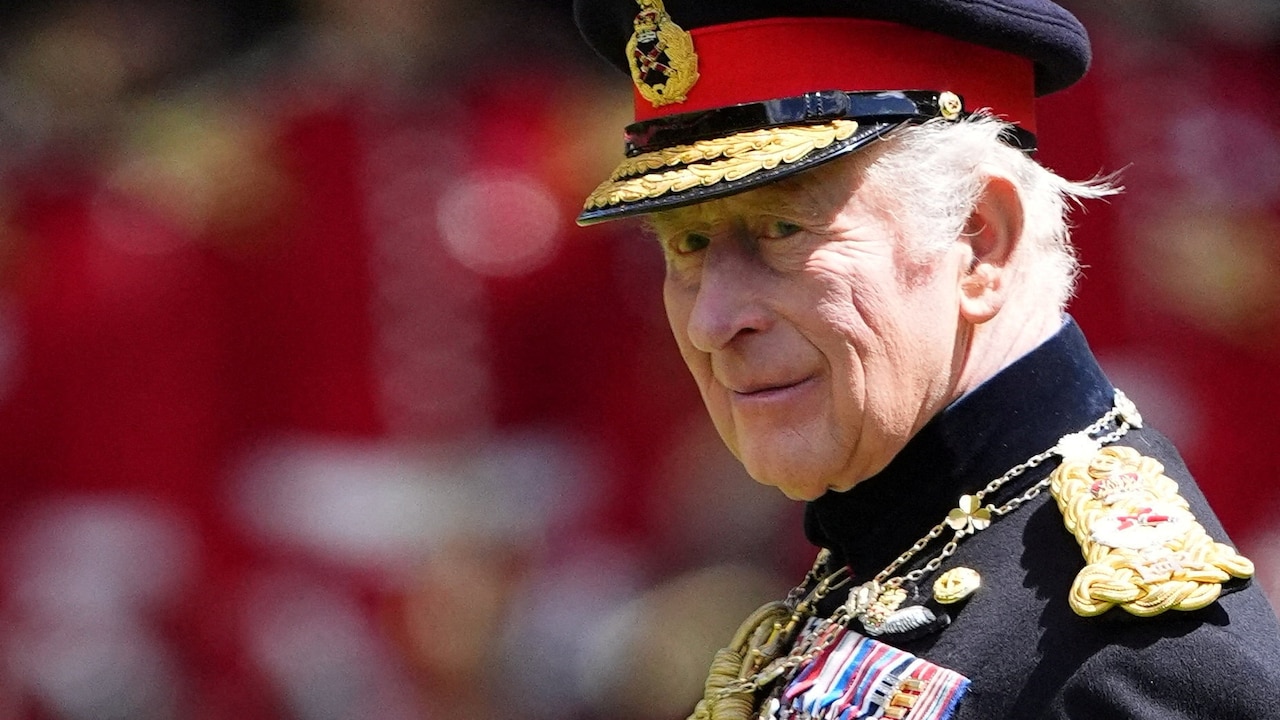
The media is swooning over a headline that feels designed in a public relations lab: King Charles III paid a £30.6 million—roughly $40 million—tax bill. It is being heralded as a historic triumph of transparency. Commentators are tripping over themselves to praise the modern, accountable monarchy.
They are missing the entire point.
Chasing the optical illusion of a royal tax return ignores the structural reality of how the British Crown actually operates. I have spent years analyzing institutional finance and sovereign wealth structures. If there is one thing I have learned, it is that looking at the face value of a government-adjacent financial statement is the quickest way to get fooled. This highly publicized payment is not an act of civic duty. It is a masterful shell game.
The mainstream press wants you to believe the King is paying taxes just like any hard-working citizen. He isn't. The foundational mechanics of the Crown’s wealth mean that celebrating this "tax payment" is like cheering when a corporation moves money from its left pocket to its right pocket and calls it a donation.
The Sovereign Grant Loophole They Do Not Want You to Calculate
To understand why this $40 million figure is a distraction, you have to dissect where royal money originates. The King’s public duties and household expenses are funded by the Sovereign Grant. This grant is calculated as a percentage of the profits from the Crown Estate—a massive portfolio of land and property worth billions.
Let's look at the actual plumbing of this arrangement.
- The Crown Estate surrenders its revenue to the UK Treasury.
- The Treasury then hands back a chunk of that money to the monarch via the Sovereign Grant (historically 15%, but bumped up to 25% to fund the Buckingham Palace renovations, and recently adjusted down slightly due to offshore wind windfalls).
- The King then pays "voluntary" income tax on the private income he receives, largely derived from the Duchy of Lancaster.
Here is the flaw in the logic of the applause: The King is exempt from corporation tax, capital gains tax, and inheritance tax by law. The income tax he pays is entirely voluntary, based on a 1993 agreement.
Think about that. If a tech billionaire negotiated a private deal with the government where they could choose exactly which parts of their income to expose to taxation, while remaining completely exempt from the 40% inheritance tax on ancestral estates worth hundreds of millions, we would not call it a "historic breakthrough in transparency." We would call it a regulatory capture masterpiece.
Dismantling the People Also Ask Fallacies
When news of the royal finances drops, public searches spike with variations of the same fundamental questions. The answers provided by standard explainers are almost universally wrong because they accept a flawed premise.
Does the King pay inheritance tax?
The short answer is no. When Queen Elizabeth II passed away, the vast wealth of the Duchy of Lancaster passed to King Charles completely free of the 40% inheritance tax that applies to every other family in the United Kingdom. The justification used by the state is that the monarchy needs to protect its institutional wealth from being eroded over generations.
Let’s strip away the tradition and look at this as an asset manager. By avoiding inheritance tax, the Crown retains a massive, compounding capital advantage over every private estate and commercial competitor in the country. A $40 million voluntary income tax payment is a rounding error compared to the hundreds of millions saved by dodging the hereditary wealth tax.
Is the Crown Estate private property or public property?
It is neither, and that is where the obfuscation thrives. The Crown Estate belongs to the reigning monarch in right of the Crown. This means it is the sovereign's public estate, which cannot be sold by the monarch privately, nor do the revenues belong to the government directly without the Sovereign Grant mechanism.
This grey area allows the monarchy to pivot depending on the audience. When critics complain about the cost of the royals, defenders claim the Crown Estate is a massive cash cow for the public treasury. But when the treasury faces a budget crunch, the monarchy retains its top-tier cut of the profits first.
The Illusion of Voluntary Compliance
There is a distinct danger in accepting "voluntary" tax payments as a substitute for systemic tax law. When wealth preservation depends on the benevolence or PR strategy of an individual, accountability disappears.
Imagine a scenario where a major multinational corporation decides it will no longer follow statutory tax codes but will instead calculate what it deems a "fair share" based on internal metrics, cut a check to the state, and demand a round of applause. The public would be furious. Yet, because this involves a crown and a centuries-old scepter, the narrative switches to one of duty and modernization.
The $40 million payment is a strategic marketing expense. By paying income tax on the Duchy of Lancaster's profits, the Palace buys immunity from deeper, more uncomfortable questions about institutional wealth distribution, land ownership rights, and the systemic lack of independent audits.
The Real Cost of Royalty
True transparency does not look like a single summary page released by the Palace accountants. True transparency requires an independent, third-party audit of every asset held within the Royal Collection, the Duchies, and the private portfolios.
The mainstream consensus has bought into the idea that a modern monarch showing a tax bill is a sign of progress. It isn't progress. It is the illusion of accountability masquerading as a tax reform.
Stop looking at the $40 million headline. Start looking at the structural exemptions that keep the remaining billions entirely out of reach of the public ledger.