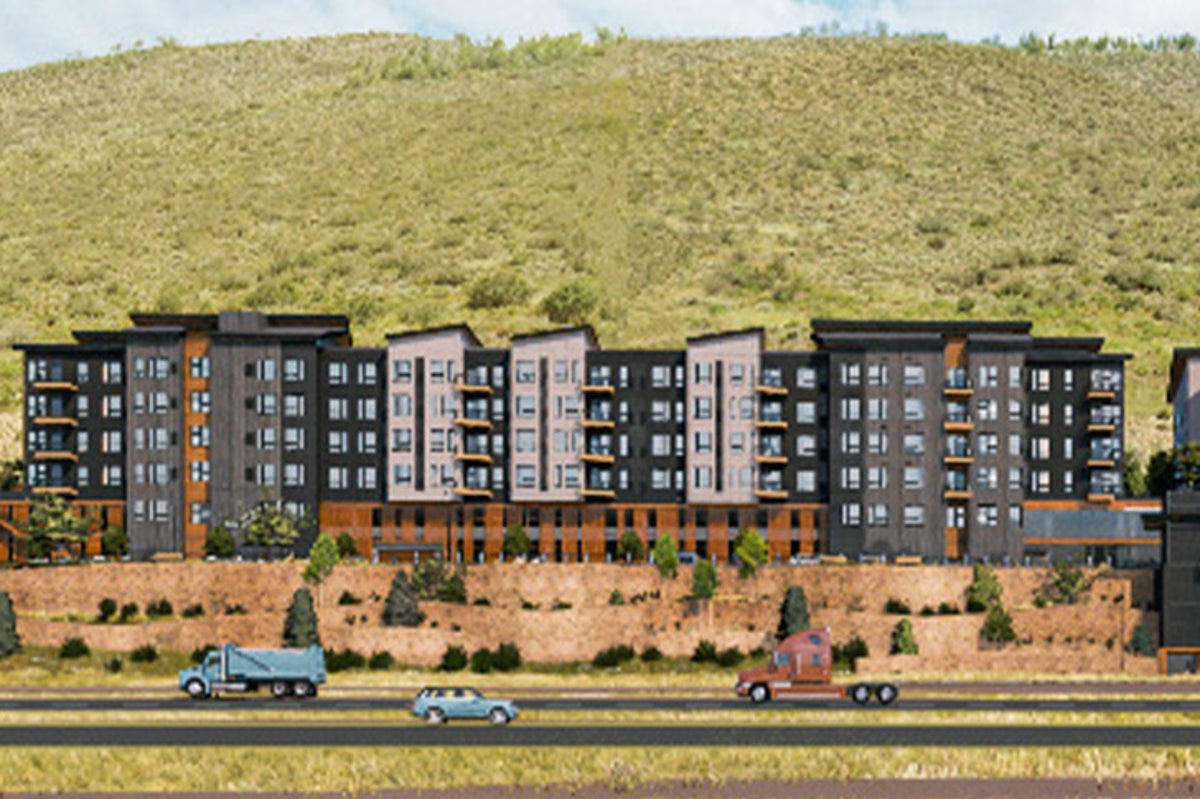
The standard narrative is intoxicatingly simple. A gleaming ski paradise faces a worker shortage because rents have skyrocketed. Enter the benevolent local government, riding to the rescue with a $189 million taxpayer-backed monolith called Southface Vail to house the barista and the lift operator. The mainstream press applauds this as a triumph of community-minded altruism.
It is actually an expensive exercise in treating a symptom while weaponizing the disease. Also making waves lately: Measuring the Great Australian Pie Competition: Why Technical Variables Trump Tradition.
Pouring hundreds of millions of dollars into public-sector real estate development does not solve a resort town housing crisis. It subsidizes the unsustainable business models of mega-corporations, locks in artificial supply caps, and creates a lottery-winning class of workforce tenants who happen to hold the right local employment badges. If you think building government-owned apartments on a 40-percent slope fixes high housing costs, you understand neither basic economics nor the perverse incentives governing modern municipal planning.
The Math Everyone Ignores
Let us look at the raw numbers. Southface Vail carries a price tag of $189 million for 268 units. That translates to roughly $705,000 per door. For context, these are not ultra-luxury penthouses with private gondola access; they are standard workforce apartments designed to rent for between $1,600 and $2,500 a month. Additional information on this are explored by CNBC.
Imagine a scenario where a private developer attempted to build multifamily housing at a capital expenditure of $705,000 per unit without massive municipal subsidies, tax-exempt bonding structures, and free town-owned land. They would be laughed out of a bank committee. The project would fail every fundamental solvency test. Yet because it is backed by public coffers, the city treats capital destruction as a community win.
When municipalities become real estate developers, they distort the local economy twice. First, they crowd out private capital by setting up parallel rental markets that cannot scale to meet actual demand. Second, they anchor expectations around state-subsidized below-market rates while doing nothing to alter the regulatory constraints that made housing scarce in the first place.
Zoning Cartels and Artificial Scarcity
The lazy consensus blames greedy landlords and free-market capitalism for high rents in places like Eagle County. This is a convenient fairy tale told by politicians who refuse to look in the mirror.
Housing is expensive in resort enclaves because local governments spent decades passing strict zoning laws, open-space mandates, environmental reviews, and density caps that effectively outlawed the construction of low-cost, high-density housing. They created a legal monopoly on land use. Then, when that artificial scarcity inevitably drove prices through the roof, they patted themselves on the back for spending nine figures of public money to build a fraction of the units they prevented the free market from building organically.
This is arsonist-firefighter policy at its finest. Local councils restrict supply with one hand, then pose as saviors when they use taxpayer funds to construct a heavily vetted, deed-restricted housing project with a fitness center, clubhouse, and dedicated bus stop with the other.
The Subsidy Trap for Corporate Labor
Ask yourself a brutal question: Who is the primary beneficiary of a $189 million public housing investment?
It is not just the lucky ski patroller or retail manager who secures one of the 268 units. It is the multi-billion-dollar resort conglomerates and hospitality giants operating in the valley.
In a functioning labor market, if a business cannot find workers because the local cost of living is prohibitive, that business must do one of two things. It can raise wages to a level that clears the market, or it can automate and scale back operations. By stepping in with taxpayer-subsidized housing, the municipality artificially suppresses wages. The town is essentially cutting a massive, multi-million-dollar corporate welfare check to employers, allowing them to underpay staff because the local government absorbs the delta between market rent and worker affordability.
I have watched municipalities blow fortunes on these vanity infrastructure plays while ignoring the regulatory gatekeeping choking organic growth. Deed restrictions, strict employment verification clauses (requiring tenants to work 30 hours a week for an Eagle County business), and bureaucratic committees create a micro-soviet system of housing allocation. You are not a citizen with property rights; you are a ward of the municipal HR department.
The Uncomfortable Alternative
If you genuinely want to fix resort housing, you stop building apartments with public money and start dismantling the zoning code.
A rational policy framework requires three immediate steps:
- Abolish single-family zoning mandates across the entire municipality.
- Eliminate discretionary design reviews that add years and millions in legal fees to multi-family developments.
- Stop tying residency to employment status, which ties a worker's housing security directly to their boss’s whims.
If private builders are allowed to build multi-story, high-density residential blocks without running a gauntlet of neighborhood aesthetic committees, supply will catch up to demand. Prices will stabilize. Free-market competition will force landlords to adjust.
Instead, towns choose the path of maximum political theater. They cut ribbons on concrete monoliths built into steep hillsides, celebrate a drop in the bucket of their 1,000-unit strategic plans, and pretend they have outsmarted the laws of supply and demand.
They haven't. They’ve just built a very expensive cage and called it a community benefit.