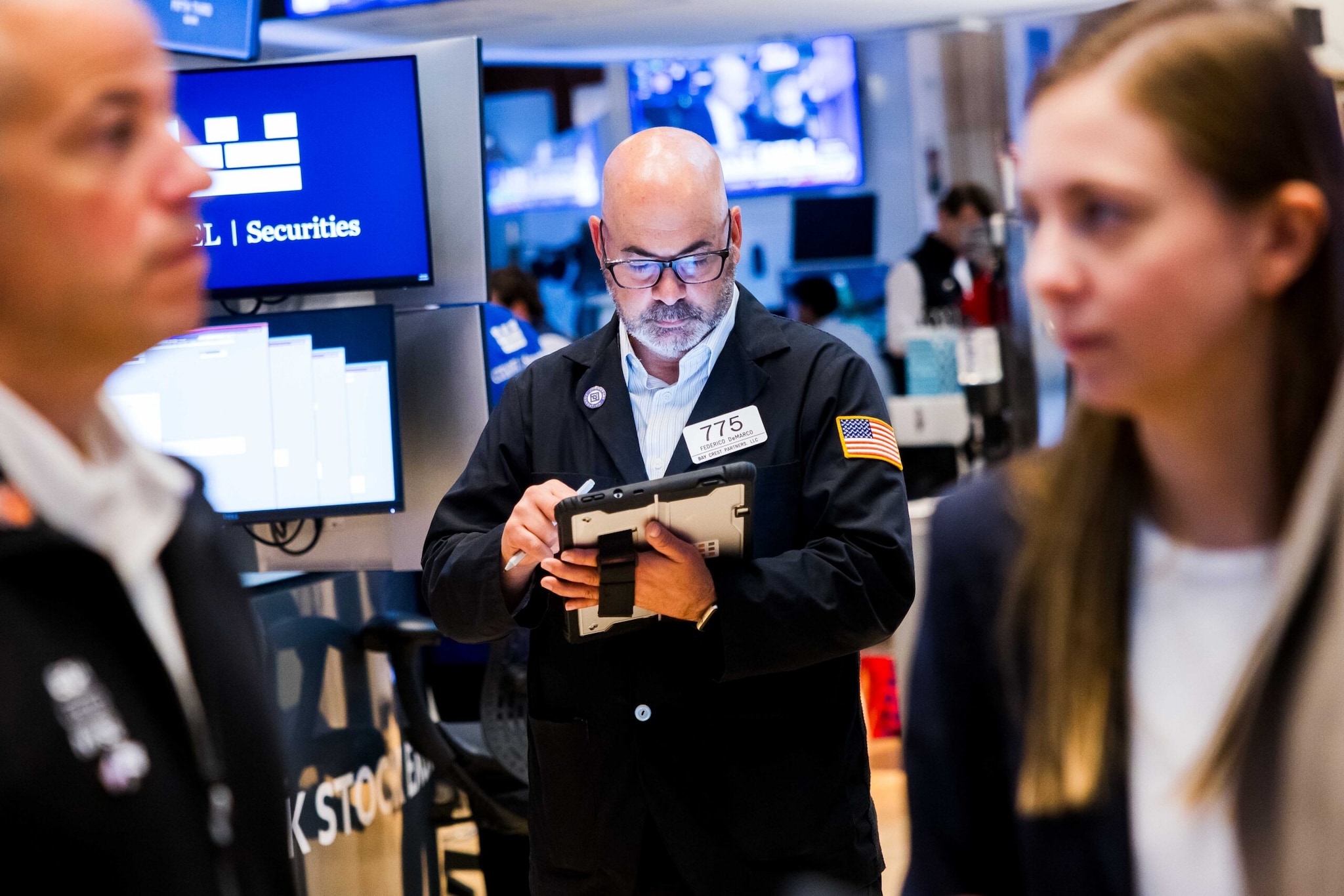
Main Street is dying, and local governments think the solution is a group of enthusiastic people in matching shirts.
Towns across the country regularly announce the return of their "business ambassadors" or "street wardens"—often clad in bright, uniform polo shirts. The narrative is always identical. These ambassadors will walk the pavement, hand out leaflets, collect qualitative feedback, and magically revitalize the local economy. They are framed as a bridge between small business owners, the community, and local government.
It is a comforting story. It is also entirely wrong.
This approach represents a fundamental misunderstanding of modern retail economics. Walking the streets and shaking hands does not fix structural deficits, broken parking policies, or skyrocketing commercial rents. It is a visible placeholder for actual economic strategy. Local councils deploy human signage to show they are "doing something," while ignoring the systemic issues flattening independent retailers.
If municipal leadership genuinely wants to support local businesses, they need to stop funding PR exercises and start addressing structural friction.
The Illusion of Footfall Support
The central premise of the business ambassador model is that a physical presence on the street somehow drives commerce or alleviates operational stress. Let’s look at the mechanics of a standard high street transaction. A business fails or succeeds based on customer acquisition costs, average order value, margin retention, and recurring footfall.
An ambassador walking past a shop window alters none of these variables.
I have spent years analyzing municipal budgets and urban development plans. Time and again, millions of dollars in grant funding or local tax revenue are diverted into "community engagement" personnel. Meanwhile, the actual infrastructure crumbles.
Imagine a scenario where a local boutique is struggling because the municipal parking lot next door charges exorbitant rates and features a broken payment kiosk. The ambassador walks in, offers a warm smile, takes down a note on an iPad, and promises to "log the issue." The merchant feels heard for exactly five minutes. Then the ambassador leaves, the parking lot remains broken, consumers keep driving to the suburban shopping mall with free parking, and the boutique goes under three months later.
The feedback loop is broken. Handing out pamphlets about local events does not create sustainable consumer habits. It creates a temporary, artificially inflated sense of community activity that vanishes the moment the funding cycle ends.
The Flawed Premise of "People Also Ask"
When citizens and business owners look for solutions to declining commercial districts, the search queries reflect a deep-seated desire for superficial fixes. The premise of these questions is fundamentally flawed.
How do business ambassadors help local economies?
They don't. At best, they act as a hyper-local tourist information booth. At worst, they create a bureaucratic buffer between business owners and the policymakers who have the actual authority to make structural changes. When an ambassador collects a complaint about commercial business rates or restrictive zoning laws, that complaint enters a complex administrative pipeline where it goes to die. Businesses do not need intermediaries; they need deregulation, tax relief, and infrastructure investment.
Do street wardens reduce crime and improve business conditions?
This conflates hospitality with security. A civilian in a bright polo shirt possesses no law enforcement authority, no specialized training in conflict de-escalation, and no power to deter systemic property crime or shoplifting. Expecting ambassadors to improve safety conditions on a commercial corridor is a liability nightmare for the municipality and an insult to the merchants dealing with actual security challenges. If security is the issue, fund law enforcement or environmental design upgrades like better street lighting. Do not send a customer service representative to do a police officer's job.
The True Cost of Soft Solutions
Every dollar spent on an ambassador program is a dollar stolen from tangible economic levers. Municipalities love these programs because they are cheap compared to infrastructure overhauls, and they provide immediate photo opportunities for local politicians. It looks great on a civic Facebook page.
But look at the math. Funding a team of four full-time ambassadors, including management, uniforms, equipment, and administrative overhead, easily costs upwards of $200,000 annually.
Instead of funding a walking complaint department, that capital could be deployed directly into high-ROI initiatives:
| Wasteful Soft Solution | High-ROI Alternative | Economic Impact |
|---|---|---|
| Blue Shirt Ambassadors | Direct Digital Infrastructure Grants | Allows legacy merchants to build e-commerce capabilities to survive downturns. |
| Street Walking Feedback Sessions | Automated Parking Validation Schemes | Removes the primary friction point preventing suburban drivers from visiting downtown. |
| Community Pamphlet Distribution | Commercial Rent Subsidy Pools | Keeps anchor tenants alive during seasonal dips or major roadworks. |
When you choose the left column, you are choosing optics over outcomes.
The Downside of Hard Truths
Shifting away from the ambassador model requires admitting something uncomfortable: some businesses cannot be saved by local government intervention, and some commercial districts are simply too large for current market demand.
If a municipality stops funding the "Blue Shirts," there will be an immediate public relations backlash. Merchants will complain that the city no longer cares. The streetscape will feel less curated. The transition away from feel-good civic programs always causes short-term friction because people prefer visible sentimentality over invisible structural efficiency.
But continuing to subsidize sentimentality is cowardice.
Local economic development departments must transition from community cheerleaders to cold-eyed asset managers. If zoning laws prevent a struggling retail space from converting into a high-density residential unit or a experiential dining venue, then the zoning law is the killer—not a lack of street ambassadors.
Stop sending people in matching outfits to ask merchants how they are doing. They are doing poorly because municipal policies make it impossible to compete with e-commerce giants and master-planned suburban developments.
Fire the ambassadors. Lower the commercial property tax rates. Fix the parking meters. Streamline the permitting process. Then get out of the way.