The recent 90-minute telephone exchange between Vladimir Putin and Donald Trump has set off a frantic scramble within diplomatic circles from Brussels to Tehran. While the public narrative centers on a proposed ceasefire in Ukraine timed for Russia's May 9 Victory Day celebrations, the underlying mechanics suggest a far more cynical play for time and leverage. This was not a conversation between two leaders seeking peace in a vacuum. It was a cold calculation involving energy corridors, Iranian drone supplies, and the shifting political winds of an American election year.
At the heart of the proposal lies a temporary cessation of hostilities—a "Victory Day Truce." Moscow is framing this as a humanitarian gesture, a moment of reflection for a continent weary of attrition. However, military analysts and intelligence veterans recognize the pattern. Russia’s front lines are currently stretched, and its defense industry is racing to outpace Western munitions deliveries. A pause is not a peace plan. It is a logistics window.
The Iranian Pivot and the Middle East Pressure Cooker
The inclusion of Iran in a call ostensibly about Ukraine reveals the true scope of the current geopolitical crisis. Tehran is no longer a peripheral player in European security. By supplying the Shahed-136 loitering munitions that terrorize Ukrainian power grids, Iran has purchased a seat at the big-power table.
Putin’s interest in Iran is twofold. First, he needs the supply chain to remain uninterrupted as Russia prepares for a summer offensive. Second, he knows that the threat of Iranian escalation in the Middle East provides him with a powerful bargaining chip against Washington. If the U.S. wants to prevent a regional war involving Israel and Iran, Moscow suggests that the price of cooperation may be found on the battlefields of the Donbas.
Trump’s involvement adds a layer of domestic volatility. By engaging in high-level diplomacy while not in office, he is effectively running a shadow foreign policy that undermines the current administration’s "unity" front with NATO. This creates a dual-track reality where Kyiv must negotiate not just with a hostile neighbor, but with a potential future version of its most important patron.
Victory Day as a Psychological Weapon
For Putin, May 9 is the holiest day on the secular Russian calendar. It marks the defeat of Nazi Germany, a historical event he has meticulously co-opted to justify the current invasion. Proposing a ceasefire for this specific date is a masterstroke of propaganda.
- The Domestic Win: If Ukraine rejects the truce, the Kremlin media machine paints Kyiv as "blasphemous" and unwilling to honor the memory of the Great Patriotic War.
- The International Fatigue: To a European public struggling with energy costs and inflation, any talk of a ceasefire—no matter how hollow—sounds like a relief.
- The Tactical Reset: A 48-hour or week-long pause allows Russian engineers to repair bridges, rotate exhausted units, and fortify defensive lines without the constant threat of HIMARS strikes.
Ukraine’s leadership is well aware of the trap. They remember 2014 and 2015, where "Minsk" agreements became synonymous with Russian regrouping. Volodomyr Zelenskyy faces an impossible choice. Accepting a Victory Day truce gives Moscow a PR victory and a tactical breather. Rejecting it risks alienating the "peace at any cost" faction of his Western support base.
The Trump Doctrine of Transactional Diplomacy
Donald Trump’s approach to these calls has remained remarkably consistent since 2016. He views international conflict through the lens of a deal-maker rather than a grand strategist. To Trump, the Ukraine war is a "drain" on American resources that should be "settled" quickly, regardless of the long-term territorial implications.
During the 90-minute call, the former president reportedly focused on the "math" of the war. He questioned the sustainability of Western aid and pushed for a resolution that would allow the U.S. to pivot its focus toward China. This transactional worldview appeals to Putin, who prefers dealing with individuals over institutions. Putin understands that if he can convince Trump that the war is a "bad deal," the entire architecture of NATO support could crumble before a single shot is fired in 2025.
The Nuclear Shadow and the Iran Deal
Beyond the drones, there is the terrifying specter of nuclear proliferation. Reports suggest that in exchange for continued military support, Russia may be offering Iran advanced missile technology or assistance with its nuclear program. This is the "Iran Factor" that dominated the latter half of the call.
If Moscow helps Tehran cross the nuclear threshold, the security balance in the Middle East is destroyed. The U.S. would be forced to divert massive naval and air assets from the Pacific and Europe to the Persian Gulf. This is exactly what Putin wants: a distracted, overextended America.
Logistics vs. Ideology
We often talk about war in terms of maps and arrows, but the reality is found in the grease of the tank treads and the storage capacity of the shell depots. Russia is currently consuming artillery rounds at a rate that even its wartime economy struggles to maintain. North Korean shipments have provided a stopgap, but the quality is hit-or-miss.
A ceasefire, even a brief one, allows for a massive logistical surge.
| Asset Type | Potential Ceasefire Activity | Impact on Ukraine |
|---|---|---|
| Electronic Warfare | Recalibration of jamming towers | Neutralizes Ukrainian drone superiority |
| Rail Infrastructure | Repair of junctions in occupied territories | Doubles the speed of troop movements |
| Minefields | Laying of "dense" belts in the south | Makes future Ukrainian counter-offensives suicidal |
| Personnel | Fresh conscript integration | Increases front-line mass for a June push |
This is the "how" behind the "why." Russia doesn't want peace; it wants a more efficient war.
The Sovereignty Gap
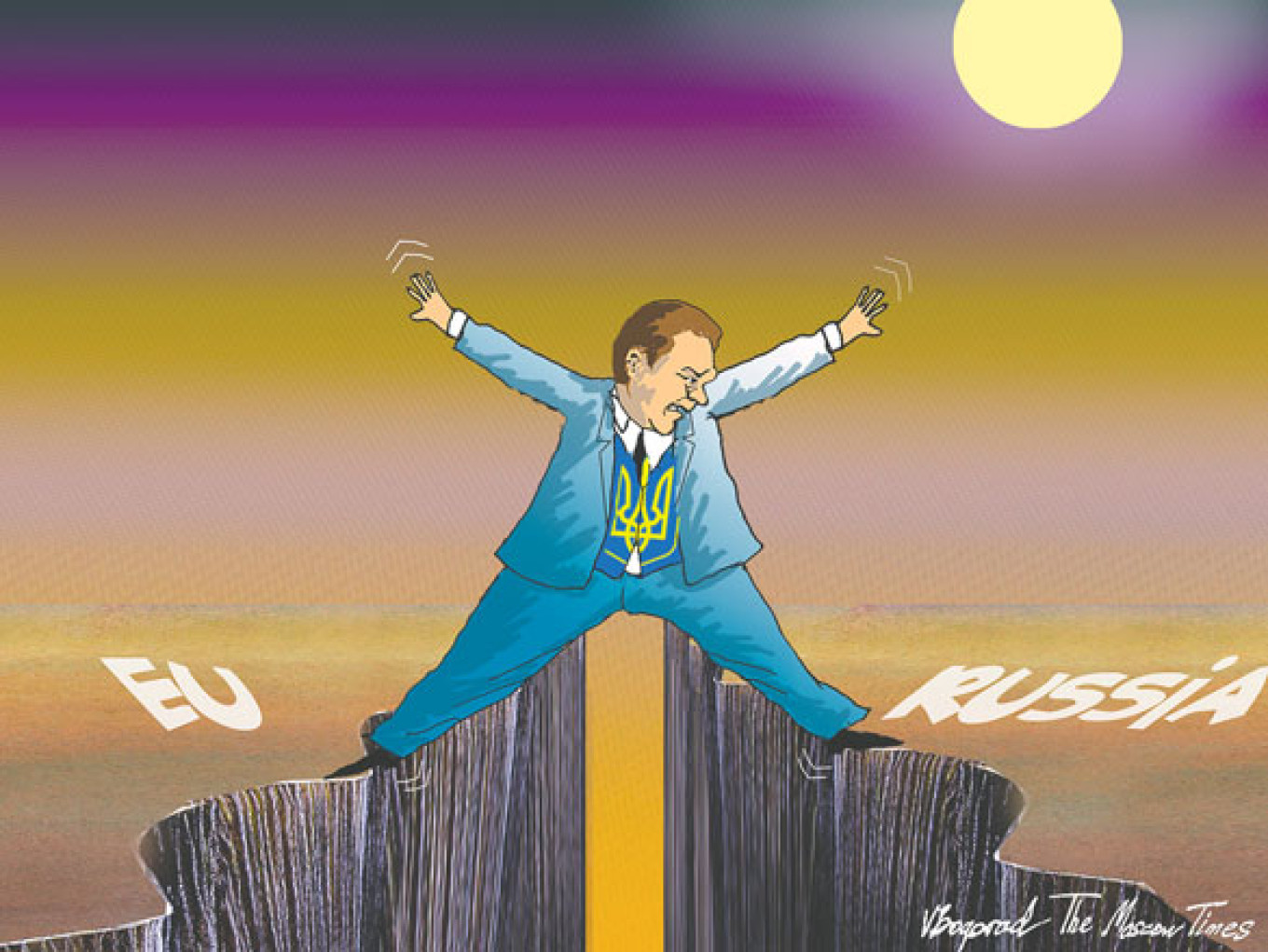
The most glaring issue with these bilateral discussions is the absence of Ukraine. History is littered with the corpses of small nations whose fates were decided in rooms they weren't invited to. When Trump and Putin discuss a ceasefire, they are essentially discussing the partition of a sovereign state.
Kyiv’s "Peace Formula" requires a total withdrawal of Russian forces to 1991 borders. Moscow’s "Peace Reality" requires the world to recognize its annexation of four Ukrainian regions. These are not two sides of a coin; they are two different currencies. There is no middle ground where a line can be drawn that doesn't reward aggression or ensure a second war five years down the road.
The Economic Undercurrents
While the bullets fly, the money moves in the shadows. Sanctions have hurt Russia, but they haven't stopped it. Through a complex network of "ghost fleets" and third-party intermediaries in Turkey and the UAE, Russian oil continues to fund the war chest.
Putin likely used the call to gauge Trump’s appetite for rolling back sanctions in exchange for "cooperation" on Iran. This is the ultimate prize for the Kremlin. Access to the global financial system is the only way to prevent the long-term decay of the Russian state. If Putin can convince a future U.S. administration that Russia is a "necessary partner" in containing Iran, the sanctions regime will evaporate.
The Shadow of the 2024 Election
Every word spoken in that 90-minute call was filtered through the lens of November. Putin is a master of timing. He knows that the American electorate is polarized and that foreign policy is often a secondary concern to the price of gas and groceries. By positioning himself as a man willing to talk, he provides ammunition to those in the U.S. who argue that the Biden administration is "prolonging" a hopeless conflict.
This is psychological warfare directed at the American voter. The message is simple: Peace is one phone call away, if only you have the right person on the line.
The Dangerous Allure of the Quick Fix
The temptation to accept a ceasefire is immense. It stops the dying, if only for a moment. It allows for the exchange of prisoners and the recovery of the dead. But in the context of Vladimir Putin’s Russia, a ceasefire is a weapon of war.
If the West falls for the Victory Day gambit, it risks legitimizing the idea that borders can be redrawn by force as long as the aggressor is willing to wait out the attention span of the international community. The call between Trump and Putin wasn't a breakthrough; it was a warning. It signaled the return of Great Power politics where the interests of the few outweigh the rights of the many.
Western leaders now face a grueling reality. They must decide if they are willing to sustain a long, painful defense of international law, or if they will succumb to the fatigue that Moscow is banking on. The "Victory Day Truce" is a mirror. It reflects back our own desperation for an end to the chaos, but it offers no actual path to stability.
True stability requires the total failure of the invasion, not its temporary suspension. Any agreement that leaves Russian boots on Ukrainian soil is merely a countdown to the next invasion. The 90-minute call wasn't the start of a peace process. It was the opening bell for the next, more dangerous phase of the conflict.