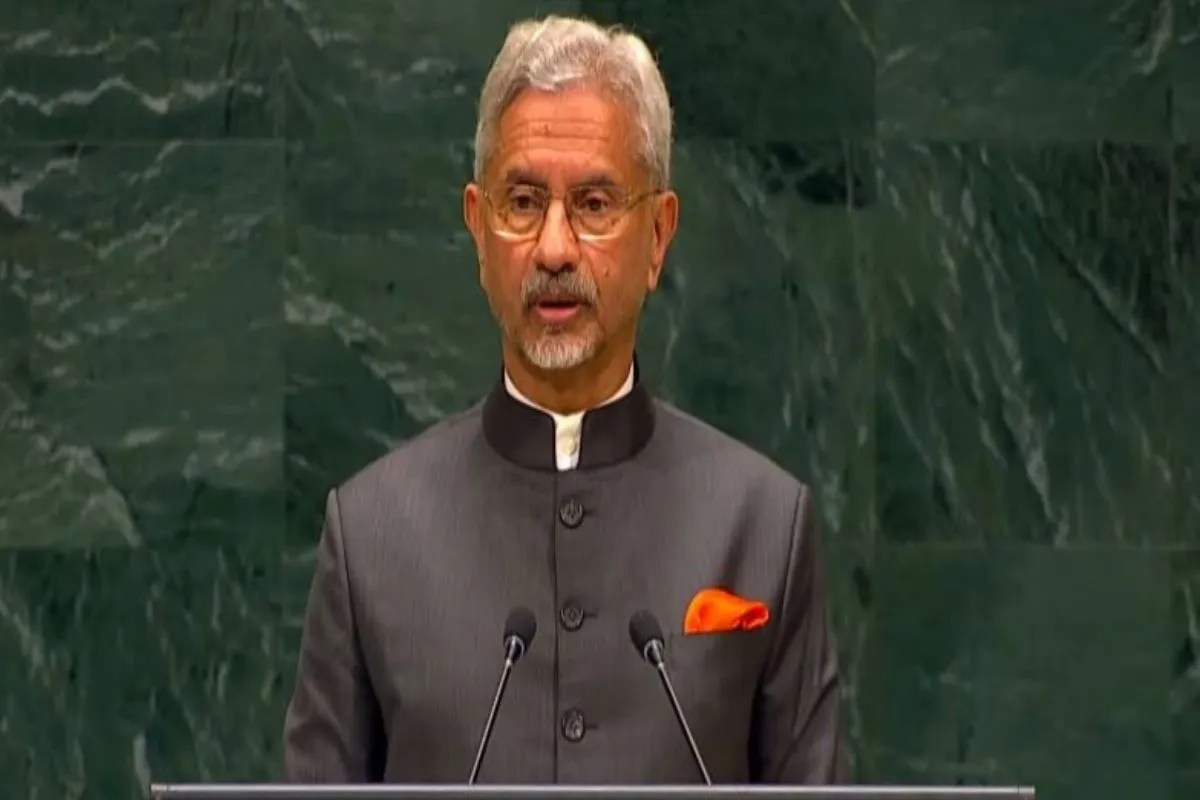
The pronouncements coming out of high-stakes diplomatic circuits rarely arrive by accident. When Russian Foreign Minister Sergey Lavrov took to the podium to formally condemn the assassination of Iran’s leadership as an intolerable breach of state sovereignty, he was not merely offering condolences to a strategic partner in Tehran. He was charting the official autopsy of the post-Cold War diplomatic order. By labelling the targeted killing of Ayatollah Seyyed Ali Khamenei and concurrent strikes on safeguarded nuclear infrastructure as entirely unacceptable, Moscow threw down a marker. The baseline rules governing how superpowers and regional heavyweights interact have shifted into uncharted and volatile territory.
For decades, the unwritten constitution of international relations maintained a grim sort of etiquette. Intelligence agencies dueled in the shadows, proxies clashed across fractured borders, and economic sanctions acted as the blunt instruments of coercion. Yet, a thick red line historically separated conventional warfare from the targeted execution of a sovereign state's supreme political and religious authority. Crossing that line does more than eliminate an adversary. It detonates the diplomatic guardrails that prevent localized conflicts from metastasizing into total global friction.
Moscow’s sharp rhetoric highlights a profound anxiety shared by capitals far beyond Tehran. If the unilateral execution of a head of state becomes an accepted instrument of foreign policy, every nation lacking a massive nuclear deterrent or sovereign insulation suddenly finds its leadership operating on borrowed time. Lavrov’s critique zeroed in on this exact structural decay. When the architecture of non-proliferation and the sanctity of diplomatic immunity are tossed aside for tactical convenience, the international system ceases to function as a network of regulated states. It devolves into a raw arena of survival-of-the-fittest power politics.
Beneath the diplomatic condemnation lies a hard-headed calculation of bilateral survival. Russia and Iran have spent years forging a deep defensive and economic alignment, driven largely by their shared status as targets of exhaustive Western sanctions. Seeing a primary ally's core leadership dismantled by a combined U.S.-Israeli military campaign forces the Kremlin to reassess its own vulnerabilities. If Washington and its allies can execute high-profile regime-change operations with impunity, the deterrence models relied upon by Moscow and Beijing face an unprecedented stress test.
This reality explains why Lavrov’s speech at the United Nations General Assembly drew such intense behind-the-scenes focus. It was an explicit warning that the erosion of sovereign immunity is a two-way street. Once a superpower decides that traditional statecraft is obsolete, the remaining pillars of global stability crumble quickly. The shockwaves are already reshaping supply chains, defense doctrines, and regional security pacts from the Persian Gulf to Eastern Europe.
The immediate fallout is unlikely to manifest as conventional military retaliation alone. Instead, expect a permanent hardening of diplomatic positions. Multilateral institutions designed to mediate global crises are finding themselves increasingly paralyzed, viewed by nations like Iran and Russia as compromised instruments of Western enforcement rather than neutral arbiters. As channels for de-escalation wither away, the margin for error in future confrontations shrinks toward zero.
The international community is no longer waiting for the next escalation to test the limits of modern warfare. Those limits have already been erased, leaving a fragmented global order where might makes absolute right and diplomacy is little more than an afterthought.