A routine flight turned into a multi-day tragedy. The search for a missing pilot in Ontario ended with the grim discovery of his submerged aircraft in Wolfe Lake.
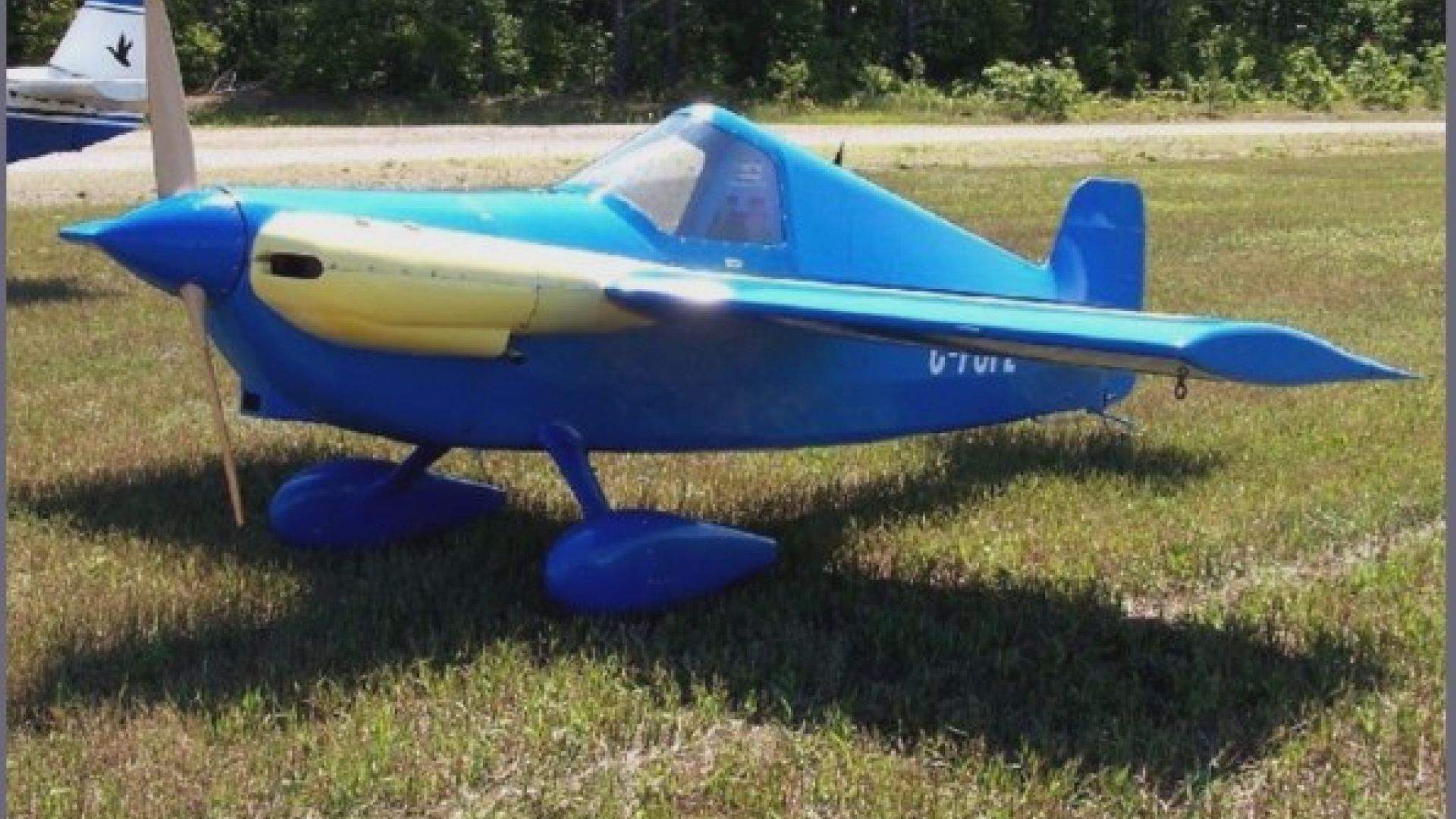
David Douglas, 73, took off from Oshawa Executive Airport on a Friday morning. He planned a short flight and expected to return in an hour. He never made it back. When family members realized he was overdue, they sounded the alarm, triggering an intense multi-agency search operation across the Kawartha Lakes region.
The Reality of Wilderness Aviation Searches
Finding a small, home-built aircraft downed in the rugged terrain of Ontario's provincial parks is remarkably difficult. Dense tree canopies, vast lakes, and isolated wilderness create a needle-in-a-haystack problem for emergency responders.
Search efforts relied heavily on coordinated teams from the Trenton Joint Rescue Coordination Centre, the Ontario Provincial Police (OPP), and the Ministry of Natural Resources. Rescue crews deployed a Royal Canadian Air Force Super Hercules turbo prop alongside specialized marine and aviation units.
Ground and air teams focused on the Balsam Lake area after receiving eyewitness reports. Yet, the remote nature of Queen Elizabeth II Wildlands Provincial Park slowed down the visual sweeps.
Tracking Challenges for Small Planes
Many private and home-built aircraft lack the complex digital tracking suites found in commercial airliners. When a plane flies without an active transponder signal, radar reconstruction becomes a guessing game for investigators.
Rescuers often have to retrace flight paths manually. They depend on last-seen points provided by family or occasional civilian spotters. This friction costs precious hours during the critical golden window of a rescue mission.
By Monday, the operation shifted from a rescue to a recovery effort. Crews spotted aircraft debris floating in Wolfe Lake. The OPP Underwater Search and Recovery Unit deployed divers, confirming the main wreckage and the pilot inside on Tuesday.
Investigating the Crash
Authorities are now managing the complex extraction of the aircraft from the lakebed. The Transportation Safety Board of Canada (TSB) has stepped in to handle the aviation safety investigation.
Investigators will examine mechanical logs, weather conditions at the time of departure, and flight patterns to determine what caused the fatal descent. For the aviation community in Ontario, the incident highlights the inherent risks of recreational flying and the sheer scale of the wilderness that surrounds them.
Local detachments continue to coordinate with federal safety officers as the physical wreckage is brought ashore.