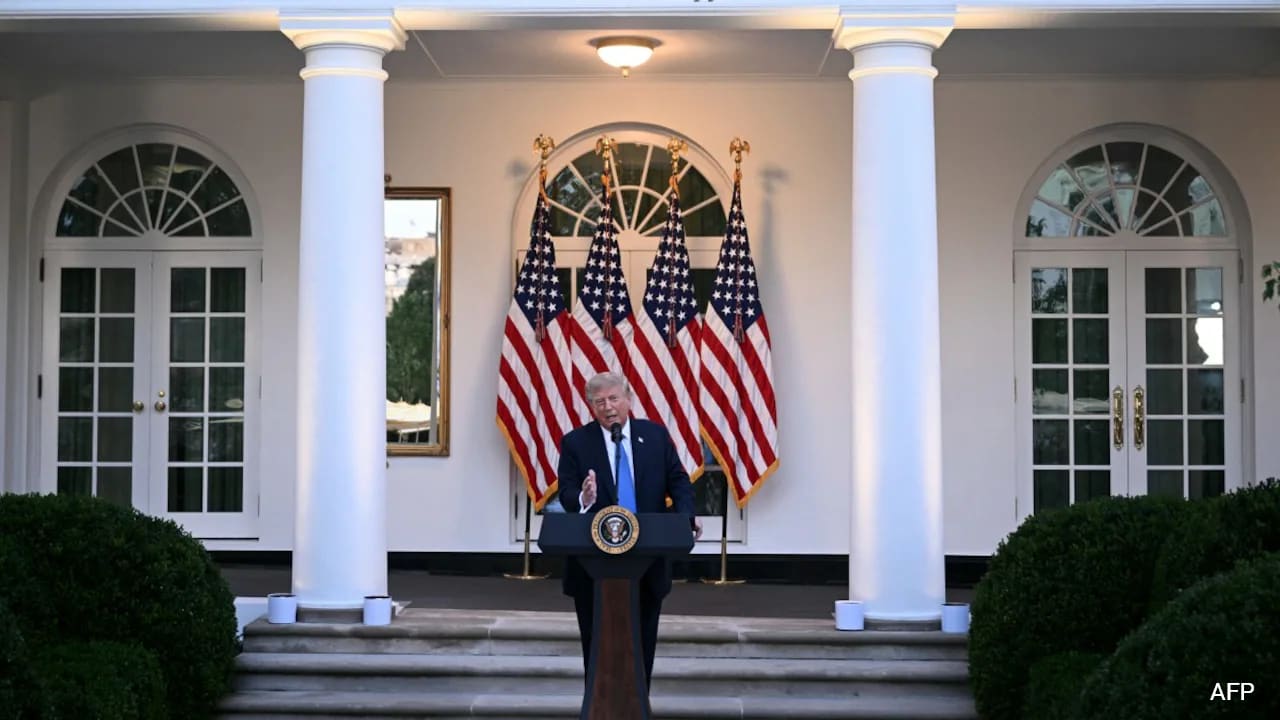
Diplomatic press briefings are a curated performance designed to keep analysts talking about everything except reality. When mainstream commentary fixates on public declarations—specifically the recent cycles of Iran reiterating its "clear position" on Lebanon and the United States pledging commitments to end regional conflict "on all fronts"—it swallows the bait whole. The lazy consensus treats these statements as genuine strategic roadmaps. They are not. They are public relations maneuvers intended to manage domestic audiences and project leverage where none exists.
The assumption that public posture equals geopolitical intent is fundamentally flawed. In international relations, the loudest declarations often mask the deepest paralysis. By dissecting the actual mechanics of regional leverage, it becomes obvious that the official rhetoric from both Tehran and Washington serves a purely defensive function, hiding a reality that neither side wants to admit publicly.
The Illusion of a Clear Position
To understand why the mainstream analysis fails, you have to look at what these public statements actually cost the parties involved: absolutely nothing. When a state actor announces that its position is "clear," it is almost always an attempt to freeze a deteriorating situation without committing real resources.
For decades, the standard playbook for regional powers has relied on strategic ambiguity. The sudden shift toward rigid, repetitive public statements is not a sign of strength or clarity. It is a sign of a constrained hand.
Consider the mechanics of regional influence. True leverage operates quietly, through backchannels, logistical pipelines, and economic reassurances. When a state is forced to constantly repeat its rhetorical stance on a neighbor, it signals a breakdown in those covert mechanisms. The public reiteration is a substitute for action, a placeholder designed to project continuity while the underlying operational capacity faces severe pressure.
I have watched policy analysts spend days deconstructing the specific phrasing of a foreign ministry spokesperson, trying to find hidden shifts in policy. It is a waste of time. The words are chosen precisely because they mean nothing operational. They are meant to satisfy hardline domestic factions and regional allies without triggering a direct escalation that the state cannot afford.
Washington and the Multi-Front Fallacy
On the other side of the ledger, the American commitment to ending conflict "on all fronts" is treated by media outlets as a serious diplomatic initiative. This perspective ignores the structural realities of US foreign policy in an election-conscious, hyper-partisan era.
The phrase "on all fronts" is a rhetorical trap. It implies a centralized, top-down resolution to a highly decentralized web of local conflicts. To believe that a single diplomatic push from Washington can simultaneously pacify distinct operational theaters is to misunderstand the localized drivers of these clashes. Each front operates on its own internal logic, driven by local command structures, distinct economic grievances, and independent tactical objectives.
The United States cannot dictate terms on all fronts simultaneously because it lacks the specific leverage required for each distinct actor. Security assistance, sanctions, and naval deployments are blunt instruments. They cannot force compliance from non-state actors whose primary survival mechanism is defiance. The public commitment to a comprehensive peace is a political shield, meant to deflect criticism of policy fragmentation by pretending a grand, unified strategy exists.
The Flawed Premise of People Also Ask
Look at the standard questions dominating search engines whenever these diplomatic statements drop: "Will the US force a ceasefire?" or "How will Iran support its regional partners?"
These questions are fundamentally broken because they assume absolute agency on the part of large capitals. The brutal reality is that both Washington and Tehran are frequently reactive players, chasing events managed by local commanders on the ground.
- Can the US force a ceasefire? No. A superpower can withhold funds or intercept munitions, but it cannot alter the existential calculus of forces on the ground who view compromise as literal destruction.
- Will Iran intervene directly? No. Direct intervention breaks the entire cost-benefit model of proxy warfare, which is built specifically to avoid direct state-on-state confrontation.
Stop asking when the big powers will solve the crisis. Start looking at the logistical supply lines and the local financial networks. That is where the actual decisions are made.
The Structural Downside of the Disruption
Challenging the value of official diplomacy does not mean pretending that a purely military or transactional approach is flawless. The contrarian view acknowledges a grim reality: when public diplomacy is exposed as empty theater, the guardrails disappear.
The downside of acknowledging that these statements are meaningless is that it removes the psychological cushion that keeps markets stable and prevents panic. Diplomatic theater, as useless as it is for actual conflict resolution, provides a veneer of predictability. When you strip that away and focus purely on hard capabilities and local intent, the outlook becomes significantly more volatile, less orderly, and far harder to commodify into neat policy papers.
The reliance on public statements has created a loop of manufactured consensus. Media organizations report the statement, think tanks analyze the wording, and governments issue a counter-statement to keep the cycle going. Meanwhile, the actual movement of material, the shifting of tactical lines, and the economic erosion continue entirely decoupled from the speeches in front of the press flags.
The next time an official transcript claims a position is clear or a commitment is total, ignore the text. Look at the balance sheets, look at the ammunition stockpiles, and look at the local commanders who do not give press conferences. Stop reading the script and watch the mechanics.