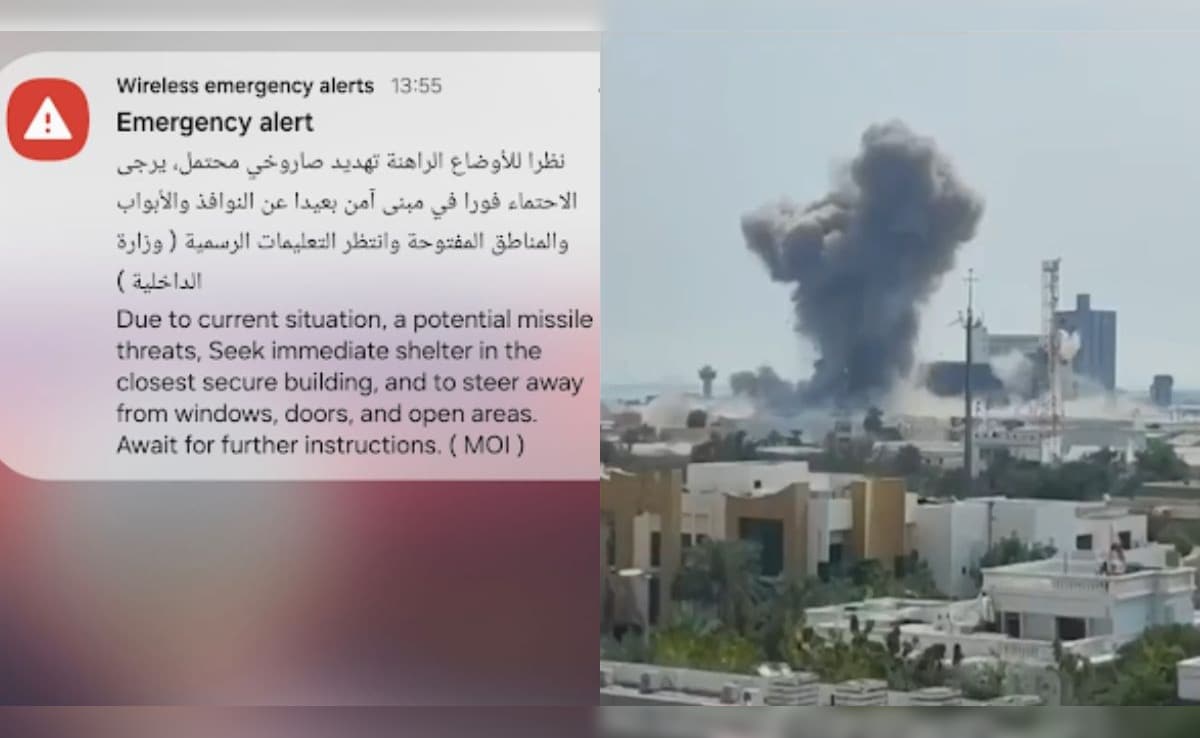
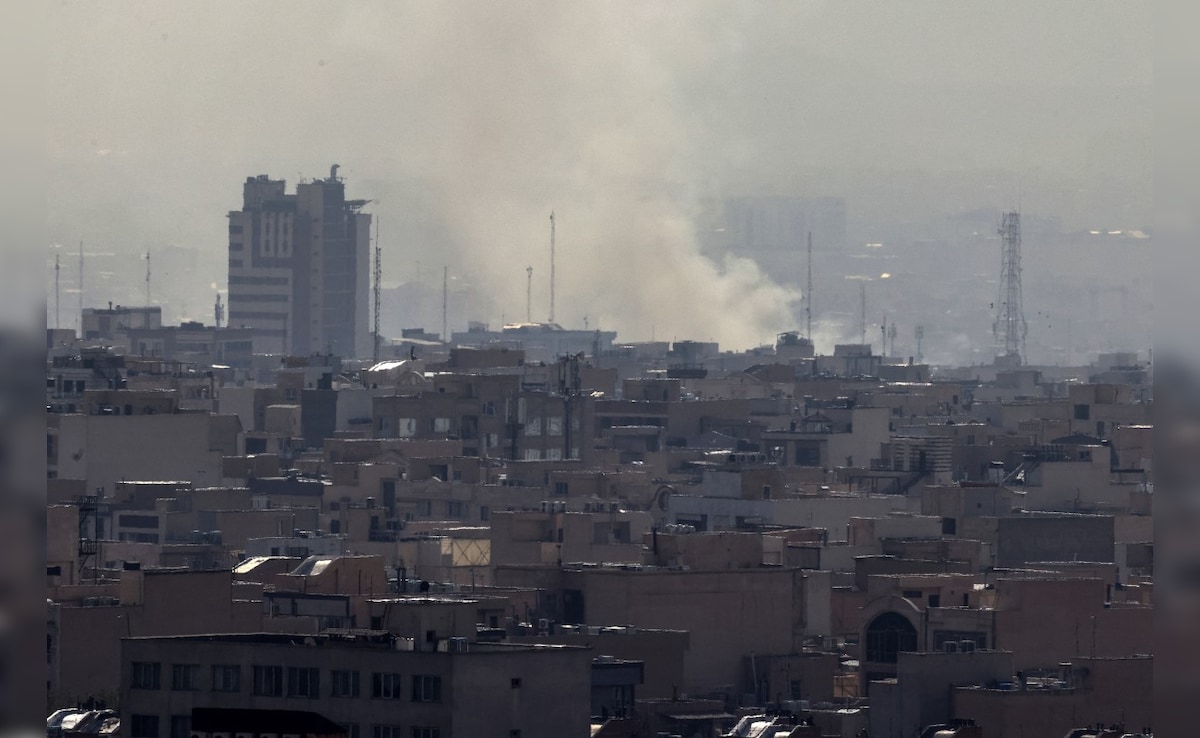
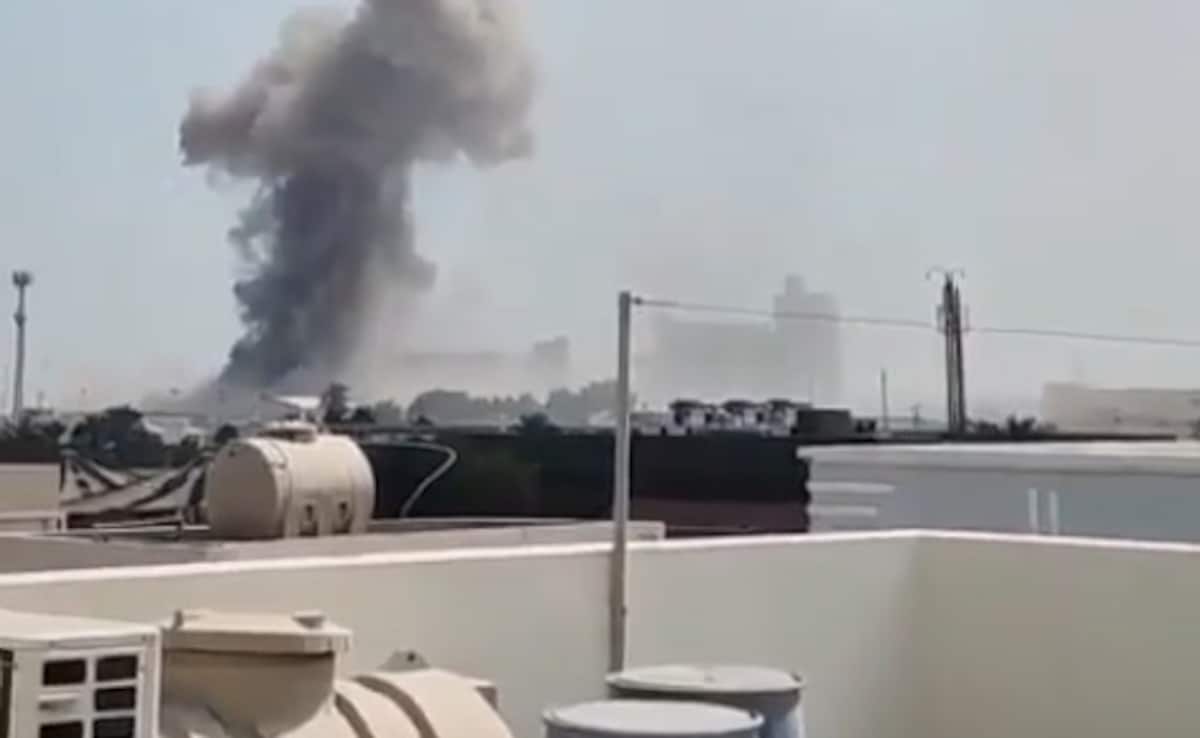
The security architecture of the United Arab Emirates was supposed to be impenetrable. For decades, the nation marketed itself as a "Switzerland in the sand," a neutral ground where global finance and luxury tourism could thrive regardless of the fires burning in neighboring states. That illusion cracked when reports of explosions in Dubai and Abu Dhabi surfaced following a spike in US-Iran hostilities. However, the true story isn't just about the kinetic impact of a few drones or missiles. It is about the systemic failure of regional deterrence and the terrifyingly fragile nature of the world’s most concentrated economic hubs. When one person dies in a city built on the promise of absolute safety, the casualty isn’t just a statistic. It is a blow to the very business model of the Gulf.
The immediate reaction to these events followed a predictable script. Markets dipped, oil prices twitched, and headlines screamed of a regional war. But a deeper investigation into the mechanics of these strikes reveals a more calculated, surgical intent. This wasn't a blind act of terror. It was a demonstration of reach. By targeting the logistical and prestige centers of the UAE, regional actors sent a message that no amount of Western-provided missile defense can guarantee a "zero-risk" environment.
The Myth of Total Air Sovereignty
For years, the UAE has invested billions in the most sophisticated defense hardware money can buy. From THAAD batteries to Patriot systems, the skyline is shielded by a literal iron dome of Western technology. Yet, the recent incidents prove that high-end defense is often ill-equipped to handle low-cost, asymmetrical threats. You cannot always kill a $20,000 drone with a $3 million missile. The physics and the math simply don't favor the defender.
This gap in protection has created a psychological vulnerability that the UAE's rivals are keen to exploit. When an explosion occurs near a major transport hub like the Jebel Ali port or the outskirts of Abu Dhabi’s industrial zones, the physical damage might be localized. The economic ripples, however, are global. Shipping insurance rates spike overnight. Foreign direct investment committees start asking "what if" questions. The UAE's greatest strength—its position as a global crossroads—is also its most significant tactical weakness.
The Hidden Cost of Neutrality
The UAE has spent the last decade trying to master a delicate balancing act. It hosts US military assets while remaining a primary trading partner for China and maintaining back-channel communications with Tehran. This "friends to everyone" policy is becoming increasingly impossible to maintain as the US and Iran move toward a more direct confrontation.
When the US strikes Iranian interests, the UAE becomes the most convenient "soft target" for retaliation. It is a proximity problem. Tehran knows that hitting a US carrier is an act of total war. Hitting a symbolic target in Dubai is an act of communication. It is a way to tell Washington that its allies will pay the price for American foreign policy. This puts the Emirati leadership in a corner. They must decide if the protection offered by the US presence is worth the bullseye it paints on their skyscrapers.
Why the Global Energy Market Shrugged
One might expect that explosions in the heart of the world's oil corridor would send Brent crude into a permanent triple-digit frenzy. It didn't happen. The reason is a cynical, yet pragmatic, calculation by global traders. The market has priced in "controlled instability."
Traders now operate on the assumption that neither Iran nor the US actually wants a total shutdown of the Strait of Hormuz. Such a move would be economic suicide for Iran and a political catastrophe for any US administration. Therefore, these explosions are viewed as "noise" rather than "signals." It is a dangerous game of chicken where the stakes are human lives, but the spreadsheets remain relatively stable.
However, this complacency is its own risk. We are seeing a gradual "normalization" of conflict. When we stop being surprised by explosions in major global cities, we have entered a new and much more volatile era of international relations. The baseline for "stable" has been shifted downward, and that should terrify anyone with a long-term stake in the region.
The Intelligence Gap and the Proxy Problem
The most troubling aspect of the recent security breaches isn't the hardware used, but the intelligence failure that preceded it. These attacks often originate from proxy groups in Yemen or Iraq, providing the true architects with a layer of plausible deniability. This proxy warfare model is designed to bypass traditional diplomatic consequences.
If a missile is fired from a non-state actor, who do you retaliate against? If the UAE strikes back at a proxy group, they risk an escalation that could see more drones raining down on their airports. If they do nothing, they look weak. It is a strategic checkmate. The investigative reality suggests that the intelligence services in the region are struggling to track the movement of disassembled drone components that are smuggled across borders and reassembled in "pop-up" launch sites. This is not a war of armies; it is a war of supply chains.
The Human Toll Beneath the Headlines
The death of a single individual in these attacks is often glossed over by analysts focusing on macro-economics. But for the millions of expatriates who make up 90% of the UAE's population, that one death is a turning point. The UAE relies on its reputation as a safe haven for global talent. People move to Dubai because it is safer than London, New York, or Paris.
If that sense of security vanishes, the labor force follows. We are already seeing quiet conversations in the boardrooms of multinational corporations about "regional contingency planning." This usually means moving key personnel to Singapore or Riyadh. The UAE isn't just fighting to protect its buildings; it is fighting to protect its census.
Logistics Under Fire
Dubai’s DP World and the Abu Dhabi National Oil Company (ADNOC) are the twin engines of the Emirati economy. They are also massive, static targets. While the recent explosions did not cripple these entities, they forced a radical rethinking of "just-in-time" logistics in the Middle East.
- Redundancy Costs: Companies are now forced to hold more inventory, fearing a sudden closure of ports or airports.
- Security Premiums: Private security firms are seeing a surge in demand for "hard-site" protection, adding a new tax on doing business in the region.
- Cyber-Physical Convergence: There is growing evidence that the physical explosions are often coordinated with cyberattacks intended to blind radar systems or disrupt emergency responses.
The sophistication of these operations points to state-level involvement, regardless of which rebel group claims responsibility on social media. We are seeing a hybridization of warfare where the goal isn't to occupy territory, but to make that territory too expensive to operate within.
The Failure of Regional Diplomacy
The Abraham Accords were supposed to usher in a new era of regional security by aligning the UAE with Israeli intelligence and defense capabilities. While this has provided some benefits, it has also heightened the UAE’s profile as a target for the so-called "Axis of Resistance."
There is a growing sentiment among Gulf analysts that the UAE may have overextended its diplomatic hand. By trying to be a regional power player, they have invited the scrutiny and hostility that comes with that role. The recent explosions are a brutal reminder that in the Middle East, every alliance comes with a hidden invoice.
The diplomatic "de-escalation" talks often touted in Western media are largely performative. Behind the scenes, the arms race continues unabated. The UAE is now looking toward domestic production of defense systems, trying to reduce its reliance on a US domestic political cycle that can be fickle. But domestic production takes decades, and the threats are arriving today.
A Precarious Path Forward
The UAE finds itself at a crossroads that no amount of urban planning can fix. It cannot move its geography. It is stuck between a resurgent Iran and an increasingly inward-looking United States. The strategy of "strategic patience" is being tested to its absolute limit.
To survive this era, the UAE must move beyond purchasing security and start brokering a genuine regional framework that includes its rivals. This is an ugly, difficult task that requires more than just money. It requires a willingness to make concessions that may be unpopular at home and in Washington.
The explosions in Dubai and Abu Dhabi were not an isolated incident or a fluke of history. They were a klaxon. They signaled the end of the Gulf's era of exceptionalism. The world is watching to see if the UAE will respond by building higher walls or by finally addressing the systemic instabilities that have allowed these fires to reach its shores.
Investors should stop looking at the stock market tickers and start looking at the radar screens. The real story isn't the one dead; it's the millions who are now looking at the exit signs. You cannot run a global city on a foundation of anxiety. The UAE’s leadership knows this, and their next moves will determine if the country remains a global beacon or becomes just another cautionary tale of Middle Eastern volatility.
Every building in Dubai is a bet on a peaceful future. Right now, the house is sweating.