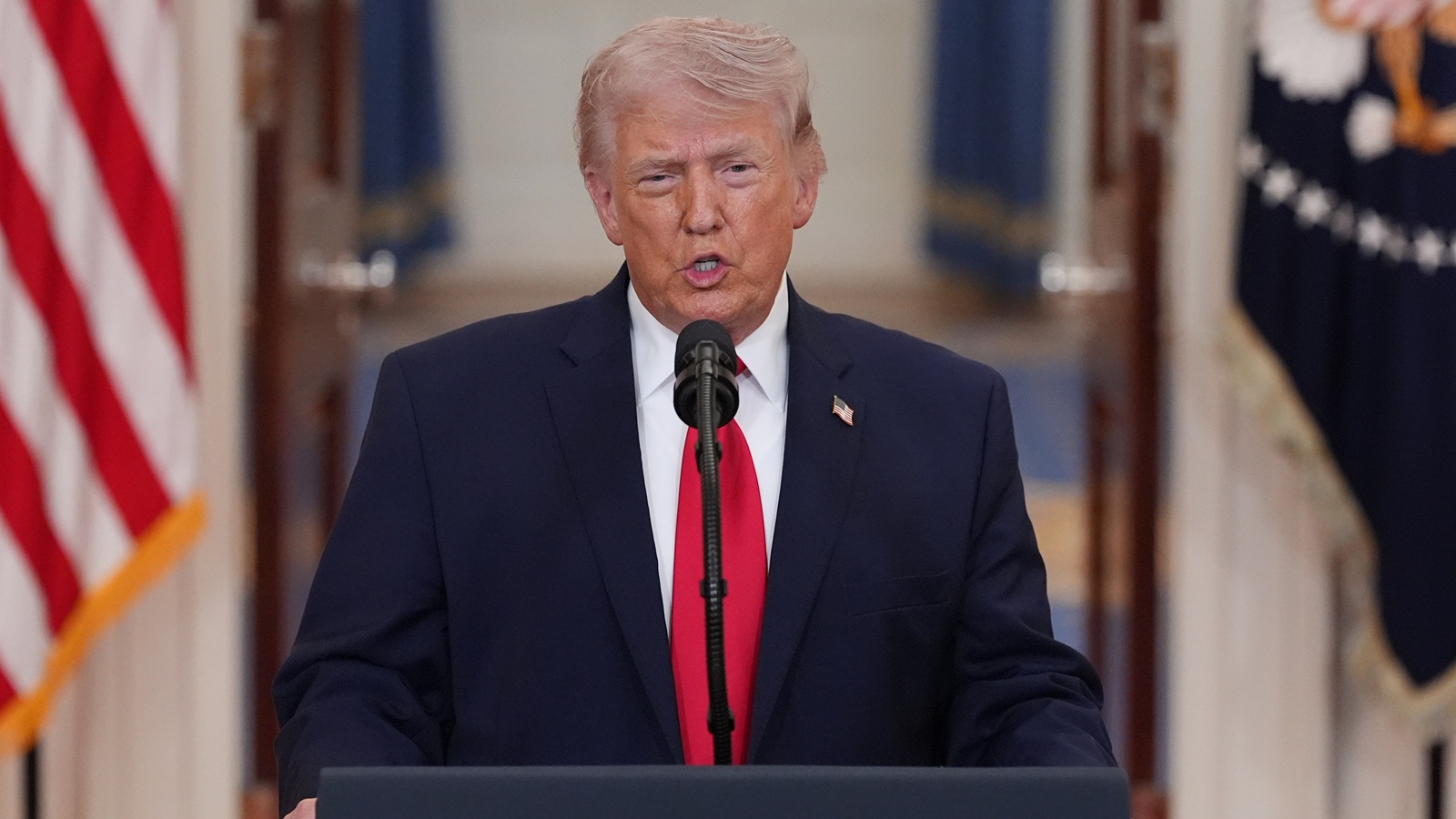
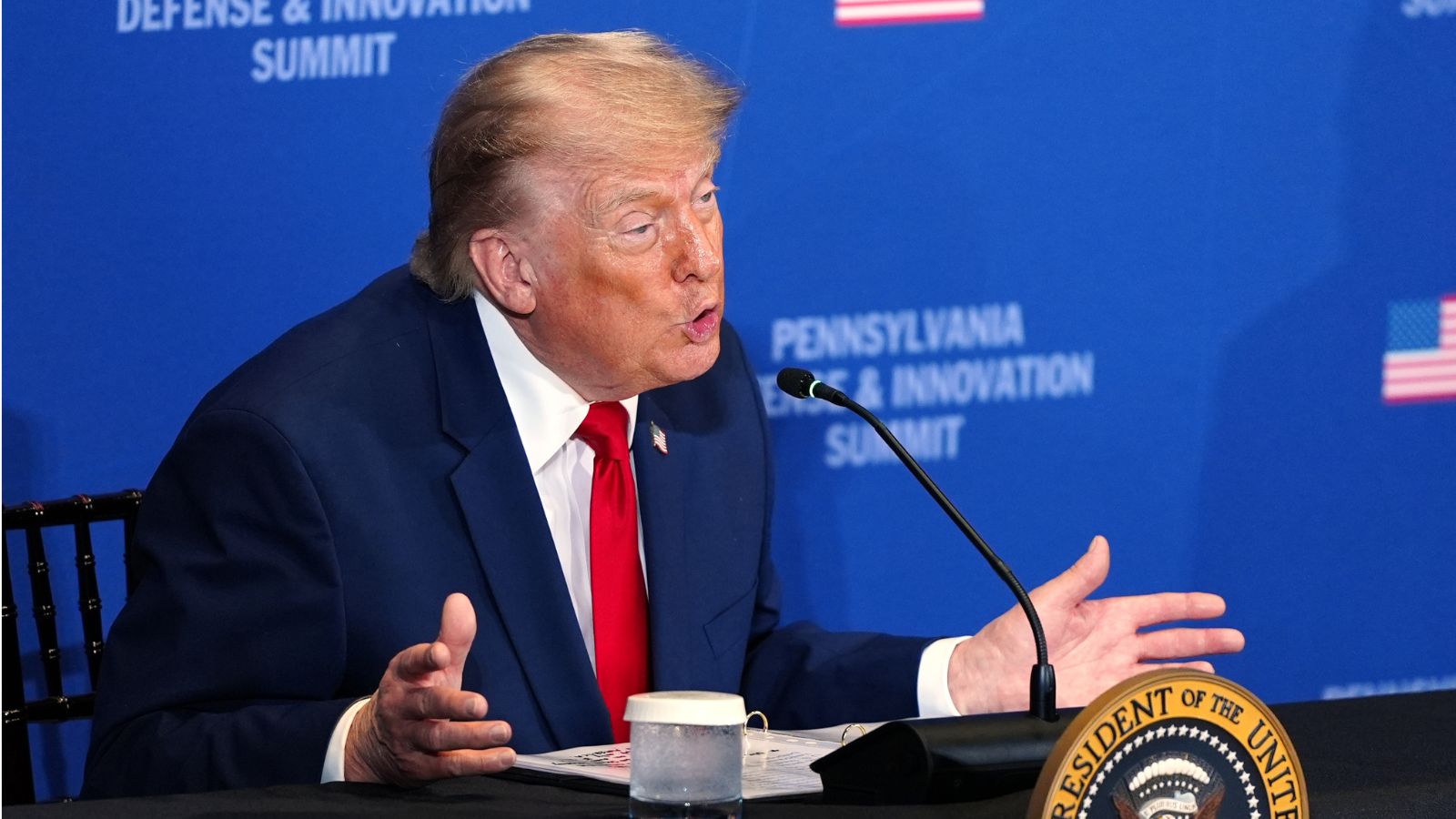
The political press corp loves a simple narrative. Whenever Donald Trump repeats his grievances about the 2020 election, mainstream pundits immediately roll out the exact same thesis: he is just a sore loser trying to pre-emptively poison the well for the next election cycle. They call it a strategy to sow doubt. They treat it like a rogue psychological operation designed to destroy faith in democracy.
They are completely missing the mechanics of modern political marketing.
Rehashing 2020 is not a forward-looking plot to break the voting system. It is a retention campaign. In political organizing, maintaining a hyper-engaged core base requires a constant, unifying grievance. Trump talks about the past because it works as an emotional anchor, keeping millions of donors and volunteers permanently mobilized. It is about brand loyalty, cash flow, and primary dominance, not a logistical blueprint to overturn the next midterm or general election.
By treating these claims as a unique existential crisis rather than standard populist grievance branding, the media gives the rhetoric the exact power it seeks.
The Myth of the Master Strategy
Pundits look at campaign speeches and see chess. They assume every repetitive rally line is part of a grand strategy to manipulate upcoming election machinery.
But I have spent years tracking how political organizations actually spend their money and time. Real operations—the ones that shift elections—happen in boring rooms with lawyers, data analysts, and compliance experts. They do not happen at podiums.
When a politician repeats a claim dozens of times, it is rarely a sophisticated messaging trick designed to manipulate independent voters. Independents hate hearing about 2020; polling proves it consistently. If the goal were purely to win over the swing voters needed to carry midterms or general elections, talking about the past is terrible strategy.
Instead, it is a fundraising engine. Political action committees (PACs) need conflict to survive. Outrage drives the small-dollar digital donations that fuel modern campaigns. The moment the rhetoric shifts to policy positions like tax rates or regulatory reform, open rates drop and donations dry up. The obsession with 2020 persists because it is the most effective monetization tool in modern political history.
Why the Media Pundits Get it Wrong
The standard news analysis asks the wrong question. Commentators constantly ask: "How will this rhetoric impact the legitimacy of the next election?"
The better question is: "Why does the media need this narrative to stay alive?"
The truth is a symbiotic relationship exists here. Trump uses the claims to keep his base furious and attentive. The media uses his claims to generate traffic, clicks, and viewer anxiety. If everyone admitted that the 2020 talk is just a stale, inward-facing compliance test for the MAGA faithful, the drama vanishes. The news cycle loses its fuel.
Let us look at how election systems actually change. Laws get rewritten by state legislatures. Rules get updated by local election boards. Lawsuits get filed months in advance. None of those concrete actions rely on rally rhetoric. In fact, while the media focuses entirely on the noise at the microphone, both major parties quietly build massive legal war chests to fight over real mechanics like mail-in ballot deadlines, signature verification, and polling hours.
The rhetoric is the distraction. The administrative grind is the reality.
The Cost of the Media Obsession
There is a downside to this contrarian view: ignoring the noise does not mean the underlying polarization disappears. The polarization is real, and it deepens when one side feels ignored and the other feels constantly under attack.
But by hyper-focusing on the theater of stolen election claims, the public misses the actual vulnerabilities in our system. We spend hundreds of hours of prime-time news debating what a politician said at an outdoor rally, while ignoring serious, structural issues like outdated voter registration databases, underfunded local election offices, and the massive turnover of exhausted poll workers who are quitting due to burnout.
If you want to protect an election, you do not do it by fact-checking a speech for the ten-thousandth time. You do it by funding the local clerk's office so they can buy better scanners and pay their staff a living wage.
Stop treating every recycled rally speech like an unprecedented threat to the Republic. It is a business model. Treat it like one, look past the theater, and focus on the actual machinery of the vote.