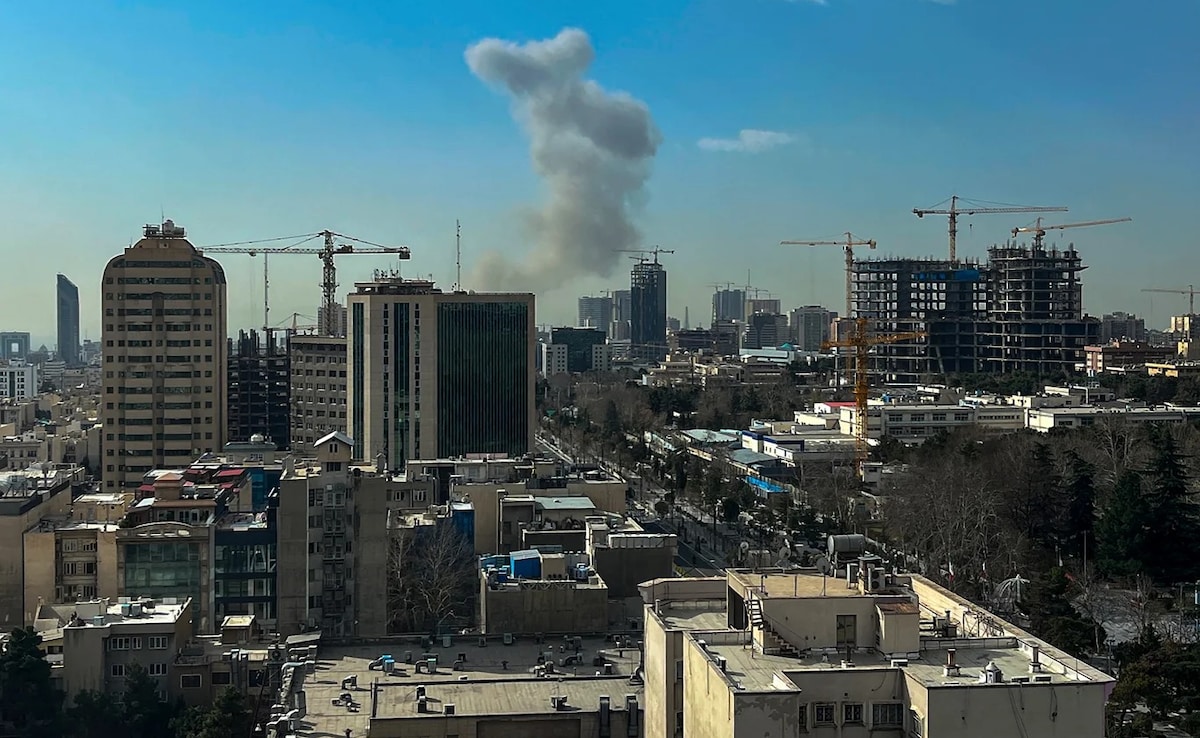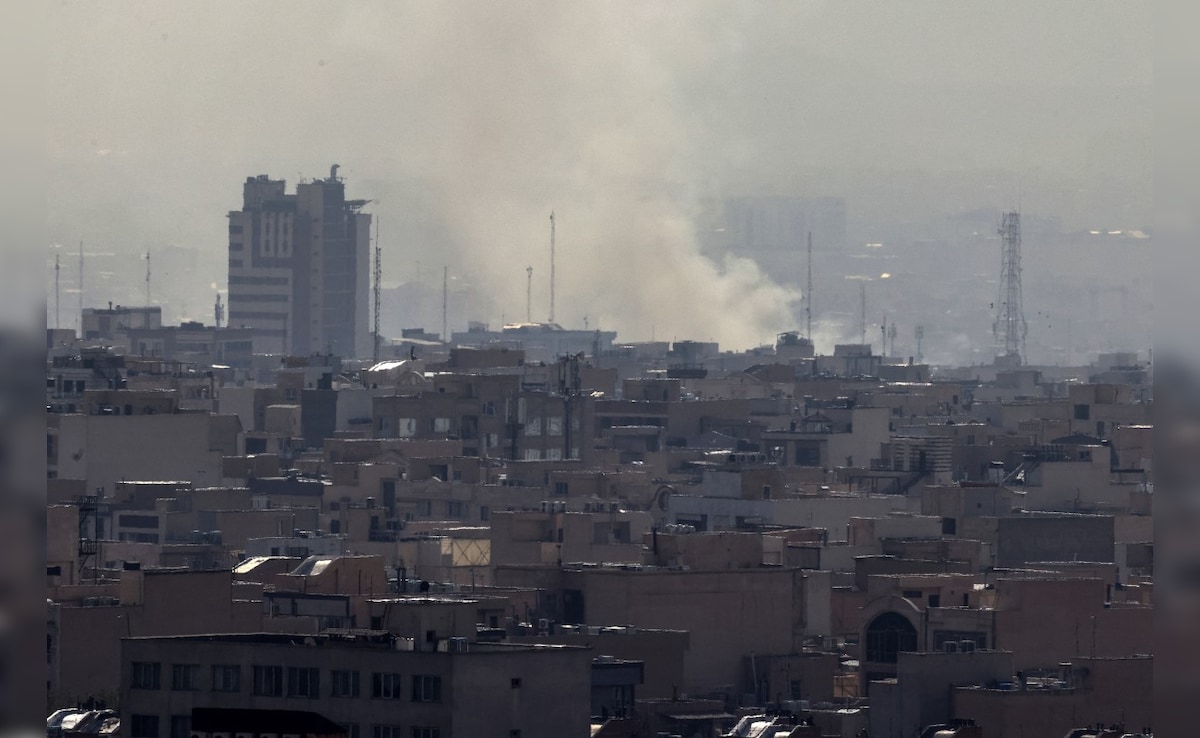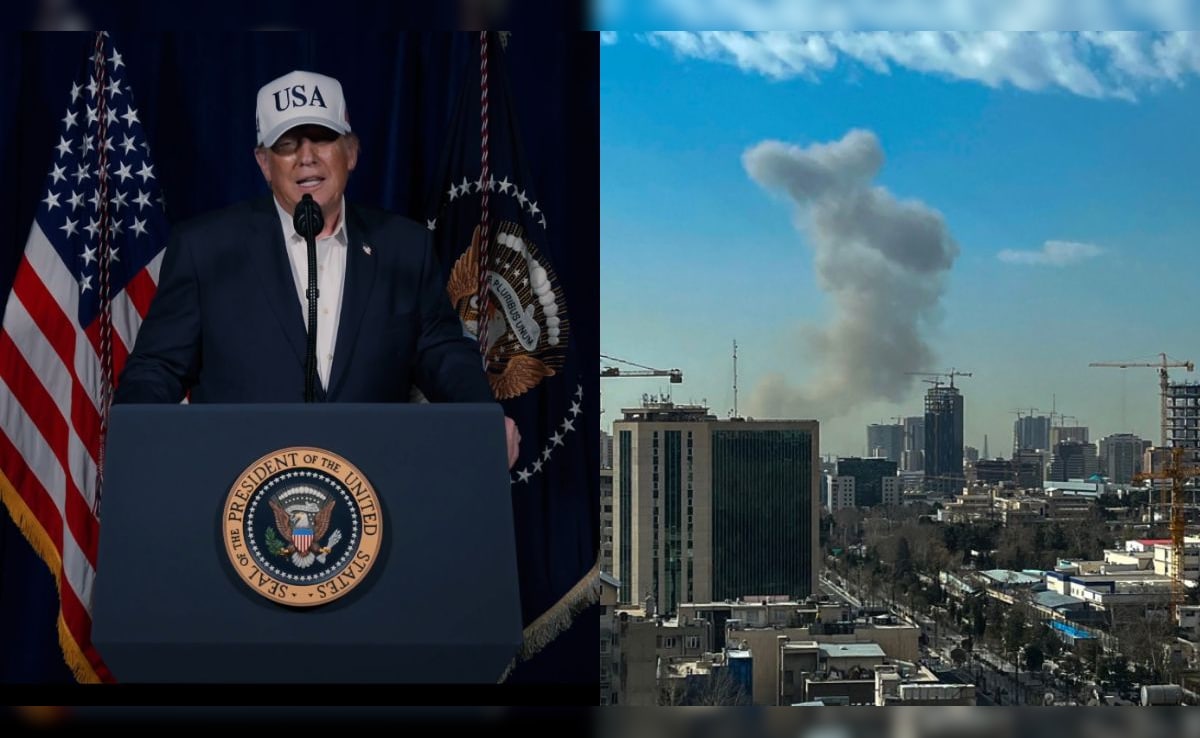
The joint U.S.-Israeli kinetic operation initiated on February 28, 2026, represents a fundamental shift in Middle Eastern geopolitical engagement from containment to active systemic dismantling. While superficial reporting focuses on the rhetoric of "freedom," a cold-eyed analysis of Operation Epic Fury (U.S.) and Lion’s Roar (Israel) reveals a calculated three-phase strategy designed to induce state-level paralysis. This is not a standard retaliatory strike; it is the first large-scale application of a "preemptive decapitation" framework aimed at a major regional power.
The operation's logic rests on the assumption that the Iranian state is a brittle structure where the removal of the ideological apex—the Supreme Leader—causes an immediate and irreversible breakdown in command and control (C2).
The Triad of Strategic Objectives
The Trump administration and the Netanyahu government have synchronized their military efforts to achieve three quantifiable outcomes:
- Total C2 Eradication: The confirmed elimination of Supreme Leader Ali Khamenei and several high-ranking IRGC commanders (including the Secretary of the Supreme National Security Council, Ali Shamkhani) targets the nervous system of the Islamic Republic. By removing the ultimate arbiter of power, the coalition seeks to create a "succession vacuum" that triggers internal fracturing among security elites.
- Nuclear and Missile Attrition: Building on the precedent of 2025's 12-day war, current strikes target deep-buried assets at Fordow and Natanz. The objective is to push the Iranian nuclear breakout timeline back by a decade by destroying not just the material, but the specialized infrastructure required for enrichment.
- Proxy Neutralization: The campaign extends beyond Iran’s borders, targeting the logistical nodes of the "Axis of Resistance." By severing the financial and command links between Tehran and its proxies in Yemen, Iraq, and Lebanon, the coalition aims to isolate the Iranian regime from its external deterrents.
The Dynamics of Preemptive Decapitation
Operation Epic Fury reflects a significant evolution in the Cost Function of Conflict. The Trump administration's justification for the February 28 strikes—that intelligence indicated an "imminent" Iranian ballistic missile launch—shifts the U.S. posture from reactive to preemptive.
The Risk of Systemic Collapse
The strategic gamble of this operation lies in the assumption that the Iranian population, given "their only chance for generations," will mobilize to fill the power vacuum. However, historical data on regime change suggests that a decapitation strike without a follow-on ground presence often leads to Internal Security Fragmentation.
- The Command Paradox: While the removal of the Supreme Leader disrupts centralized decision-making, it also removes the one authority capable of ordering a de-escalation or negotiating a ceasefire.
- The Security Dilemma: Without a clear successor, IRGC factions and the conventional military (Artesh) may engage in internal conflict or, conversely, unite in a hyper-nationalistic "last stand" scenario.
The Immediate Retaliatory Calculus
The Iranian response on March 1, 2026, confirms that Tehran’s command and control were not entirely neutralized in the initial wave. The targeting of U.S. bases in Bahrain, Qatar, Kuwait, Jordan, and the UAE, alongside strikes on Israeli population centers, represents a Regionalization Strategy.
- Horizontal Escalation: By striking multiple Gulf states, Iran seeks to raise the "political cost" for U.S. allies. The objective is to pressure Riyadh and Abu Dhabi into demanding a cessation of U.S. operations to protect their own infrastructure, such as the reported fires at the Burj Al Arab in Dubai.
- Infrastructure Asymmetry: Iran’s use of low-cost Shahed-class drones and ballistic missiles against high-value targets (like the Burj Khalifa or international airports) forces the U.S. and its partners to expend expensive interceptor missiles, creating a negative economic attrition rate.
- Command Resilience: Despite the reported deaths of top officials, the Iranian Ministry of Foreign Affairs' continued diplomatic engagement through Abbas Araghchi indicates a surviving bureaucratic layer that remains committed to a policy of "defiance and resistance."
Constraints and Operational Realities
While President Trump’s rhetoric emphasizes the "gift of freedom," the operational reality on the ground in Iran is far more complex. The Monopoly of Force remains largely in the hands of the IRGC and the Ministry of Intelligence, even without a central leader.
The Starlink Variable
The reported use of Starlink in Iran as part of this operation is a critical component of the "uprising" strategy. By providing an alternative communication channel, the U.S. aims to bypass the regime’s internet blackouts. The effectiveness of this tool depends on the ability of Iranian dissidents to organize in real-time under the constant threat of IRGC kinetic responses on the streets.
The Ground Presence Constraint
A major limitation of the current strategy is the absence of U.S. ground troops. Without "boots on the ground," the coalition is entirely dependent on the Iranian public and defecting security forces to secure the country’s territory. This creates a high probability of Governance Collapse, where localized militias or criminal elements fill the void left by the central government.
The Tactical Road Ahead
The immediate priority for the coalition is the suppression of Iranian retaliatory assets—specifically the remaining mobile ballistic missile launchers in western Iran and the naval capabilities of the IRGC-N.
The strategic play is to continue the aerial campaign until the Iranian security apparatus either capitulates or disintegrates. The success of this operation will be measured not by the rhetoric of freedom, but by whether a new, stable governance structure can emerge from the ashes of the Islamic Republic without plunging the region into a multi-decade civil war.
The next critical move will be the U.S. response to Iranian strikes on Gulf partners. If the U.S. fails to protect its allies' civilian infrastructure, the "Epic Fury" coalition may fracture long before the Iranian regime does.
Would you like me to analyze the specific economic impact of the Iranian retaliatory strikes on the global aviation and energy markets?