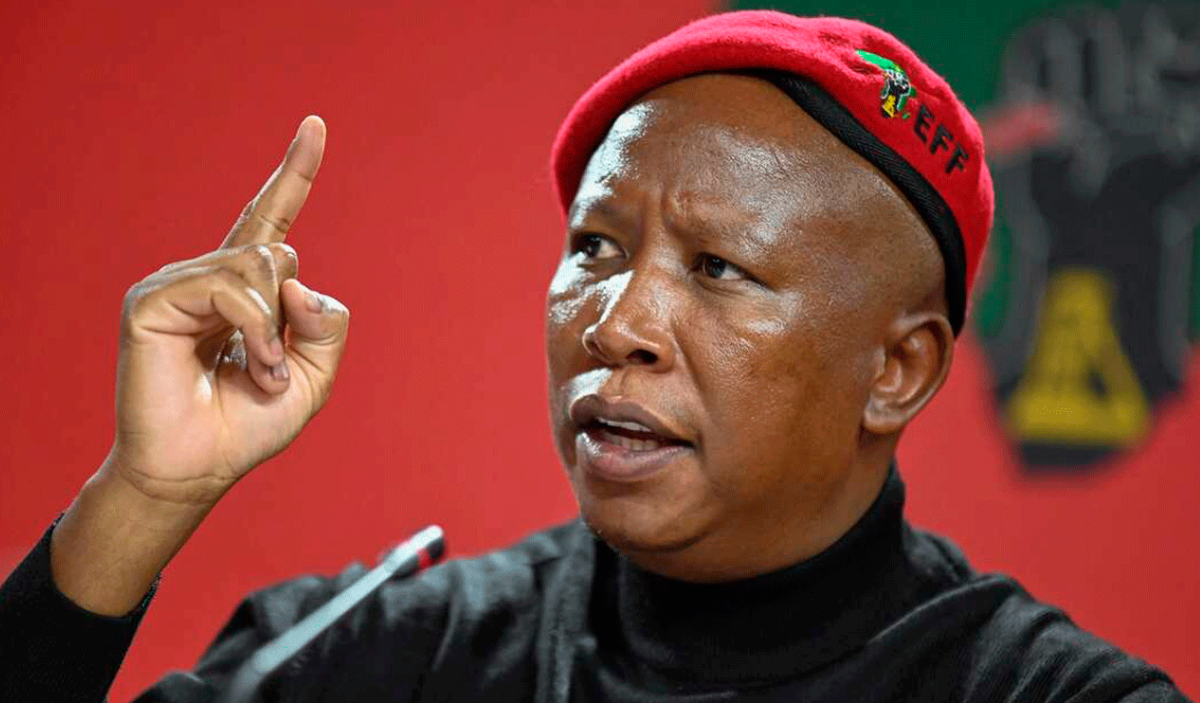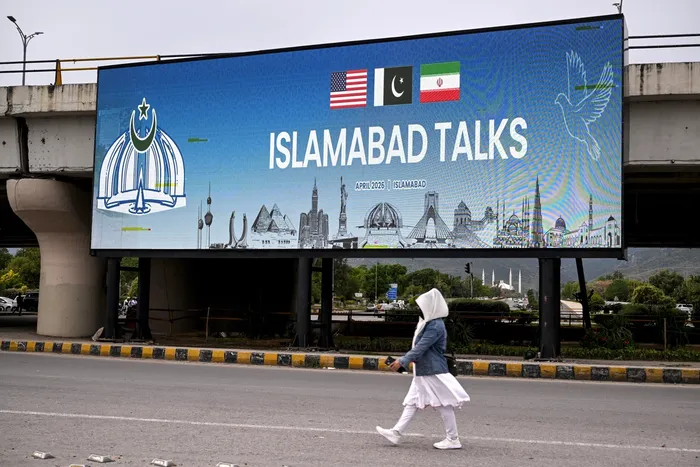
The persistence of the West Asia conflict is not merely a failure of diplomacy but a breakdown of the existing security architecture. Traditional Western mediation has reached a point of diminishing marginal returns due to perceived partisan alignment and the historical baggage of interventionism. Mohamed Nasheed’s proposition that India can play a "big part" in ending the war is grounded in a specific geopolitical shift: the transition from a unipolar oversight model to a multipolar functionalist model. India’s potential efficacy is not a product of moral standing alone; it is a function of its unique position at the intersection of three critical variables: energy dependency, strategic autonomy, and a proven track record of de-hyphenated foreign policy.
The Triangulation of Influence
To understand how a non-Western power like India can impact the Levant and the Gulf, we must analyze the "Triad of Influence" that defines its regional engagement.
- Economic Integration via IMEC: The India-Middle East-Europe Economic Corridor (IMEC) represents a structural incentive for peace. Unlike purely diplomatic overtures, IMEC provides a hardware-based reason for regional stability. War increases the risk premium on infrastructure, rendering multi-billion dollar transit corridors unbankable.
- Energy Security Asymmetry: India is one of the largest importers of crude oil from the region. This creates a bilateral dependency. While the Gulf states require the Indian market to hedge against the global energy transition, India requires price stability to maintain its domestic GDP growth.
- The Diaspora Remittance Loop: With millions of Indian nationals working in West Asia, India has a direct "skin in the game" regarding regional security that distant superpowers do not possess. This creates a domestic political imperative for New Delhi to act as a stabilizer rather than a disruptor.
The De-hyphenation Framework
The primary barrier to mediation in West Asia has been the "Zero-Sum Trap"—the belief that a gain for one actor is an inherent loss for another. India’s diplomatic strategy operates on a de-hyphenated framework, which allows it to maintain robust ties with Israel while simultaneously strengthening its relationship with the Arab world and Iran.
This is not a middle-of-the-road policy; it is a parallel-track policy. By decoupling its relationship with Tel Aviv (centered on defense technology and cybersecurity) from its relationship with Riyadh or Tehran (centered on energy and logistics), India avoids the alignment fatigue that plagues US-led initiatives. In a mediation context, this allows India to act as a "clean signal" transmitter between parties that have ceased direct communication.
Barriers to Entry and Operational Constraints
Suggesting that India can play a role is different from defining how it will execute that role. Several structural bottlenecks exist:
- Security Architecture Deficit: India has historically avoided projecting hard power in the region. Mediation often requires security guarantees—boots on the ground or maritime patrols—that New Delhi is currently hesitant to provide outside of UN mandates.
- The China Variable: The competition between India and China for regional influence creates a competitive mediation environment. China’s brokering of the Iran-Saudi Arabia deal set a precedent for non-Western intervention, forcing India to decide whether it will compete as a rival mediator or focus on economic stabilization.
- Non-State Actor Complexity: While India is adept at state-to-state diplomacy, the West Asia conflict involves complex non-state actors (Hezbollah, Hamas, Houthis). India’s rigid adherence to state sovereignty makes it less equipped to negotiate with decentralized militant groups compared to traditional regional intermediaries like Qatar or Egypt.
The Cost Function of Continued Neutrality
Every day the conflict continues, the "Opportunity Cost of Inaction" for India rises. We can quantify this through the following metrics:
- Logistics Volatility: The Red Sea crisis, triggered by Houthi interventions, directly impacts Indian export competitiveness. Increased freight rates and insurance premiums act as a hidden tax on Indian manufacturing.
- Energy Inflation: Sustained conflict introduces a "conflict premium" of $5–$15 per barrel of oil. For every $10 increase in oil prices, India's trade deficit expands significantly, creating downward pressure on the Rupee.
- Geopolitical Displacement: If India remains a passive observer, it risks being sidelined in the eventual post-war reconstruction and the setting of new regional norms, allowing other powers to dictate the terms of trade and security.
Strategic Execution Path
For India to move from a "potential" mediator to an "active" stabilizer, it must deploy a three-phase operational strategy:
Phase I: Intelligence and Back-Channel Standardization
Leverage existing security cooperation with regional intelligence agencies to establish a "No-Conflict Zone" protocol for critical infrastructure. This involves using Indian diplomatic channels to ensure that essential trade routes and energy facilities are designated as off-limits for kinetic operations.
Phase II: The Economic Reconstruction Pivot
Position India as the primary contractor for post-war reconstruction. By linking reconstruction aid to long-term trade agreements, India can create a "Pax Economica." The focus should be on digital public infrastructure (DPI)—exporting the "India Stack" (UPI, digital identity) to help rebuild the administrative capacities of war-torn regions.
Phase III: Multilateral Anchoring
India should not act alone. The most effective path is through the I2U2 (India, Israel, USA, UAE) grouping. This allows India to provide the "neutral" face of mediation while leveraging the financial and security weight of its partners.
The transition from a passive beneficiary of regional stability to an active architect of it requires a departure from traditional non-alignment. India’s value proposition is not that it is "friend to all," but that it is a "creditor to all"—an actor with the economic and demographic weight to make the cost of war higher than the cost of peace.
The strategic play is to move beyond the rhetoric of "ending the war" and focus on the technicalities of "managing the peace." New Delhi must prioritize the stabilization of the Red Sea shipping lanes as a test case for its broader regional leadership. By deploying a permanent naval presence focused on trade protection rather than power projection, India can demonstrate the tangible benefits of its involvement without triggering the political sensitivities of regional hegemony. The success of this move will determine whether India remains a rising power or becomes a presiding power in the Indian Ocean and its adjacent territories.