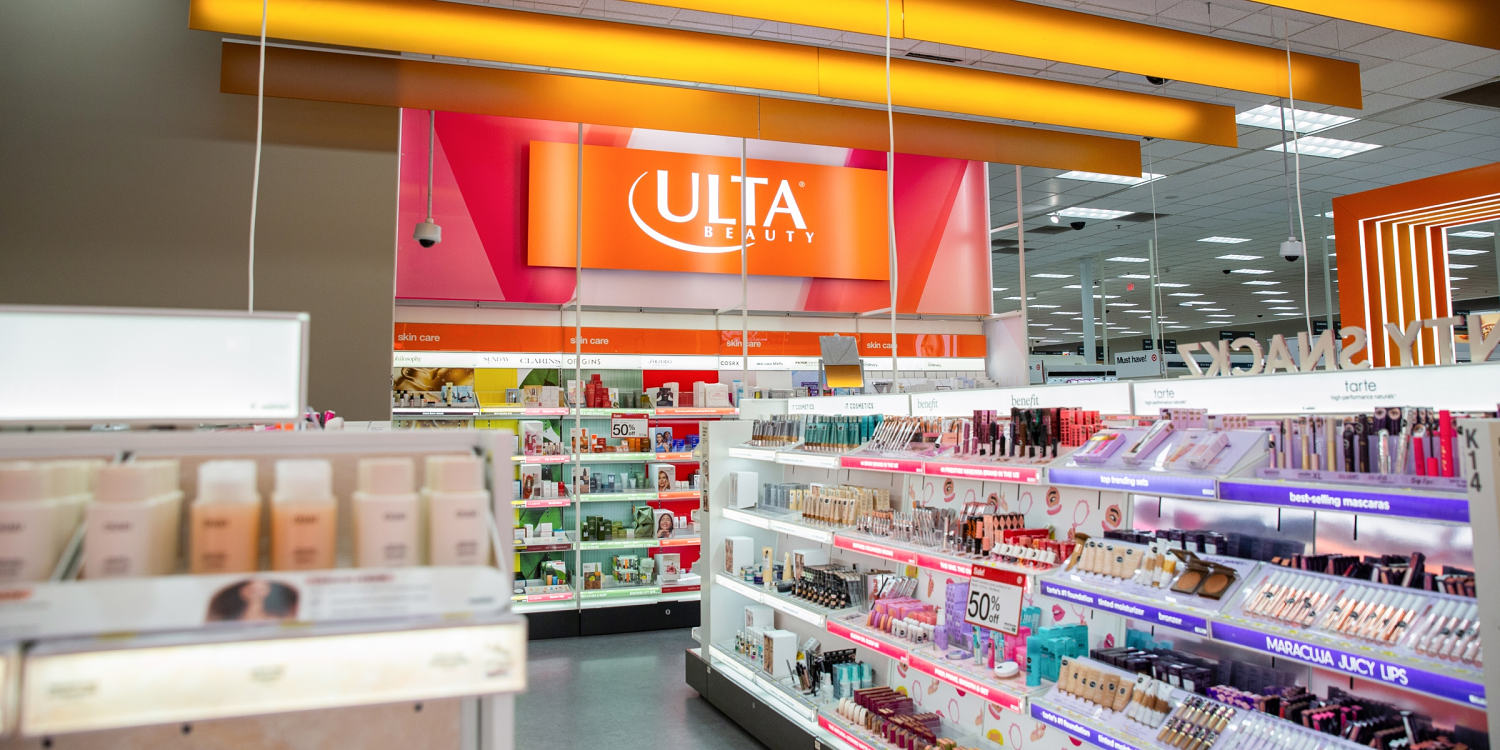
High-volume retail promotional events are rarely simple altruistic price reductions; they are structured inventory clearing operations designed to optimize working capital cycles before seasonal shifts. The Ulta Summer Beauty Sale, featuring tier-structured discounts up to 40% across prestige and clinical portfolios like Clinique and Olaplex, serves as a prime case study in margin optimization, customer acquisition cost reduction, and supply chain rebalancing. Understanding this event requires moving past consumer-facing marketing narratives to analyze the underlying unit economics, inventory depreciation curves, and psychological triggers that drive multi-brand retail ecosystems.
The Tri-Product Promotional Architecture
Large-scale beauty retail events operate on a strict mathematical framework designed to maximize average order value while liquidating specific tranches of inventory. Retailers segment promotional stock into three distinct operational buckets, each serving a separate financial purpose. You might also find this related article useful: The Microeconomic Leverage of Scarcity: Analyzing Samsung's 1800 Percent Profit Surge.
1. High Margin Anchor Brands
Prestige skincare and makeup assets, exemplified by legacy players like Clinique, carry high gross margins that frequently exceed 70% at standard retail pricing. A 30% to 40% discount on these items compresses the retailer’s immediate margin but maintains profitability while functioning as a primary traffic driver. The objective here is customer acquisition and basket building.
2. Supply Chain Corrective Stock
Haircare and clinical treatments, such as Olaplex, occupy a different operational reality. These products often suffer from demand stabilization or over-saturation after intense viral growth cycles. Retailers use deep discounts on these specific SKUs to clear warehouse space, accelerate inventory turnover ratios, and free up capital tied up in slow-moving stock before late-summer and holiday replenishments arrive. As reported in recent coverage by The Wall Street Journal, the implications are widespread.
3. Margin Balancers
These are full-price cross-sells, impulse purchases, and exclusive product launches strategically placed adjacent to discounted items. The goal is to ensure that while the consumer receives a high discount on a headline product, the total cart margin is pulled back toward the baseline by un-discounted consumables like beauty tools, travel-sized items, or trending cosmetics.
The financial success of this architecture depends on the cross-elasticity of demand. The retailer assumes that a discount on a prestige anchor product will stimulate disproportionate volume increases not just for that specific item, but across the entire basket.
The Customer Value Equation and Brand Equity Erosion
From a brand perspective, participating in a mass-retailer liquidation event introduces a complex trade-off between short-term volume spikes and long-term brand equity degradation. Prestige beauty relies heavily on Veblen effects and perceived exclusivity. When a brand like Olaplex or Clinique permits a 40% price reduction within a highly visible retail window, it alters consumer perception of the brand's intrinsic value.
The economic mechanism at play is the reference price shift. Once a consumer purchases a premium hair treatment or dermatological serum at a 40% discount, that promotional price becomes the new psychological baseline. Future purchases at full retail price feel like a financial penalty, which can suppress non-promotional sales volume for quarters following the event.
Brands mitigate this risk through strategic SKU selection. They rarely discount their core, evergreen hero products at the maximum rate. Instead, the highest discount tiers are typically restricted to:
- Discontinued formulations or packaging variations.
- Seasonal color palettes that lose relevance after the summer quarter.
- Bundled kits where the cost of goods sold is artificially lowered by smaller fill sizes.
- Slow-moving product lines that failed to hit internal velocity targets.
This creates an information asymmetry between the retailer and the consumer. The consumer perceives a universal sale on premium brands, whereas the operation is actually a targeted liquidation of underperforming or transitioning assets.
The Mechanics of Consumer Arbitrage
For the rational consumer, these promotional windows represent an opportunity for structural financial optimization, provided the purchasing strategy removes emotional impulse. The objective is to extract maximum utility from the retailer's margin compression without falling into the basket-building traps set by the promotional architecture.
A systematic approach to navigating these events requires analyzing products through a framework of consumption velocity and shelf-life stability.
Liquid Formulations vs. Powder and Anhydrous Products
Skincare items containing active ingredients, such as vitamin C, retinoids, or specific peptide complexes found in clinical brands, possess a rigid degradation timeline once manufactured. Buying these products in bulk during a summer sale introduces a high risk of chemical spoilage before consumption. Conversely, anhydrous formulations, hair treatments, and synthetic-bristle tools have exceptionally long shelf lives, making them prime candidates for forward-buying strategies.
The Replacement Lifecycle Matrix
Consumers can calculate the financial efficiency of a promotional purchase by mapping their consumption metrics against the discount percentage.
- High-Velocity Consumables (Shampoo, Cleansers, Daily Moisturizers): These products have a predictable exhaustion rate (typically 30 to 60 days). Purchasing a 3-to-6-month supply at a 40% discount yields direct inflationary protection and high annualized return on capital, assuming storage conditions prevent degradation.
- Low-Velocity Consumables (Active Serums, Targeted Treatments, Color Cosmetics): These items are used sparingly or change based on seasonal trends. Buying backups of these items often leads to capital lock-up or product expiration, neutralizing the initial discount.
Inventory Dynamics and the Retail Bottleneck
The timing of mid-summer beauty promotions is dictated by the realities of retail supply chain logistics. The period between late June and early August represents a historic lull in consumer spending on beauty and apparel. School holiday disruptions shift discretionary spending toward travel, while the major shopping catalysts of the fourth quarter remain months away.
This creates a severe bottleneck for retailers. Warehouses are already receiving autumn and winter stock, yet retail shelves are still occupied by spring and summer inventory. The holding cost of inventory includes warehousing fees, insurance, depreciation, and opportunity cost. If a retailer holds onto a slow-moving $50 skin cream for an extra three months, the capital tied up in that unit cannot be deployed into high-velocity holiday gift sets.
By executing a aggressive, time-limited discount event, the retailer converts stagnating inventory into immediate liquidity. This liquidity is then instantly reallocated to purchase high-margin autumn stock. The 40% discount is not a loss; it is an optimization fee paid to clear the channel.
The second limitation of this strategy rests on supply elasticity. Retailers often cap the quantities available per transaction to prevent commercial diversion—where independent sellers buy out discounted stock to resell it later at a partial markup. This limitation proves that the sale is calibrated strictly for consumer-level distribution to clean out the long-tail inventory profile without disrupting wholesale pricing stability.
Tactical Execution for Maximizing Purchasing Utility
To extract genuine financial value from high-volume promotional events, consumers must shift from passive discovery to programmatic execution. The following three-step protocol minimizes exposure to retail margin-balancing tactics while maximizing discount capture.
- Establish an Inflexible Sourcing Manifest: Before entering the promotional platform, inventory your existing assets and define a strict replacement list based entirely on products already integrated into your daily utility loop. This completely eliminates the psychological pull of discovery-driven impulse buys.
- Execute the Unit Price Verification Filter: Retailers frequently adjust packaging sizes or present multi-packs that obscure the true price per ounce or milliliter. Compare the promotional price per unit of volume against the standard packaging sizes to confirm that the discount is scaling linearly, rather than being eroded by reduced product volume.
- Isolate the Anchor Discounts: Restrict purchasing actions exclusively to the tier-one discounted items (30% to 40% off anchor brands like Olaplex or Clinique). Abandon the checkout sequence immediately if any full-price margin balancers enter the basket. The entire retail strategy relies on the consumer adding an un-discounted $25 item to a cart containing a $15 discount; neutralizing this cross-sell behavior shifts the net financial advantage entirely back to the buyer.