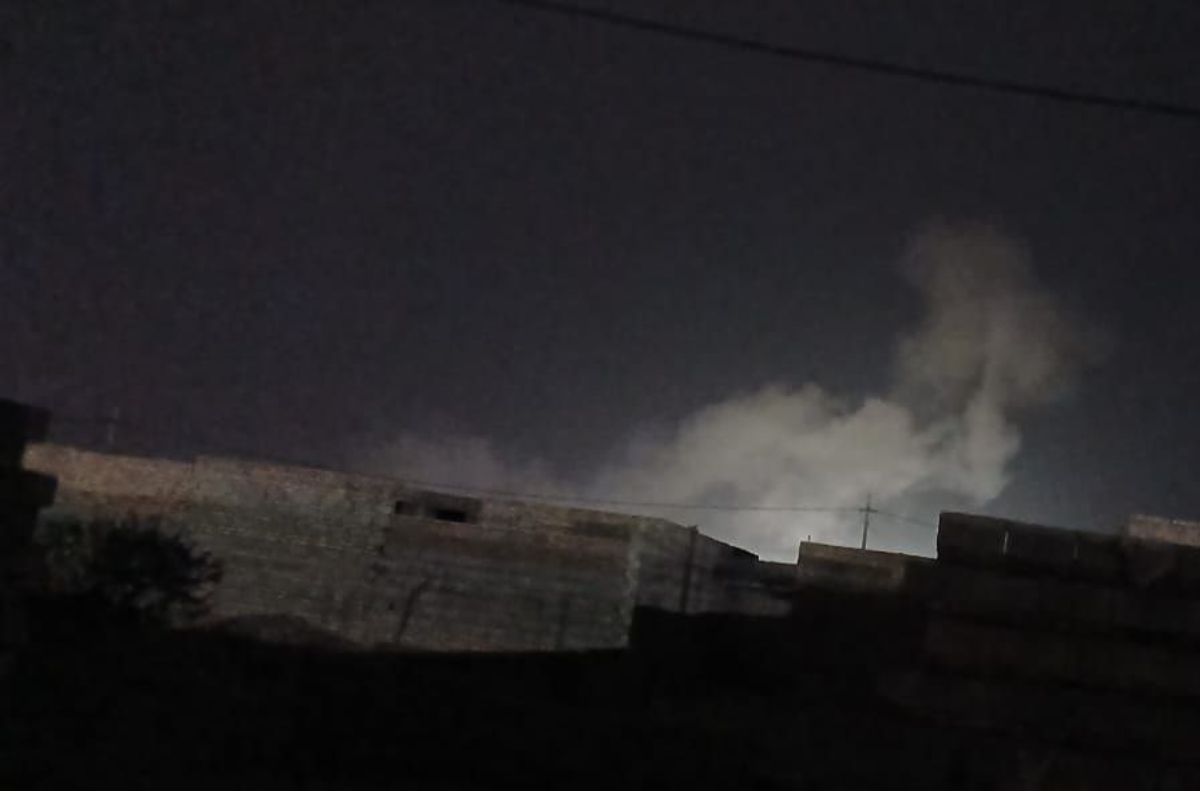
The collapse of the June 2026 interim Memorandum of Understanding (MoU) between Washington and Tehran has transformed a low-intensity containment cycle into a systematic war of attrition. The overnight strike profiles executed by United States Central Command (CENTCOM) against targets in southern Iran represent a structural shift from punitive deterrence to active logistical degradation. By shifting the target set from purely military nodes to dual-use infrastructure—specifically targeting the Bandar-e Khamir and Kehvarstan bridges in Hormozgan province—the kinetic strategy aims to isolate coastal launching zones from inland manufacturing corridors. This expansion of the target envelope exposes the fundamental friction of modern asymmetrical deterrence: the boundary between military logistics and civilian infrastructure is functionally non-existent in a highly integrated command structure.
The Logistics Attrition Model
The targeting of transport corridors in southern Iran reflects a calculated cost-imposition strategy. The primary objective is not the immediate destruction of fixed military installations, but the disruption of the internal distribution network that feeds the Islamic Revolutionary Guard Corps (IRGC) coastal defenses along the Strait of Hormuz.
An evaluation of the strike geography reveals three main vectors of disruption:
- Supply Line Interdiction: The destruction of five key bridges in Hormozgan province severs the primary land routes linking inland production facilities to coastal missile batteries and fast-attack craft bases. Without these bridges, the transit time for replenishing precision-guided munitions and unmanned aerial vehicles (UAVs) increases by orders of magnitude, forcing reliance on vulnerable secondary routes.
- Maritime Command Degradation: The destruction of the maritime control tower at the Port of Chabahar directly degrades real-time radar and visual monitoring of the Gulf of Oman. This limits the tactical awareness required to coordinate multi-vector swarming attacks against commercial shipping or naval assets.
- Energy and Utility Strain: Strikes affecting localized power substations, such as the facility on Kish Island, place an immediate operational burden on military command centers, which must transition to isolated generator power, exposing them to thermal tracking and resource limits.
Tehran’s response is governed by a symmetric doctrine of exported instability. Because the domestic economy cannot sustain a protracted conventional bombardment, the IRGC seeks to equalize the strategic cost by targeting Western-aligned logistics hubs across the Gulf. The drone and missile salvos launched against facilities in Kuwait, Bahrain, and Oman are designed to pressure host nations into restricting the airspace and staging rights granted to American forces.
The Asymmetrical Escalation Loop
The core bottleneck in this conflict is the disproportionate economic vulnerability of global maritime trade compared to the low-cost manufacturing capacity of Iranian proxy networks. The United States enforces a naval blockade in the Gulf of Oman to starve the Iranian economy of export revenue, yet the operational cost of maintaining a continuous naval presence and firing advanced air defense interceptors creates a negative financial ratio.
The current escalation matrix functions through distinct operational mechanisms:
[US Kinetic Degradation of Coastal Infrastructure]
                       │
                       ▼
[Iranian Retaliation via Localized Ballistic/UAV Strikes on Gulf Allies]
                       │
                       ▼
[Potential Activation of Red Sea Proxy Corridors (Houthis)]
                       │
                       ▼
[Global Supply Chain Shock & Maritime Insurance Premium Surges]
This structural loop means that every successful American strike on domestic Iranian infrastructure increases the probability of an asymmetric response along secondary maritime chokepoints. Intelligence reports indicate that Tehran has already communicated contingencies to Houthi forces in Yemen to resume operations against shipping in the Red Sea and the Bab el-Mandeb Strait if domestic infrastructure degradation continues. Opening a secondary maritime front simultaneously would disrupt two of the world's most critical energy transit routes, overwhelming Western naval coordination and driving up international shipping insurance premiums.
Strategic Boundaries and Systemic Risk
The current strategic impasse stems from mismatched political objectives. The United States uses maximum military pressure to compel a weakened Iranian administration back to the negotiating table under highly unfavorable conditions. Tehran, conversely, views any diplomatic concession under direct kinetic duress as an existential threat to its regime security. When diplomatic face-saving mechanisms are removed, military actions are dictated entirely by operational momentum rather than clear political goals.
A primary risk factor is the internal fragmentation of host-nation support. States like Kuwait and Bahrain, while hosting vital Western military infrastructure, face direct damage from intercepted or successful missile strikes. If the frequency of these retaliatory strikes increases, the political cost for Gulf cooperation states may exceed the perceived security benefits of hosting offensive Western operations, threatening the coherence of the regional security architecture.
The immediate trajectory indicates a sustained phase of infrastructure attrition. The United States will likely continue targeting transport nodes and air defense systems to secure the Strait of Hormuz, while Iran will increasingly utilize its remaining ballistic missile and UAV inventories to target vulnerable regional energy facilities. If this cycle persists without a mediated communication channel, the transition from managed escalation to unconstrained regional war will become structurally inevitable. Naval forces must anticipate immediate, uncoordinated asymmetric activity in both the Persian Gulf and the wider Indian Ocean basin.