Federal authorities formally charged Melissa L. Farris with two felony counts following the structural defacement and chemical tampering of the National World War II Memorial in Washington, D.C. The incident, which involved the application of aerosol paint to the Atlantic pavilion and the introduction of surfactant agents into the commemorative water features, triggered an immediate prosecutional response from the U.S. Attorney’s Office for the District of Columbia.
Analyzing the mechanics of this enforcement action requires examining the statutory framework governing federal property protection, the operational response matrix of local park police, and the friction points between federal prosecutorial discretion and executive oversight.
The Statutory Framework and Exposure Metrics
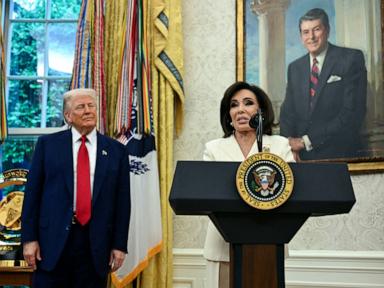
U.S. Attorney Jeanine Pirro announced the filing of two specific federal charges: Depredation Against Property of the United States and Destruction of Veterans' Memorials. These classifications carry strict statutory maximum penalties, establishing the baseline legal exposure for individuals engaging in physical alterations of protected federal assets.
- Depredation Against Property of the United States: This charge addresses the intentional damage or destruction of any property owned or leased by the federal government. The severity of the charge scales with the financial valuation of the remediation costs required to restore the asset to its baseline state.
- Destruction of Veterans' Memorials: Codified specifically to protect monuments, plaques, and commemorative structures dedicated to military service members, this charge carries enhanced penalties to deter politically or ideologically motivated attacks on historical installations.
Each charge carries a maximum penalty of up to ten years in federal prison. The rapid identification and apprehension of the suspect were accelerated by self-published digital media documentation and witness identification, bypassing the investigative latency typical of anonymous property crimes.
The Operational Cost Function of Asset Remediation
Defacing federal memorials generates an immediate, multi-layered economic and operational cost function for municipal and federal agencies. Remediation is not merely a matter of aesthetic cleanup; it requires specialized intervention to prevent permanent chemical degradation of historical stone and metalwork.
The cost function comprises three primary variables:
- Chemical Mitigation Expense: The introduction of surfactants and foaming agents into the memorial fountains requires immediate water-system flushing, pH neutralization, and mechanical filtration overhaul to prevent pump cavitation and long-term corrosion of internal piping networks.
- Restoration Labor Efficiency: Aerosol paint removal on porous stone surfaces demands abrasive-free chemical stripping or controlled micro-blasting. Improper technique permanently alters the stone texture, translating historical preservation into a high-skill, low-margin operational task.
- Security Displacement Overhead: Incidents of public-facing vandalism force a reallocation of U.S. Park Police resources, increasing the security baseline and accelerating the friction between open public access and perimeter defense.
The Political and Institutional Friction Matrix
This prosecution occurs within a charged institutional environment characterized by recent friction between the Department of Justice and the executive branch regarding monument protection. The preceding controversy surrounding the Lincoln Memorial Reflecting Pool—where initial allegations of vandalism were later reclassified as structural degradation resulting from substandard remodeling workmanship—established a complex precedent for how high-profile damage claims are investigated.
In the current case, the evidentiary chain of custody was insulated from ambiguity by the suspect's direct admissions, digital video broadcasts, and immediate physical identification by law enforcement personnel who had interacted with the individual days prior. This eliminated the diagnostic errors that plagued the earlier reflecting pool investigation, allowing prosecutors to move directly to indictment without relying on speculative attributions.
Strategic Enforcement Play
Federal prosecutors must balance maximum statutory enforcement with transparent evidentiary disclosures to maintain institutional credibility. To optimize deterrence without inviting procedural challenges, the U.S. Attorney’s Office should establish a standardized protocol for publicizing structural damage assessments that cleanly separates verified chemical and physical lab results from preliminary public commentary.