The sea near Larak Island does not look like a battleground.
At dawn, the water off the southern coast of Iran catches the early light and turns the color of hammered tin. Small fishing skiffs drift across the swells, their wooden hulls weathered to a silver-grey, bobbing in a silence that feels ancient and undisturbed. Down below, schools of sardines flash silver against the dark reefs. Above, the air is thick with the heavy, salt-laden heat of the Persian Gulf, a place where time usually measures itself in the slow crawl of tides and the steady rhythm of diesel engines coughing to life in sleepy harbors.
Then the sky tears open.
When the missiles strike Larak Island, the fishermen do not hear them coming. They feel them first. A low, subterranean thud that rattles the teeth in the skull and turns the flat surface of the sea into a chaotic dance of white water. Within seconds, thick pillars of black smoke begin to swallow the morning horizon, blotting out the sun and turning the bright Persian Gulf water the color of bruised iron.
By mid-morning, traders in Singapore, London, and New York are staring at computer screens that flicker with frantic red numbers. Oil jumps more than two percent in a matter of minutes.
To the men and women sitting in air-conditioned trading desks six thousand miles away, that two percent is a blip. It is a line on a chart, a minor percentage point, a calculated adjustment in a spreadsheet. But for the family huddled in a concrete kitchen in Bandar Abbas, watching the black plumes rise across the strait, that same number means the price of bread is about to double. It means the trucks carrying their winter vegetables will charge more for fuel. It means the invisible gears of the modern world have just jammed, and everyone is about to feel the friction.
We live our lives cushioned by distance. We turn a key in a deadbolt, flip a switch on a wall, or pull up to a neon-lit pump, rarely stopping to consider the fragile chain of geography and raw nerve that keeps the lights on. We treat energy like water pouring endlessly from a municipal tap, an infinite resource that obeys our routine.
Larak Island is one of those stubborn pressure points where the illusion of infinite supply meets the cold reality of stone and steel.
Situated strategically in the Strait of Hormuz—that narrow, liquid throat through which roughly a fifth of the world's petroleum supply must pass—Larak has long been a quiet giant in the global energy trade. Tankers the size of skyscrapers anchor off its shores, transferring millions of barrels of crude from one hull to another in the deep, sheltered channels. It is a quiet, clandestine ballet of heavy industry, happening just out of sight of the main shipping lanes.
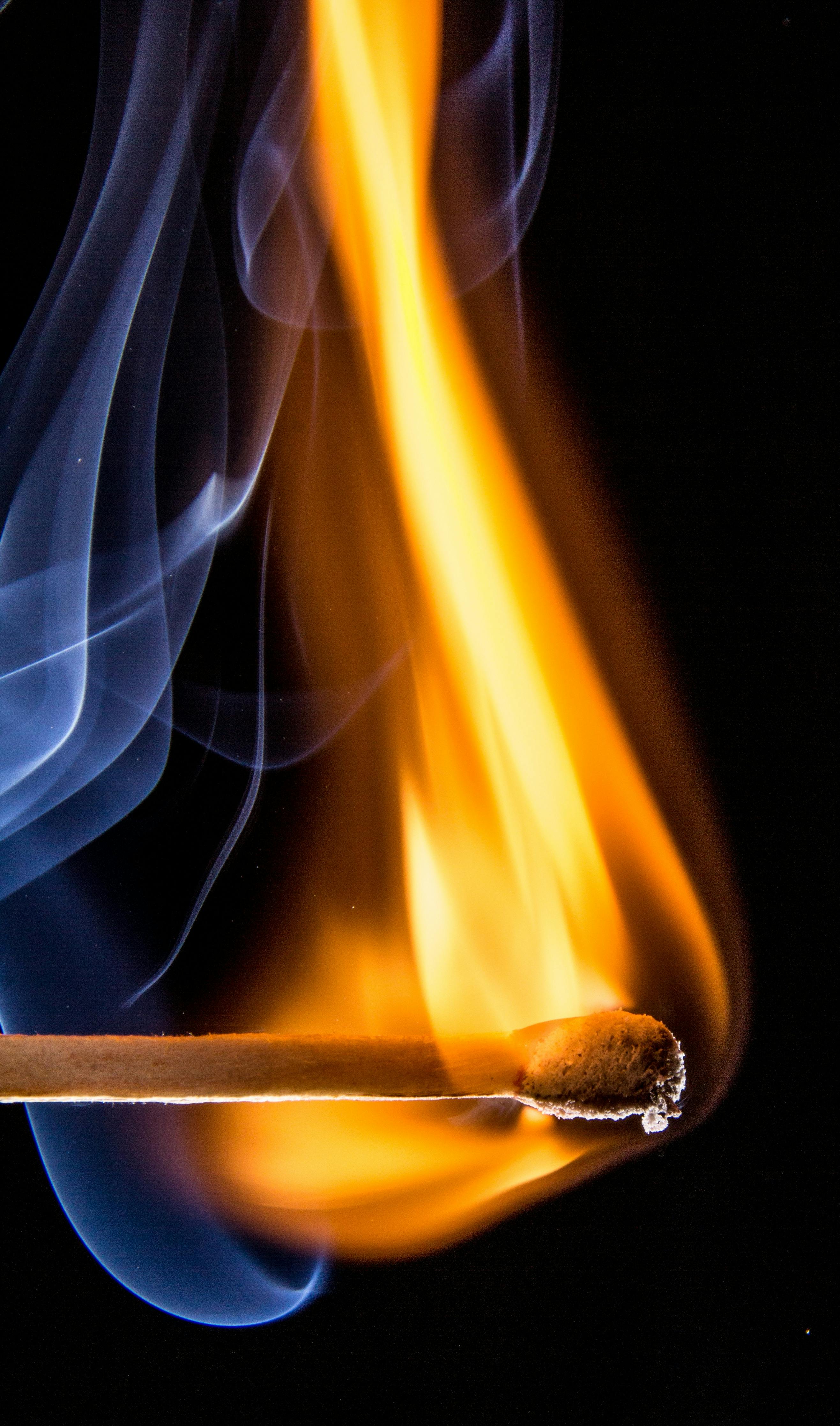
When a military strike hits that specific piece of rock and water, it is not merely an attack on a shore installation. It is a match struck near an open gasoline valve.
Consider the anatomy of a panic. Markets do not react to empty space; they react to uncertainty. When the strike on Larak Island hit the wire services, the core fear was not that every drop of oil in the region had suddenly vanished into the stratosphere. The oil was still in the ground. The tankers were still afloat. What shattered was the margin of safety.
Insurance underwriters in London immediately recalculate the cost of sending a steel leviathan through a war zone. Captains look at their satellite navigation systems and wonder if their crew will be the next casualty of a miscalculated escalation. Refineries thousands of miles away suddenly realize their forward-looking inventories are uncomfortably thin.
That is how a missile hitting an island most people cannot find on a map translates directly into a mother in Ohio paying an extra twenty dollars to fill her sedan, or a bakery in Berlin rationing its oven hours because the gas bill has spiked past the breaking point.
We have built a civilization that runs on invisible margins.
Imagine, for a moment, a city dweller turning on their kitchen tap. They do not think of the snow melting in distant mountain ranges, the concrete dam holding back millions of tons of pressure, the kilometers of subterranean iron pipes, or the water treatment plant humming quietly in the dark. They just want a glass of water.
Global energy works the exact same way. We want the power, the heat, the transport, the constant hum of electronic life, without ever having to look at the machinery behind the wall. We want the convenience without the cost.
Yet every time a geopolitical shockwave ripples outward from places like Larak Island, the wall transparency wears thin. The machinery grinds into public view, noisy and terrifying.
History is littered with these narrow straits and vulnerable islands. From the Suez Canal to the Strait of Malacca, the global economy is a tightrope walker crossing a canyon on a fraying thread. Economists love to talk about supply chain resilience, redundancy, and strategic reserves, using dry terminology to mask deep fragility. They speak of diversification as if it were a shield, neatly forgetting that when the primary artery is pinched, every peripheral limb goes cold.
The strike on Larak is a reminder of how thin our insulation really is.
Down on the waterfront, away from the trading terminals and the cable news studios, the local fishermen have already pulled their boats up onto the coarse sand. They look out past the headlands toward the southern horizon, where the smoke has begun to thin into a greasy, persistent haze that colors the late afternoon sky a sickly amber. They do not talk about futures contracts or benchmark crudes. They talk about the wind, and whether the patrols will get worse before tomorrow's tide.
The world keeps turning, but the air feels heavier now. Every engine running, every generator chugging, and every car idling at a red light carries a slightly heavier weight than it did yesterday morning.
The fire on Larak Island may eventually burn itself out, and the black smoke will dissolve into the vast, indifferent blue of the Gulf sky. But the tremor has already passed through the deep, hidden foundations of our daily lives, leaving behind the quiet, lingering echo of how easily the lights can flicker when someone decides to strike a match in the dark.