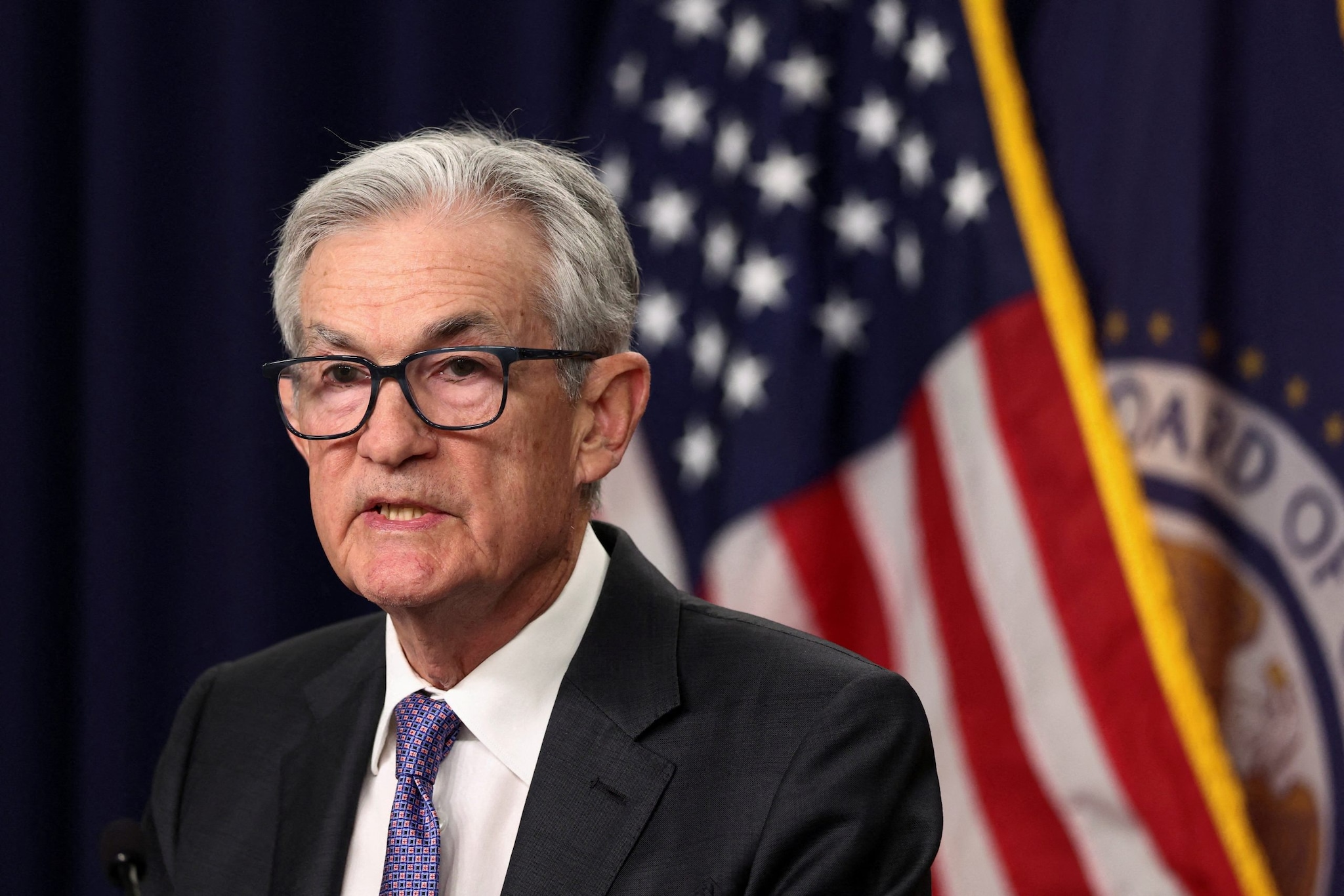
The air inside the Eccles Building in Washington, D.C., doesn’t move like the air outside. It is filtered, heavy, and carries the faint, metallic scent of high-stakes bureaucracy. Jerome Powell sits at the head of a massive mahogany table, a man who knows that a single syllable uttered out of turn can erase a trillion dollars of global wealth before he even finishes his sentence. He isn't just a central banker. He is the mechanic of a machine so vast and complex that no one truly understands all its moving parts, and right now, that machine is vibrating with a terrifying, low-frequency hum.
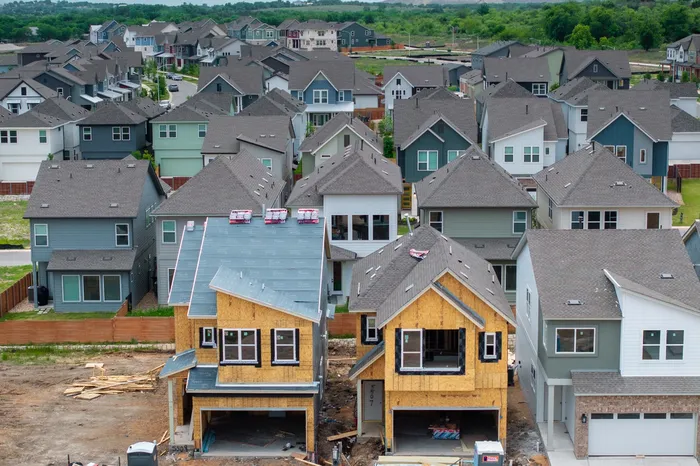
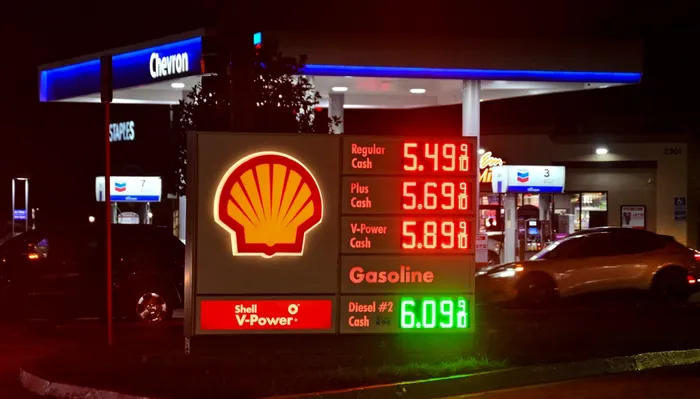
Outside these walls, a single mother in Ohio stares at a carton of eggs that costs twice what it did three years ago. A young couple in Phoenix realizes their dream of a backyard and a tire swing is moving further into the horizon because mortgage rates have turned their modest budget into a mathematical impossibility. These are the invisible stakes. Powell doesn't see their faces, but he sees their ghosts in the data points. Every "basis point" discussed in these hallowed halls is a heartbeat in the real world.
The Federal Reserve is widely expected to hold interest rates steady. To the casual observer, "steady" sounds like a reprieve. It sounds like a pause in the storm. But for Powell, standing still is the most exhausting exercise of all. It is the act of holding a door shut against a gale-force wind, knowing that if he lets go too soon, inflation rushes back in to burn the house down. If he holds it too long, he crushes the people standing behind him.
The Shadow of the Swan Song
Rumors of a "swan song" have begun to circulate through the marble corridors. Powell’s term is winding down, and the legacy he leaves behind is currently suspended in a delicate equilibrium. There is a specific kind of vanity that haunts every Fed Chair. They all want to be Paul Volcker, the legend who broke the back of 1970s inflation with a sledgehammer, even if it meant becoming the most hated man in America for a season. None of them want to be Arthur Burns, the man who let off the pressure too early and watched the economy spiral into a decade of chaos.
This isn't just about economics. It’s about the psychology of a man who knows his time at the wheel is limited. Imagine driving a bus down a mountain. Your brakes are smoking. You’re nearing the end of your shift, and the next driver is already standing by the door. Do you slam on the anchors now to ensure you don’t crash on your watch, even if it gives the passengers whiplash? Or do you try to coast into the station, praying the momentum doesn't carry you off the cliff the moment you hand over the keys?
The Fed’s "dot plot"—that cryptic chart showing where officials think rates are headed—is the roadmap for this descent. But maps are useless when the terrain keeps shifting. One month, the labor market is a fortress of strength. The next, cracks appear in the foundation of retail spending. Powell has to navigate by the stars, but the clouds of geopolitical tension and shifting consumer debt are making the sky dark.
The Hypothetical Case of Marcus and Sarah
To understand why "holding steady" feels like a tightening vice, consider a hypothetical small business owner named Marcus. Marcus runs a mid-sized machining shop in the Midwest. He needs a $500,000 loan to upgrade his equipment and stay competitive with overseas manufacturers. Two years ago, that loan was affordable. Today, the interest payments alone would eat his entire profit margin.
Marcus is waiting. He is holding his breath. He listens to Powell’s press conferences like they are gospel. If the Fed signals that rates will stay "higher for longer," Marcus will have to lay off three people. If they hint at a cut, he might hire two more.
Then there is Sarah, a retiree living on a fixed income. For the first time in fifteen years, her savings account is actually generating a return. For her, high rates are a godsend. They mean she can afford her prescriptions and an occasional dinner out without dipping into her principal.
Powell sits between Marcus and Sarah. To help Marcus, he must hurt Sarah. To protect Sarah’s purchasing power, he must make Marcus’s life harder. It is a brutal, binary choice masked in the language of "macroeconomic stability." There is no version of this story where everyone wins.
The Gravity of the Two Percent Target
The Fed is obsessed with the number two. Two percent inflation is the North Star. Why? Because it’s the psychological sweet spot where people stop thinking about money. When inflation is at two percent, you don’t check the price of milk every week. You don’t ask for a raise just to keep your head above water. You focus on your life, your job, and your family.
We are currently hovering just above that mark, like a plane trying to land on a fog-covered runway. The "last mile" of inflation is notoriously the hardest to cover. It’s the stubborn residue that clings to the bottom of the pan. Rent is still high. Services are still expensive. The temptation to declare victory and walk away is immense, especially with a legacy on the line.
But the ghost of the 1970s whispers a warning: Don’t stop until the fire is out.
If the Fed cuts rates now, they risk a "second wave" of inflation. If that happens, the credibility of the Federal Reserve—the only thing that actually gives those green pieces of paper value—will evaporate. Powell knows that his swan song could easily turn into a requiem if he miscalculates the timing by even a few months.
The Silence Before the Shift
The upcoming meeting isn't just about a number. It’s about the silence between the words in the official statement. Markets will hunt for any change in adjectives. Is the economy "solid" or merely "expanding"? Is inflation "elevated" or "unacceptable"?
This is the theater of the central bank. It is a performance of confidence meant to mask the reality that they are reacting to data that is already weeks old. It’s like trying to steer a ship by looking at the wake behind it.
Consider the sheer weight of the debt the U.S. government is currently carrying. Every time Powell keeps rates high, the cost of servicing that national debt skyrockets. He isn't just squeezing Marcus and his machining shop; he is squeezing the Treasury. He is the most powerful man in the world, yet he is a prisoner of his own mandate. He must remain independent of politics, even as the political world screams for relief.
The "possible swan song" adds a layer of human poignancy to the dry spreadsheets. A man at the end of his career is thinking about how history books will phrase his final chapter. Will he be remembered as the steady hand that guided the world through a post-pandemic nightmare? Or the man who hesitated and let the monster back in?
The mahogany table is silent now. The votes are being cast. Outside, the world continues its frantic, expensive dance. The single mother in Ohio is still looking at the eggs. Marcus is still looking at his payroll. Sarah is still looking at her bank statement.
Jerome Powell adjusts his glasses and looks at the clock. The decision to do nothing is the loudest thing he will ever do. He is betting his reputation, the nation's wealth, and the quiet lives of millions on the hope that "steady" is enough.
The machine hums on.