The Defense Posture Masking Strategic Paralysis
Western security analysts love a clean narrative. When Kuala Lumpur announces new radar deployments, drone purchases, and naval facilities off East Malaysia, mainstream outlets immediately frame it as a bold defense upgrade meant to ward off regional encroachment.
They are dead wrong.
What media commentators misinterpret as a muscular posture in the South China Sea is actually a frantic political distraction. By fixating on the diplomatic spat with Manila over Sabah and claiming to bolster defense infrastructure, Malaysia is playing a dangerous game. It is spending precious capital on symbolic military hardware while ignoring the economic reality anchored to its maritime shelf.
I have spent years evaluating naval logistics and force projections across Southeast Asia. I have watched defense ministries pour billions into shiny hardware acquisitions that look impressive in parliamentary budget speeches but collapse under the weight of operational friction. Malaysia's current moves in East Malaysia are textbook strategic misdirection.
The Sabah Fallacy and Maritime Illusions
Mainstream commentary treats the renewed friction between Manila and Kuala Lumpur over the extended continental shelf as a genuine geopolitical Flashpoint. It is not. It is an artificial crisis designed to feed domestic political appetites.
The Philippines’ UN submission regarding its undersea continental shelf off Palawan naturally raised eyebrows in Putrajaya. But framing Malaysia’s defensive posture in Sabah as a direct counterweight to Philippine ambition overlooks three critical facts:
- The Legal Precedent is Settled: International law and decades of administrative reality mean Sabah's status within Malaysia is practically unassailable. Burning diplomatic capital on Manila’s political posturing is a waste of bandwidth.
- The Real Pressure Point is Energy: Petronas extracts the lifeblood of Malaysia’s national budget from offshore fields near Luconia Shoals. The real threat to those platforms does not come from Manila. It comes from the continuous, daily presence of foreign coast guard vessels hovering near Kasawari.
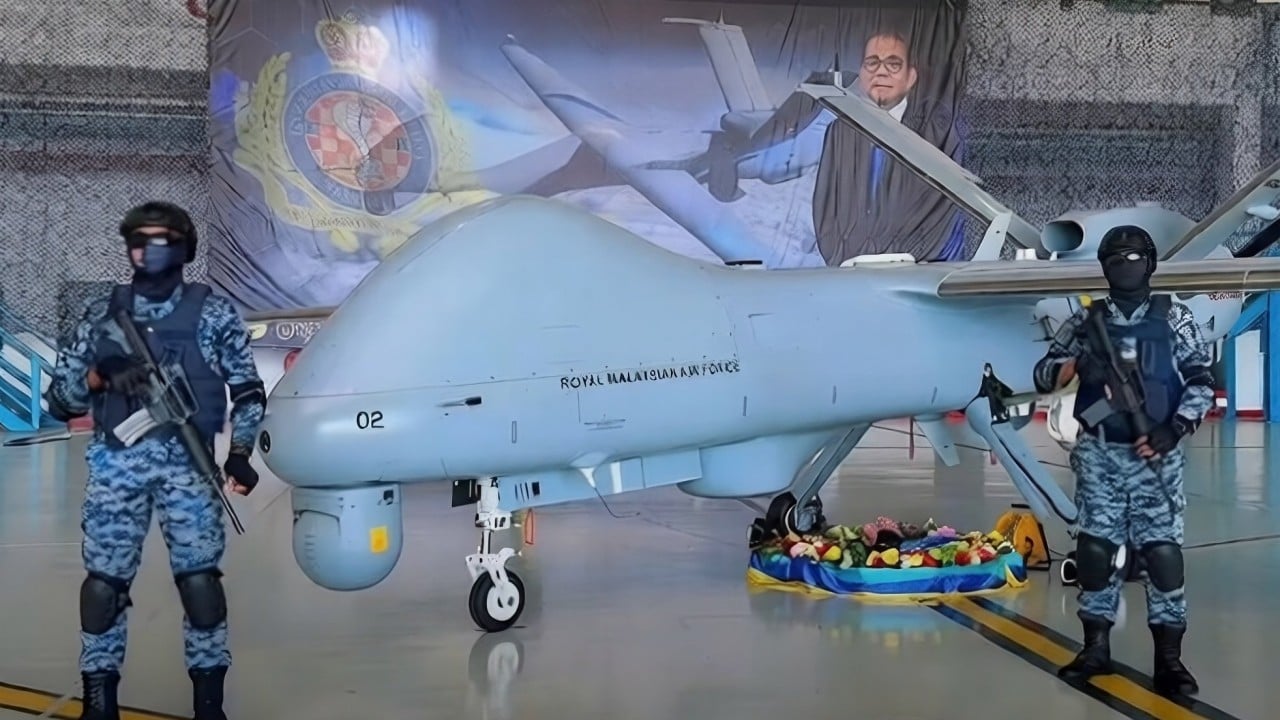
- Hardware Without Depth is Pointless: Buying a handful of long-range radars from Europe and deploying a trio of endurance drones creates the illusion of control. Radar arrays can see incoming vessels, but visibility without rapid operational enforcement is nothing more than high-definition target acquisition for an adversary.
Imagine a scenario where a foreign patrol ship anchors directly over a active hydrocarbon exploration site off Sarawak. A long-range drone streams pristine 4K video of the vessel directly to command HQ in Teluk Sepanggar. What happens next? If your fleet lacks the hull capacity, supply endurance, and political backing to physically push that intruder out of your exclusive economic zone, that multi-million-dollar surveillance system is just an expensive streaming service.
The Friction Breakdown: Capability vs. Reality
Let us break down the actual military assets involved and contrast the conventional wisdom against hard operational reality.
| Asset Class | Declared Purpose | Operational Reality |
|---|---|---|
| Long-Range Radars | Detect airspace and maritime domain incursions | Provides situational awareness, but offers zero physical deterrence on its own. |
| Medium-Altitude Drones | Persistent maritime surveillance | High vulnerability in contested airspace; useless for physical interdiction. |
| Littoral Mission Ships | Patrol Exclusive Economic Zones (EEZ) | Lightly armed, under-hulled, and severely outnumbered by heavy foreign coast guard cutters. |
| Forward Naval Bases | Enable rapid access to open waters | Useful for logistics, but concentrates high-value assets within reach of modern strike missiles. |
Mainstream defense reporting claims these acquisitions signal a new era of deterrence. The reality is that Malaysia is building a lightweight surveillance net around a heavy-weight fight.
When foreign coast guard ships—many displaced at over 4,000 tons with automatic cannon armaments—maintain permanent station near Luconia Shoals, sending a 1,000-ton patrol vessel to "show the flag" is not deterrence. It is an exercise in vulnerability.
The Quiet Appeasement Strategy
Why does Putrajaya maintain this public stance while keeping its operational response so soft? Because Malaysia is locked in an economic dependency loop.
While the Philippines chose public confrontation, international arbitration, and explicit alliance-building, Malaysia chose quiet diplomacy and economic integration. Petronas continues to drill, quietly ignoring harassment, while politicians point fingers across the Sulu Sea at Manila to demonstrate nationalistic resolve.
It is a brilliant short-term tactic that makes for terrible long-term strategy.
- It Divides ASEAN Solidarity: By escalating legal counter-filings and trading public jabs with Manila over continental shelf boundaries, Malaysia fractured the unified diplomatic front that Southeast Asian nations desperately need.
- It Creates a False Sense of Security: Telling citizens that East Malaysia’s defenses are being "upgraded" leads the public to believe the military can defend offshore energy fields during an actual blockade.
- It Invites Incremental Encroachment: When an adversary realizes your upgrades consist entirely of passive intelligence tools rather than active surface combatants, they simply push closer.
The downside to calling out this strategy is obvious. Pointing out the weakness in Malaysia's posture risks pleasing nobody. It upsets diplomats who prefer quiet maneuvering, and it infuriates defense officials who want credit for procuring new hardware. But ignoring the mismatch between rhetoric and reality is far more dangerous.
Stop Buying Radars and Fix the Core Problem
If regional leaders actually want to secure their maritime sovereignty rather than manage public perception, they must abandon the current playbook entirely.
Deterrence in shallow, contested waters is not achieved by buying three drones and building a dock near Kuching. It requires structural changes that regional capitals refuse to execute:
- Scrap the Fluff, Fund Hull Weight: Stop buying light, under-gunned mission vessels that cannot endure physical pushing matches at sea. Build heavy, thick-hulled ocean-going patrol vessels capable of standing ground against massive foreign coast guard ships without sinking.
- Establish Joint Maritime Patrols with Regional Neighbors: The diplomatic feud over Sabah is a 20th-century distraction. Malaysia, the Philippines, and Vietnam share identical economic interests in protecting their legal exclusive economic zones. Settling seabed claims bilaterally behind closed doors and establishing joint patrol corridors would instantly invalidate third-party divide-and-conquer tactics.
- Integrate Maritime Law Enforcement with Energy Security: Civilian coast guards, not navies, fight modern grey-zone battles. Putrajaya must transfer primary EEZ escort duties to a heavily funded, fully empowered coast guard agency while keeping the navy as a silent, over-the-horizon deterrent.
The current strategy of flashing new radar contracts in parliament while quarreling with neighboring capitals over historic claims is a blueprint for strategic failure. Until regional leadership trades political theater for heavy maritime hulls and genuine regional coordination, every "upgrade" announced in East Malaysia is nothing more than an expensive placebo.