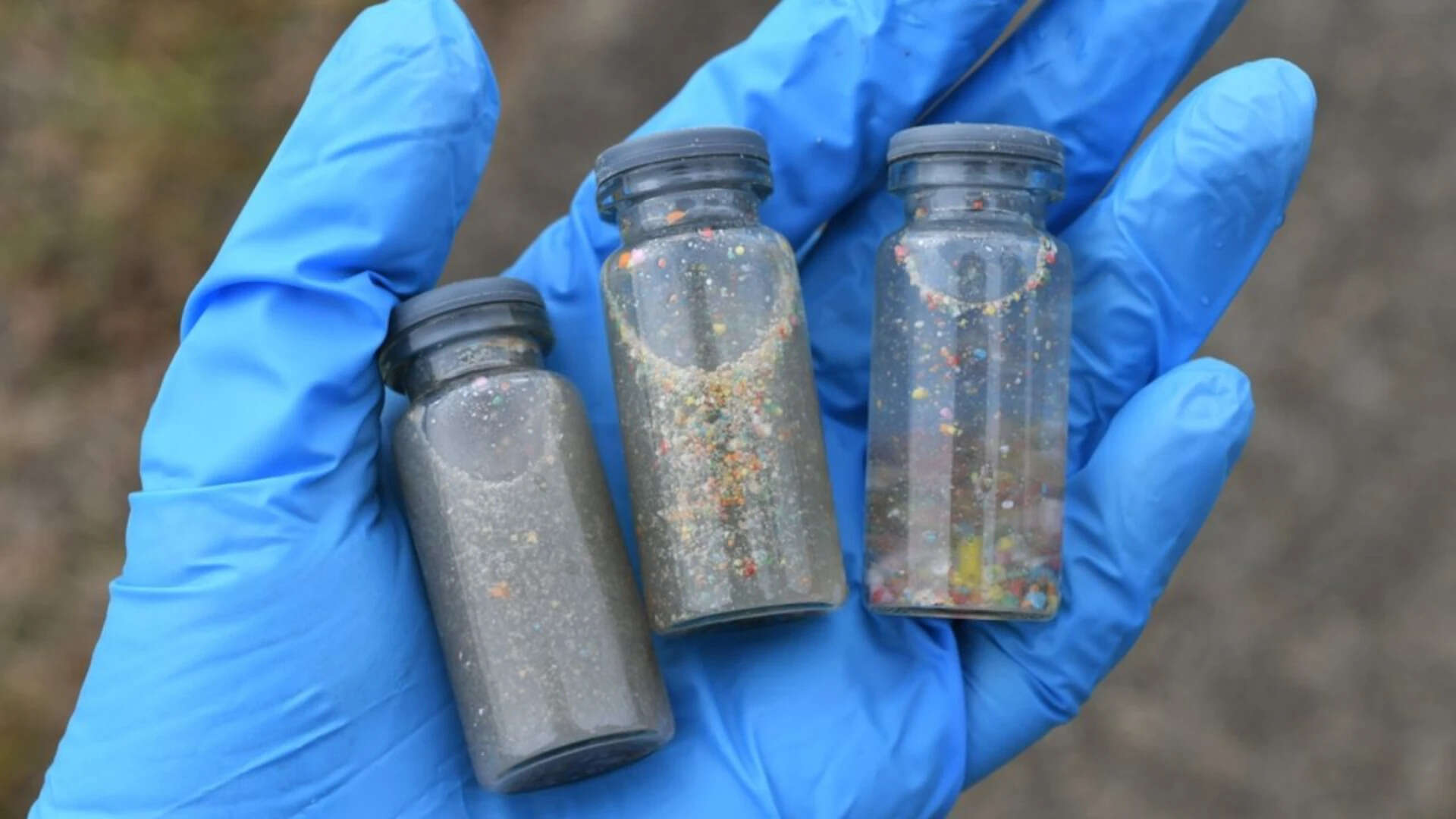
Microplastics sit inside every glass of water on your desk right now. You can't see them. You can't taste them. Yet they're everywhere, floating through city water lines, ocean trenches, and tap water filters.
Filtering these tiny plastic bits has always been a nightmare. Traditional treatment plants use sand filters or fine membranes that clog instantly or leave behind the smallest particles. But researchers at RMIT University in Melbourne built a magnetic nanomaterial powder that pulls over 95 percent of microplastics straight out of polluted water in under an hour. For a different view, see: this related article.
It works fast. It costs very little. Best of all, you can reuse the material again and again with a simple magnet.
How Magnetic Water Cleaning Works
Removing microscopic trash from liquid is surprisingly hard. Microplastics measure less than five millimeters across, and many pieces are smaller than a single human cell. Standard water treatment facilities just weren't built to capture stuff that small. Further reporting on this trend has been provided by TechCrunch.
The RMIT team solved this by creating a special powder packed with magnetic iron oxide nanoparticles. When mixed into contaminated water, these nanoparticles lock onto plastic fragments through basic physical attraction. The nanomaterials trap both dissolved pollutants and solid plastic bits.
Once the powder binds to the plastics, you don't need a filter at all. You simply drop a magnet into the container. The magnetic force pulls the iron nanoparticles—and every scrap of plastic attached to them—right out of the water.
The clean water stays behind. The magnetic sludge gets collected, cleaned, and prepped for another round.
The Problem With Traditional Plastic Filters
For years, treatment facilities relied on membrane filtration. These systems push water through tiny pores. They work okay for big debris, but microplastics break them down fast.
- Fine pores clog quickly, requiring expensive chemical washes to clear.
- High water pressure burns massive amounts of electricity during pumping.
- Tiny microfibers still slip right through standard physical barriers.
- Replacing ruined filter membranes costs municipal plants millions every year.
Magnetic separation avoids every single one of those headaches. No high pressure. No clogged membranes. Just raw physical magnetism doing the heavy lifting.
Reusability Makes The Difference
Plenty of lab experiments pull plastic out of water. Almost none of them make financial sense at scale because the materials break down after one use.
This new magnetic powder is different.
In testing, scientists stripped the collected microplastics off the powder and reused the magnetic material six times with virtually no drop in efficiency. It kept pulling 95 percent to 100 percent of microplastics out of fresh batches of water. That reusability changes the math for industrial applications.
If a factory has to buy brand-new chemical absorbers every single day, they'll never adopt the system. If they buy a batch of magnetic powder and run it continuously for weeks, the operational cost plummets.
Tackling Microplastics At The Source
We can't just throw magnetic powder into the Pacific Ocean. That isn't how environmental cleanup works. The open ocean is too vast, and the water currents move too fast.
The real power of this tech lies at industrial output points.
Wastewater plants and textile factories pump billions of microfibers directly into waterways every single morning. Synthetic clothing emits thousands of plastic threads every single time you run a load of laundry. Catching those fibers before they hit rivers is the only realistic way to stop ocean pollution.
Installing magnetic catchment units at commercial laundromats, textile mills, and municipal treatment facilities creates an immediate barrier. You trap the pollution right at the pipe before it ever touches a wild ecosystem.
Real Challenges Standing In The Way
Lab results look great on paper, but real water is messy.
A clean beaker in a university laboratory bears little resemblance to the murky sludge inside a city sewer line. Wastewater contains heavy oils, bacteria, plant matter, and dissolved metals. All of those extra substances can coat magnetic nanoparticles and stop them from grabbing plastic.
Scaling up production poses another hurdle. Making a few grams of nanomaterials in a lab takes precise chemistry. Synthesizing tons of the powder for municipal treatment plants requires new manufacturing lines that don't exist yet. Engineers have to prove that mass-producing these iron oxide particles won't create environmental hazards of its own.
There's also the question of disposing of the trapped plastics. Pulling microplastics out of water is only step one. Once you separate the plastic from the magnetic powder, you still have a pile of concentrated plastic sludge that needs safe incineration or chemical recycling.
What You Should Do Right Now
While industrial scaling takes time, you don't have to sit around waiting for municipal facilities to upgrade their gear. You can take concrete steps today to minimize your own intake and output of microplastics.
- Install a microfiber catcher on your washing machine. Synthetic clothes release thousands of plastic strands per wash. External lint traps catch these before they drain into public water lines.
- Switch to carbon block home drinking filters. While they don't use magnetism, high-quality solid carbon block filters pull out a significant portion of microplastics down to 0.5 microns.
- Ditch single-use plastic water bottles. Bottled water contains significantly higher concentrations of microplastics than typical tap water due to degradation from the bottle itself.
- Choose natural fiber clothing. Buying cotton, wool, or linen prevents synthetic microfibers from entering the water cycle during laundry days.
This magnetic nanomaterial tech offers a genuine, practical path toward cleaner water systems. The science works, the costs look reasonable, and the reusability factor solves the biggest hurdle in modern environmental engineering. Watch for commercial pilots over the next few years as industrial facilities start integrating magnetic separation into their daily filtration setups.


