Formula 1 is expanding its footprint faster than ever, and Madrid is the latest historic European city joining the circus. For decades, the sport relied on heritage circuits that barely changed while catering to old-school purists. Now, street tracks and modern hybrid layouts are taking over. Madrid's arrival isn't just about adding another weekend of racing to an already bloated 24-race calendar. It is a massive statement about where sports entertainment is heading and how cities compete for global attention.
Let's look at what is actually happening behind the scenes. Madrid secured a long-term deal to host the Spanish Grand Prix starting in 2026, shifting the race away from Barcelona's Circuit de Barcelona-Catalunya at Montmeló. This move caught many motorsport insiders off guard. Barcelona has hosted the race since 1991. Moving the Spanish Grand Prix to the capital city represents a fundamental shift in strategy. Liberty Media wants races embedded directly inside major metropolitan areas where tourism infrastructure, hotel capacity, and local nightlife can maximize the economic impact of a Grand Prix weekend. Building on this theme, you can find more in: Why Myles Garrett Changing the Game in Los Angeles Matters More Than You Think.
The Layout and the Location
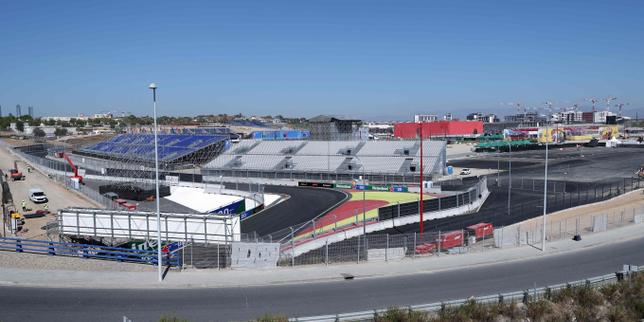
The new Madrid circuit is planned around the IFEMA exhibition center and the Valdebebas area, located close to the Adolfo Suárez Madrid-Barajas Airport. We are talking about a hybrid track design that blends permanent racing infrastructure with public streets. Approximately twenty corners are expected across a 5.4-kilometer layout designed to promote overtaking.
Building a street circuit from scratch sounds easy on paper, but engineering a track that works for modern ground-effect F1 cars while minimizing disruption to a bustling capital city is an enormous logistical challenge. Promoters claim the circuit can handle over 100,000 spectators daily. That is a massive crowd. Getting that many people in and out of an exhibition center on the edge of town without completely paralyzing local transit will test the city's planners to their absolute limits. Experts at FOX Sports have provided expertise on this matter.
The Economics of Modern Grand Prix Hosting
Hosting Formula 1 doesn't come cheap. Local governments and private investors are pouring tens of millions of euros into track construction, paddock facilities, and fan zones. Why take that financial risk? Because the return on investment for a global tourism hub like Madrid is massive.
Hotels sell out months in advance. Restaurants run at full capacity. International brands pump money into local activations. When Miami, Las Vegas, or Jeddah host a race, they aren't just selling tickets to the grandstands. They are broadcasting a multi-day commercial for their city to hundreds of millions of television viewers worldwide. Madrid wants that exact spotlight.
Critics often point out that public funds shouldn't subsidize elite motorsport entertainment. That is a fair debate. However, the financial model for Madrid relies heavily on private backing and expected tourist spending rather than a direct drain on municipal taxpayers. Time will tell if those financial projections hold up against the ballooning costs of staging a modern F1 event.
What This Means for Barcelona
The elephant in the room is Barcelona. Losing the Spanish Grand Prix is a devastating blow for Catalonia's tourism economy. Circuit de Barcelona-Catalunya has been a staple of the F1 calendar, serving as the traditional winter testing venue for years before teams shifted their pre-season running to Bahrain.
While Barcelona officials are fighting to keep some presence on the motorsport map—perhaps through MotoGP or a restructured agreement—losing Formula 1 hurts prestige. It highlights a brutal reality of the current F1 landscape. If a circuit cannot match the financial guarantees or the entertainment spectacle demanded by commercial rights holders, someone else will gladly write a bigger check. Madrid stepped up with the capital, the political backing, and the venue space, and Barcelona got pushed aside.
Navigating the Logistical Nightmare
If you plan to attend the Madrid Grand Prix, don't expect a relaxing weekend stroll. Street races in major European capitals create localized chaos. Ticket prices will be astronomical, matching the current pricing model seen in Miami and Las Vegas.
Book your accommodation immediately when tickets drop. Rely entirely on the metro and local commuter trains rather than trying to drive or catch a taxi near the venue. The city's transport network is world-class, but it will face unprecedented strain during race week.
Madrid is taking a massive gamble on the world stage. If the race delivers wheel-to-wheel action and smooth logistics, it will cement the city as a premier destination for global sports entertainment. If it turns into a traffic-clogged procession with poor overtaking, it will join the graveyard of forgettable modern circuits. Pack your earplugs, watch the calendar, and get ready for a completely new chapter of Spanish motorsport history.