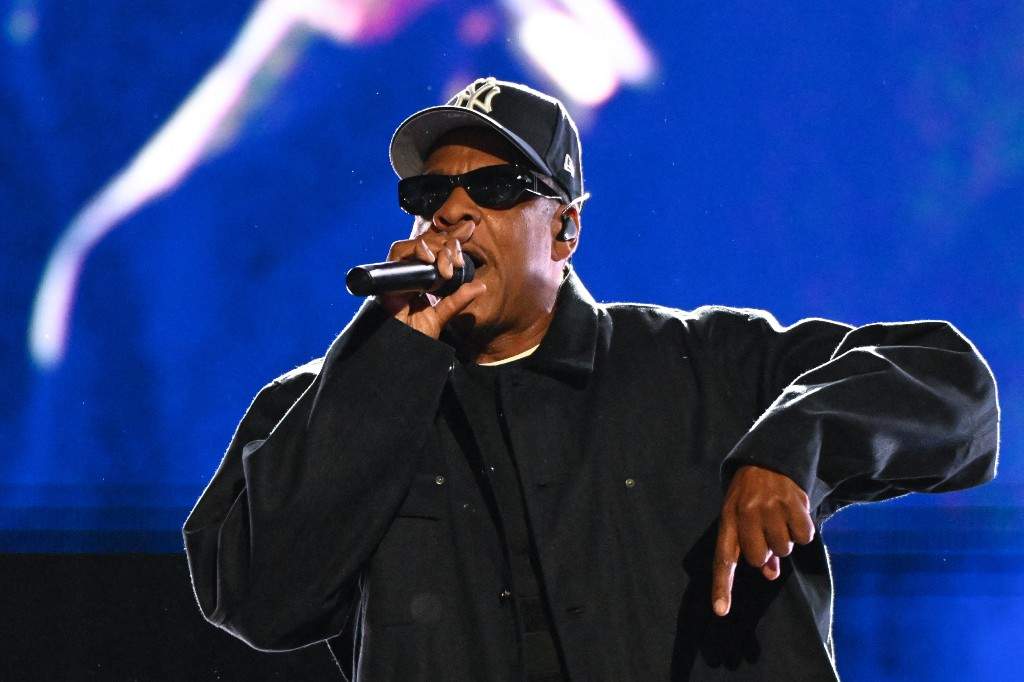
Mainstream pop stars usually avoid radioactive politics like the plague. They stick to safe charity drives, vague calls for unity, and brand-friendly platitudes that won't spook corporate sponsors. Then came Macklemore’s June 2024 performance in Dublin.
Walking onto the stage at St. Anne’s Park, the Seattle rapper didn't just play his radio hits. He turned a massive European tour stop into his first live performance of "Hind's Hall," a blistering protest track named after the student-occupied Hamilton Hall at Columbia University. The crowd erupted. Irish flags mixed with Palestinian keffiyehs across the field, turning a summer festival gig into a loud political rally.
This didn't happen in a vacuum. The Dublin show came right on the heels of a messy, public fallout involving New England Patriots owner Robert Kraft, pop megastar Ed Sheeran, and the corporate machinery that keeps the modern music industry running. If you want to understand how an independent rapper ended up clashing with billionaires and major label PR teams over Gaza, you have to look at the timeline that led straight to Ireland.
The Spark That Lit the Fuse
Everything started with "Hind's Hall." Released independently in May 2024 without major label backing, the track took direct aim at U.S. foreign policy, campus police crackdowns, and the silence of the mainstream music industry.
Macklemore didn't use metaphors. He named names, criticized President Joe Biden, and pledged every single cent of the song's streaming proceeds to UNRWA, the United Nations Relief and Works Agency for Palestine Refugees. Within days, the track pulled millions of views on social media and climbed international charts despite getting virtually zero traditional radio airplay.
Most artists would've stopped there, posted an infographic on Instagram, and moved on to promoting their next single. Macklemore doubled down. He decided to bring the track into his live set, starting with a city known globally for its vocal solidarity with the Palestinian cause.
What Actually Happened With Robert Kraft and Ed Sheeran
Before Macklemore even boarded a flight to Europe, his vocal stance had already triggered serious pushback back home. You can't call out powerful institutions in American entertainment without someone pushing back, and the friction showed up in two very different ways.
First came the clash with Robert Kraft. The billionaire Patriots owner and founder of the Foundation to Combat Antisemitism publicly criticized the rhetoric surrounding campus protests and music industry figures speaking out on the conflict. Kraft has spent tens of millions of dollars on high-profile ad campaigns—including Super Bowl spots—aimed at combating antisemitism in America. While Macklemore explicitly stated in his lyrics that anti-Zionism is not antisemitism, critics aligned with Kraft's organizations argued that tracks like "Hind's Hall" crossed a dangerous line and fueled hostility toward Jewish communities.
Then there was the awkward intersection with Ed Sheeran.
Let's be clear about what happened here, because social media rumors twisted the facts into something they weren't. Ed Sheeran didn't get into a screaming match with Macklemore, nor did he issue a diss track. Rather, the fallout was about optics, industry pressure, and contrasting approaches to fame.
Macklemore and Sheeran have a documented history—they collaborated on the 2015 track "Growing Up" and shared stages years ago. When Macklemore began calling out fellow chart-topping artists for staying silent on Gaza to protect their streaming numbers and brand deals, fans immediately looked at mega-stars like Sheeran, Drake, and Taylor Swift.
Around the same time, Sheeran’s camp faced intense online scrutiny over silence on global conflicts while continuing massive stadium tours and corporate partnerships. In the music press, the contrast became impossible to ignore. One artist was playing it strictly apolitical to keep a billion-dollar touring machine humming; the other was torching his own corporate safety net in real time.
Why Dublin Was the Obvious Choice for the Live Debut
If you've ever spent time around the Irish music scene, you know Dublin wasn't a random tour stop. It was a calculated move.
Ireland has a long, complicated history with British colonialism, partition, and political resistance. Because of that history, public sympathy for Palestine runs deep across Irish society, from grassroots activists in Belfast and Dublin to the Irish government itself, which officially recognized the State of Palestine in May 2024—just weeks before Macklemore took the stage at St. Anne's Park.
When Macklemore performed "Hind's Hall" live in Dublin for the first time, he wasn't preaching to a skeptical room. He was standing in front of thousands of fans who already knew every word.
During the set, Macklemore addressed the crowd directly:
- He praised Ireland for standing on the "right side of history" regarding its recognition of Palestine.
- He criticized the American political establishment for funding military operations abroad while ignoring domestic crises.
- He encouraged other artists to stop worrying about losing brand sponsorships and start using their microphones for something real.
The footage went viral within hours. Unlike staged award-show speeches that feel written by a publicist, the Dublin performance looked raw, loud, and genuinely chaotic in the best way possible.
The Financial Reality of Going Independent
Here is what most casual music fans miss about this entire story. Macklemore could only pull this off because he doesn't answer to a major record label.
Think about how the modern music business actually works. Universal Music Group, Sony, and Warner control the vast majority of global distribution, playlisting, and radio promotion. If an artist signed to a major label drops a song attacking the U.S. government and calling out corporate sponsors, that song gets buried. Label executives get nervous calls from advertisers. Festival promoters start worrying about insurance and security costs.
Macklemore walked away from the major label system years ago, operating through his own imprint, Bendo LLC. Because he owns his masters and funds his own tours, no executive in Los Angeles or New York could kill the release of "Hind's Hall" or threaten to shelve his next album.
That independence comes with a heavy price tag, though. You lose access to:
- Guaranteed Spotify and Apple Music editorial playlists that drive millions of passive streams.
- Corporate festival headlining slots backed by telecommunications and beverage giants.
- Mainstream television appearances on late-night talk shows and award broadcasts.
In late 2024, Macklemore actually felt the sting of those consequences when he was dropped from the lineup of a major festival in Dubai following comments he made at a subsequent benefit show in Seattle. Going rogue in the music industry isn't a PR stunt—it costs real money.
What Most People Get Wrong About Modern Protest Music
A lot of critics dismissed Macklemore’s Dublin performance as performative activism—just another wealthy celebrity chasing clout from a safe distance. Honestly, that take completely misses how risk works in entertainment today.
Chasing clout means hopping on an easy, universally approved trend. Nobody gets canceled or loses corporate sponsors for saying "be kind" or posting a black square when every Fortune 500 company is doing the exact same thing.
Taking a hard, uncompromising stance on Gaza in 2024 did the exact opposite. It alienated mainstream radio programmers, triggered backlash from influential figures like Robert Kraft, and created permanent friction with risk-averse peers in the pop world. Whether you agree with every lyric in "Hind's Hall" or think Macklemore oversimplifies a brutal geopolitical conflict, calling it a "safe PR move" doesn't match reality.
At the same time, we shouldn't pretend music alone stops wars. A rap song in Dublin doesn't change foreign policy overnight. What it does do is break the illusion of consensus inside pop culture. When millions of people watch a stadium crowd chant along to lyrics that mainstream media outlets won't touch, it forces uncomfortable conversations into spaces that usually stay sanitized.
How to Follow Independent Artists Without the Algorithmic Filter
If you're tired of streaming platforms deciding which voices get amplified and which ones get quietly throttled, you don't have to rely on corporate playlists to find music with actual substance.
Start by checking where your streaming money actually goes. Platforms like Bandcamp allow independent artists to release music directly to fans without algorithmic suppression, and on Bandcamp Fridays, 100% of the revenue goes straight to the artist or their chosen charity.
If you want to verify whether a benefit track is actually donating its proceeds, look for artists who publish transparent receipts or partner directly with vetted humanitarian organizations like UNRWA, Doctors Without Borders (MSF), or the Palestine Children's Relief Fund (PCRF). Follow artists' direct mailing lists and independent Substack newsletters rather than relying solely on Instagram or TikTok feeds, where political keywords routinely get downranked. Support live touring acts directly at the merch table, where independent musicians make the bulk of the money that keeps them free from major label control.