Dust settles differently when you have watched it fall from a sky that should have been blue.
Twenty-five years ago, the calendar froze on a Tuesday. For millions, time split cleanly into two distinct epochs: the morning before the towers fell, and the endless afternoon that followed. We remember the panic, the sirens, the sudden silence of grounded airplanes, and the heavy, metallic taste of an altered world. We remember standing shoulder-to-shoulder, convinced that our collective breath, held so tightly in our chests, would somehow protect us.
Then came the slow, insidious erosion of memory.
Time does not heal all wounds; it merely dulls the urgency of scars. Generations born after that autumn morning now walk through airport terminals without looking twice at the armed patrols. They swipe their phones on crowded subways, entirely unbothered by the phantom weight of unattended backpacks. This is normal. This is what peace looks like. Children should grow up believing the world is safe.
Yet, safety is not a permanent fixture of human history. It is a fragile garden that requires constant weeding, sharp eyes, and calloused hands.
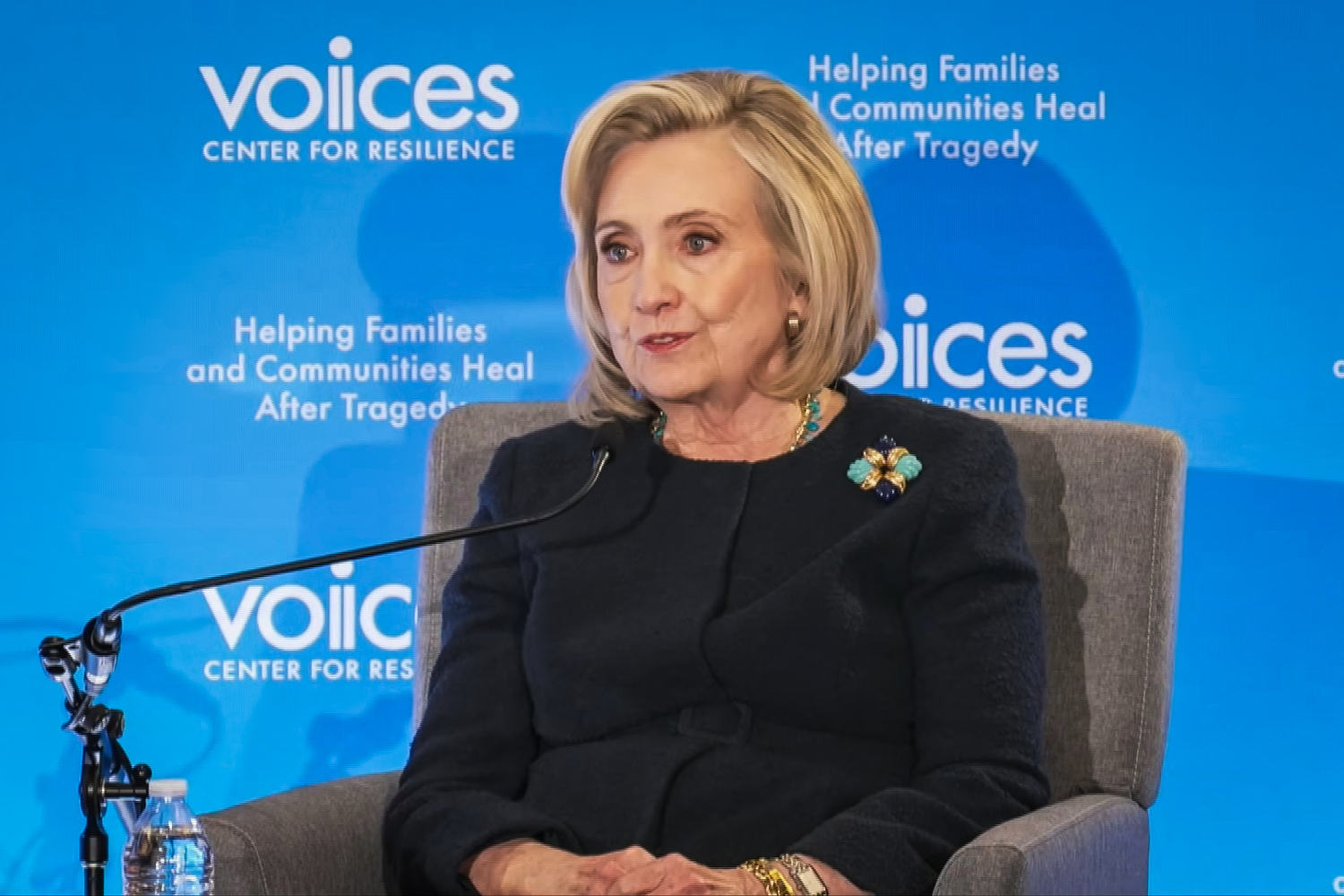
Recently, warning bells have begun to ring from quarters that rarely raise alarms without cause. Hillary Clinton, speaking on the shifting architecture of global security a quarter-century after the attacks, delivered a stark reminder that the United States has allowed its guard to slip. Not because we became careless out of malice, but because we grew exhausted. We wanted the story to be over. We wanted the credits to roll on an era of perpetual dread.
History does not care about our need for closure.
Consider the modern threat environment. It is no longer defined by massive, state-sponsored conspiracies requiring years of wiretaps and coordinated flight schools. The machinery of terror has decentralized. It lives in encrypted chat rooms, spreads via algorithms designed for maximum outrage, and recruits lonely minds sitting in suburban bedrooms thousands of miles from any traditional battlefield. A teenager with a laptop and a grievance can now cause as much disruption as a cell of ideologues once orchestrated with box cutters and burner phones.
We traded the visible sentinels at our gates for invisible algorithms scanning financial transactions. We assumed that drone strikes and intelligence sharing had solved the equation permanently.
They have not.
The danger of a twenty-five-year gap is generational amnesia. The analysts who tracked the original networks have retired. The politicians who voted on emergency authorizations have left office. In their place stands a leadership corps that only knows terrorism through history textbooks and cinematic dramatizations. They treat security as a budget line item rather than a living practice.
Vigilance is exhausting. It is bureaucratic, expensive, and frequently invisible when it works. When an attack is successfully thwarted, nothing happens. No sirens wail. No hero receives a medal on the evening news. The triumph of counterterrorism is marked entirely by empty spaces—by planes that land safely, by bridges that do not collapse, by children who grow up to complain about minor inconveniences at TSA checkpoints without ever knowing why those checkpoints exist.
Because nothing happens, we assume nothing ever will.
That is the trap.
We look at the horizon and see calm waters, forgetting that tsunamis pull back from the shore before they strike. The threats have mutated. They are cybernetic, biological, and ideological. They target the brittle infrastructure of our power grids, the fragile trust in our democratic institutions, and the digital nervous system that keeps our grocery stores stocked and our hospitals running.
To let our guard down now is to misread the fundamental nature of the adversaries who wait in the shadows. They do not need to defeat us in a conventional clash of arms. They only need us to grow bored, arrogant, and divided.
We owe it to the ghosts of that September morning to remain awake. Not out of blind panic or xenophobic paranoia, but out of a clear-eyed recognition that freedom is a borrowed privilege. It must be defended with the same quiet, unrelenting discipline that built it in the first place.
The sky overhead remains blue for now. But the wind is shifting, and the watchmen are waiting to see if anyone is still listening.