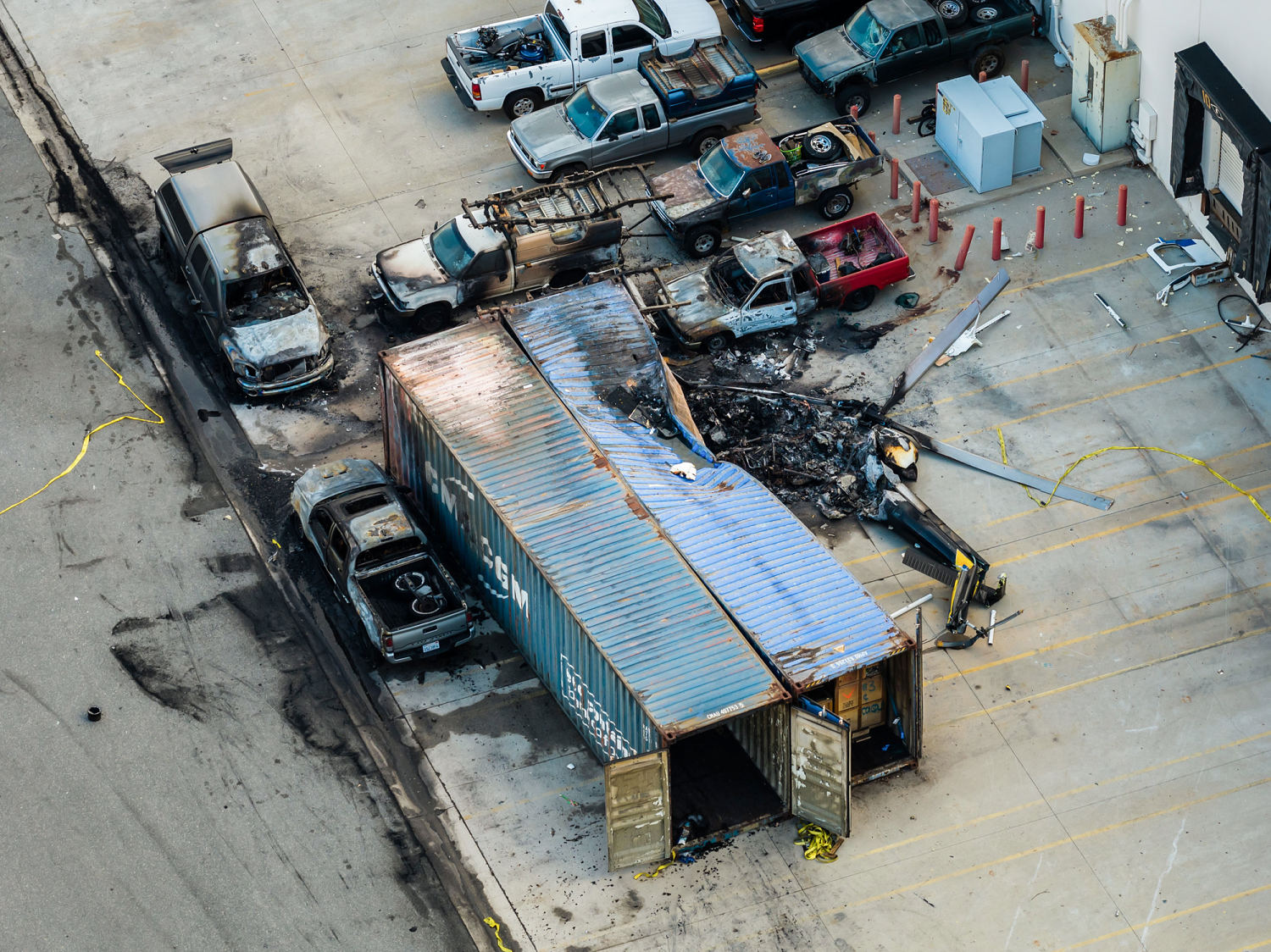
The collective mourning over local news helicopter crashes is a masterclass in performative nostalgia. When tragedy strikes the airwaves, the industry rushes to publish tear-soaked tributes about a tight-knit community shattered by loss. News directors weep on camera. Pundits pontificate about the sacred bond of the newsroom.
It is all a convenient distraction from the real rot.
The local news community was not shattered by a sudden mechanical failure or an unpredictable gust of wind over Southern California. It was hollowed out over two decades by executives who traded journalistic grit for sensationalist aerial stunts. We are told to mourn the romantic era of news gathering while ignoring the fact that keeping multi-million-dollar choppers hovering over minor freeway fender-benders is an expensive addiction that starved actual investigative reporting of oxygen.
I spent fifteen years inside major market newsrooms. I watched budgets for deep, systemic local accountability reporting get slashed to zero while the corporate masters approved open-ended fuel invoices for two-hour broadcasts of high-speed car chases. The helicopter is not a symbol of journalistic dedication. It is a monument to lazy, adrenaline-addicted voyeurism.
The Economics Of The Skybox Addiction
Let us talk about the math that the romantic eulogies conveniently omit. Operating a news helicopter costs upwards of two million dollars a year per airframe when you factor in insurance, aviation fuel, specialized maintenance, pilots, and ENG camera operators.
In a media landscape bleeding ad revenue to digital platforms, how do local stations justify that burn rate? They do not justify it through public service. They justify it through ratings spikes generated by rubbernecking. When a pursuit happens, the producer yells for altitude, the assignment desk panics, and the audience gets a bird's-eye view of human misery stripped of all context, nuance, or local utility.
When an accident takes lives in this ecosystem, the knee-jerk reaction from the trade publications is to romanticize the hazards of the trade. They frame aerial reporters as frontline warriors defending democracy from three thousand feet. That framing is dangerous. It masks structural failure as noble sacrifice.
The Myth Of The Indispensable Eye In The Sky
The standard defense of local news aviation is speed and scale. How else, the defenders ask, can a station cover a massive brush fire or track a fleeing suspect across four counties?
The premise is flawed. Drones and robotic traffic monitoring networks have shattered the technological monopoly that manned helicopters once held. More importantly, ninety percent of what a news chopper films on a daily basis adds zero value to public safety or civic awareness. Staring at the bumper-to-bumper traffic on the Interstate 5 does not inform the electorate. It merely pacifies them with moving pictures while real estate developers gut zoning laws in the city council chambers two miles away.
We do not have a shortage of aerial cameras. We have a severe deficit of reporters willing to sit in boring municipal finance meetings for six hours to read through public works contracts.
The industry loves the drama of the sky because drama is cheap to broadcast and expensive to question. True local news requires shoe-leather reporting, document analysis, and institutional courage. None of those things require aviation fuel.
Trading Spectacle For Substance
If the recent tragedies in Los Angeles and elsewhere are going to mean anything beyond another somber montage at the next regional Emmy ceremony, the industry needs to undergo a brutal reckoning.
Stop buying airtime for tragedies that require three producers to coordinate a chase while local school districts cut art programs due to administrative bloat. Reallocate those millions of dollars from the aviation hangar to the county courthouse reporting pool. Hire investigative data specialists instead of contract pilots who specialize in swooping low over residential neighborhoods for dramatic B-roll.
The local news community is not fragile because of a crash. It is fragile because it abandoned its core mandate—holding power to account—in favor of high-altitude theater.
Until news executives stop mourning the loss of their favorite toys and start funding the actual work of journalism, every tear shed on air is just more wasted fuel.