When a worker gets dragged into the water and killed by a captive or semi-captive reptile at a wildlife park, the immediate media cycle follows a predictable script. Outrage flares. Safety audits get promised. Fingers point at zoo management or park protocols. Then, everyone goes home, and the baseline danger of living alongside apex predators in places like Papua New Guinea remains entirely unchanged.
Let's look past the shocking headlines of park attacks and examine the brutal reality of human-crocodile conflict, why these tragedies keep happening in facilities, and what actual risk mitigation looks like when you share space with creatures that haven't evolved past the dinosaur era.
The Illusion of Control in Wildlife Parks
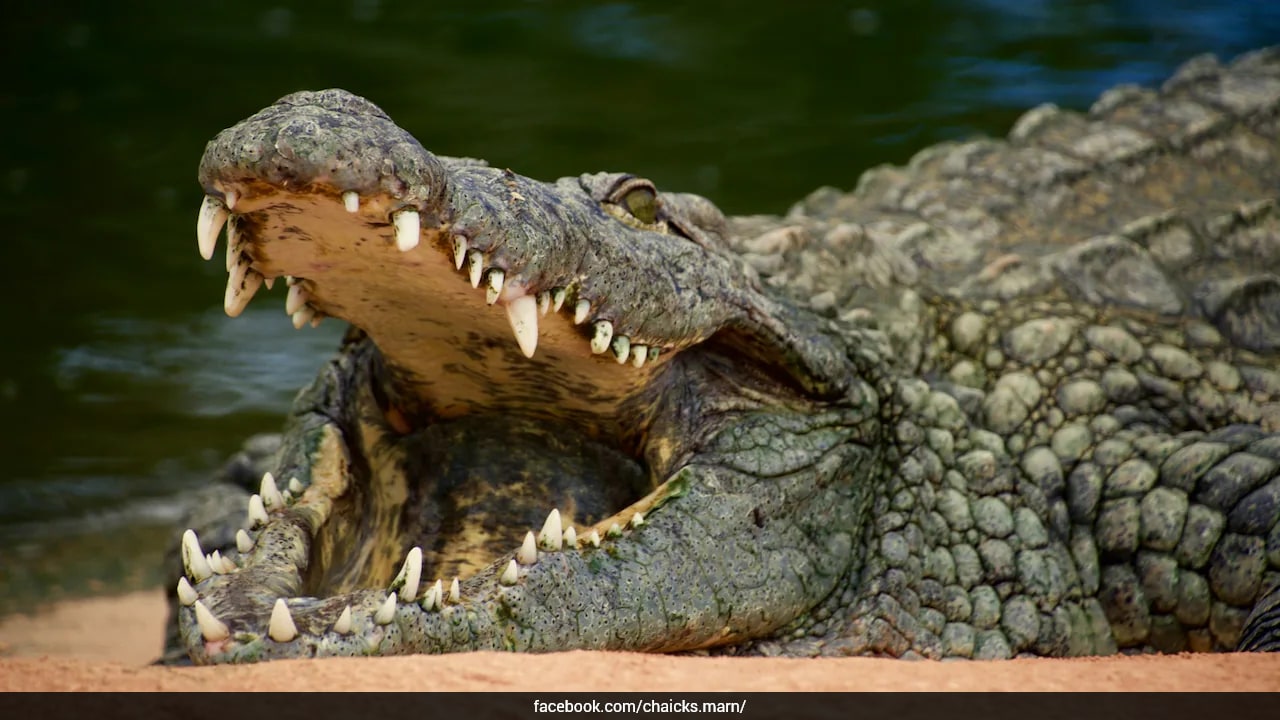
We build fences, dig concrete enclosures, and call them sanctuaries. But captivity doesn't strip a saltwater crocodile of its three-ton bite force or its ambush instincts.
When a worker enters an enclosure or works too close to a hazard zone, things can go wrong in fractions of a second. Crocodiles don't hunt out of malice. They operate on pure predatory physics. They wait, they watch, they grab, and they roll.
Most people don't realize how fast a massive reptile can explode out of still water. You can't outrun them over short distances near the bank. Parks often struggle with aging infrastructure, inconsistent maintenance budgets, and standard human error. When those three factors collide, tragedies happen.
Understanding the Real Biology of the Ambush
If you want to understand why these attacks are almost always fatal, you have to look at the mechanics. A large saltwater crocodile possesses sensory pits along its jaw that detect tiny pressure changes in the water.
You don't even need to make a splash. Walking near the water's edge sends vibrations through the ground that these animals feel instantly.
Once a crocodile secures a grip, it initiates the death roll. This isn't just for show. It's a biological saw designed to dismember prey without needing teeth built for chewing.
- Strike speed: Faster than the human eye can track at close range.
- Bite pressure: Exceeds thousands of pounds per square inch.
- Hypoxic tolerance: Can hold breath underwater for hours while subduing prey.
The Cultural and Environmental Context in Papua New Guinea
You can't talk about crocodile attacks in Papua New Guinea without acknowledging the deep cultural relationship locals have with these animals. In many river communities, crocodiles are respected, feared, and woven into local folklore.
At the same time, commercial parks, breeding facilities, and sanctuaries occupy a weird middle ground. They serve economic functions—sometimes tied to skin trade or tourism—while housing some of the largest, most dangerous reptiles on the planet.
When local staff take daily risks handling maintenance around enclosures, they often do so under heavy resource constraints. Safety gear might be outdated. Double-gate systems might lack proper automated locks. Relying purely on human vigilance around wild animals is a losing bet.
What Safety Protocols Actually Need to Change
If wildlife parks want to stop burying their workers, basic rule changes aren't enough. We need a complete overhaul of how high-risk enclosures are managed.
Implement Strict Two-Person Isolation Rules
Never allow a single worker near a high-risk pool or enclosure. Maintenance must require a spotter positioned behind physical barriers with a clear line of sight and deterrent tools ready.
Modernize Enclosure Design
Relying on simple dirt banks and low concrete walls invites disaster. Double-perimeter fencing with remote-operated gates keeps humans entirely separated from active feeding and resting zones.
Upgrade Training Standards
Workers need scenario-based crisis drills. Knowing theory doesn't save you when a five-meter reptile has you by the leg. Muscle memory for emergency releases and immediate alarm triggers must become second nature.
Stop treating these fatalities as isolated freak accidents. They are predictable outcomes of complacency, underfunded safety infrastructure, and the raw, unyielding nature of the world's most successful ambush predator. Fix the systems, or stop keeping them in poorly secured enclosures altogether.