Transport infrastructure safety is governed by the absolute management of kinetic transfer points where heavy rail stock intersects with rubber-tired road traffic. When a Northern train struck a van at the Martin Lane level crossing in Burscough, West Lancashire, resulting in a fatality and multiple minor passenger injuries, the event exposed the inherent mechanical asymmetry of mixed-transport corridors. Standard news reporting frames such incidents as isolated tragedies or sudden accidents, omitting the structural variables, human factor dependencies, and kinetic laws that dictate grade-crossing risk profiles. Deconstructing this event requires mapping the intersection of kinetic energy, infrastructure architecture, and situational failure points.
The Physics of Grade Crossing Asymmetry
At any intersection of a heavy rail vehicle and a road vehicle, the mass discrepancy creates an insurmountable safety margin deficit for the lighter object. A typical regional multiple-unit diesel or electric train weighs hundreds of tons and operates at high momentum, requiring significant braking distances measured in hundreds of meters. Conversely, a commercial van weighs between two and three.
When a road vehicle enters a conflict zone—whether due to sighting failure, signaling confusion, or mechanical obstruction—the train cannot execute evasive maneuvers or arrest its forward momentum instantaneously. The kinetic energy transfer equation dictates that the lighter vehicle absorbs the near-entirety of the deceleration force.
- Mass disparity: Regional trains possess a momentum multiplier exceeding 50x to 100x compared to a fully laden utility van.
- Braking physics: Steel wheel on steel rail interfaces feature a lower coefficient of friction than rubber on asphalt, extending stopping distances exponentially under emergency braking applications.
- Sighting geometry: Approach angles, vegetation, and local topography frequently restrict horizontal and vertical sightlines for both drivers and train operators.
Infrastructure Typology and Point of Failure Risk
Level crossings represent the single greatest point of operational vulnerability on a closed rail network. Unlike grade-separated junctions where roads pass over or under the tracks via bridges or tunnels, at-grade crossings rely heavily on visual cues, active warnings, or mechanical barriers.
In semi-rural or rural environments like West Lancashire, crossings often feature varying degrees of automation. The core vulnerabilities across these installations break down into predictable operational failure modes:
- Operator-dependent warning systems: Crossings lacking full interlocking barriers depend on user vigilance, introducing human error variables such as distraction, fatigue, or misjudgment of closing speeds.
- Sighting time versus clearance time: The time required for a vehicle to clear the conflict zone safely depends on vehicle length, acceleration capacity, and the exact moment of entry relative to train detection circuits.
- Signal degradation or transit timing anomalies: Approaching trains traveling at varying timetabled speeds can alter warning window calculations for motorists accustomed to predictable rhythm.
Human Factors and Decision Architecture in Transit Intersections
Motorists navigating level crossings operate within a complex cognitive loop. The routine nature of most railway crossings breeds cognitive complacency. When thousands of transits occur without incident, the perceived risk baseline drops toward zero, altering driver attentiveness.
When variables change—such as low sunlight angles, acoustic masking inside a commercial cabin, or cargo shifting—the margin for error narrows. If a vehicle stalls within the crossing envelope, the decision window collapses from seconds to fractions of a second. The driver shifts from a standard navigation state to an emergency escape protocol, where panic and physical constraints frequently bottleneck rapid egress.
Network Propagation and Regional Transport Resiliency
An incident at a grade crossing triggers immediate network-wide ripple effects, exposing the fragility of regional rail corridors. The closure of lines between Wigan Wallgate and Southport, alongside suspended services toward Manchester, demonstrates how localized kinetic failures paralyze wider transit arteries.
Network operators face an immediate optimization problem following an intersection strike:
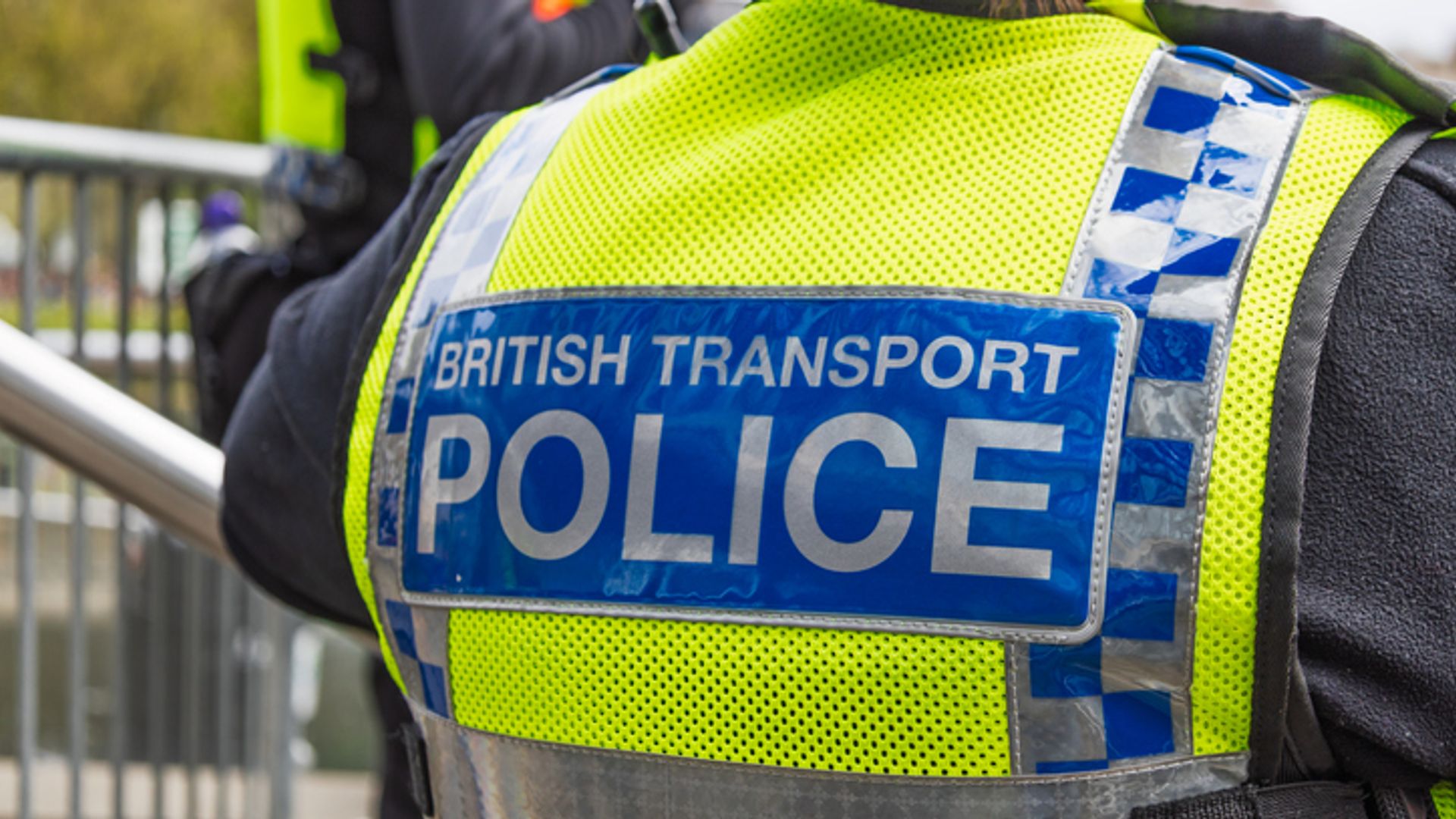
- Forensic preservation: British Transport Police must secure the site for evidence collection, keeping lines inactive regardless of passenger demand.
- Rolling stock clearance: Evacuating stranded passengers and clearing damaged infrastructure requires specialized heavy lifting equipment and coordination between rail engineers, paramedics, and fire services.
- Alternative routing constraints: Single-track or dual-track regional corridors often lack physical loops or bypasses, turning a localized blockage into a complete corridor severance until clearance protocols conclude.
Deploy real-time telemetry upgrades and automated obstacle detection sensors at high-risk rural grade crossings to override driver reliance and trigger automatic signal braking long before visual confirmation is possible.